
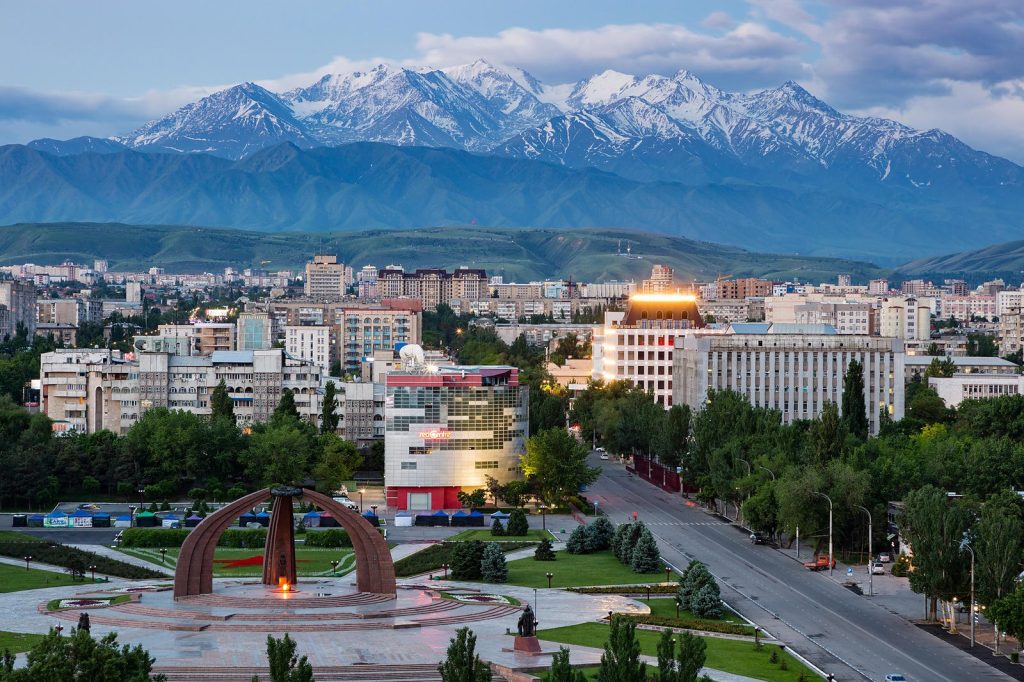
Kyrgyzstan was getting ready for its biggest week on the world stage. Leaders of the Shanghai Cooperation Organization’s ten member states were due in Bishkek on September 1 for the last summit of the country’s 2025-2026 chairmanship, with a Bishkek Declaration planned to mark the bloc’s 25th anniversary.
The guest list was long. Presidential spokesman Askat Alagozov said as many as 21 heads of state were expected in the country during the week. The meeting fell on Kyrgyzstan’s Independence Day and a day after the World Nomad Games opened on August 31. President Sadyr Japarov was to host Belarus, China, India, Iran, Kazakhstan, Pakistan, Russia, Tajikistan and Uzbekistan, and Chinese President Xi Jinping planned a state visit alongside.
The timing suited Japarov. Kyrgyzstan had been elected to the UN Security Council for 2027-2028 less than three months earlier, its first term on the body.
The text was mostly settled
Foreign ministers met in Cholpon Ata on July 24 and approved the draft declaration and related documents as the basis for the summit. Much of the language was therefore negotiated before the leaders arrived, though the final package could still change. The ministers backed a multipolar world order, rejected unilateral sanctions and called for more trade inside the bloc. They also said Central Asia is the organization’s core. Their statement condemned military strikes on Iran and called for a political settlement.
Money was on the agenda too. Interested members agreed in Tianjin last year to set up an SCO Development Bank, which is not yet operational. Delegates discussed its key elements in Shenzhen in June. A timetable or capital commitments announced in Bishkek would move it past the design stage.
Differences at the table
The bloc has two observer states and 15 dialogue partners, and SCO Plus lets selected ones join the wider talks. That widens the reach of the summit and exposes the splits. India and Pakistan were to sit at the same table with no bilateral meeting announced. Iran’s President Masoud Pezeshkian was arriving while the conflict involving his country and disruption around the Strait of Hormuz kept weighing on energy markets and regional trade.
Shared wording on Iran did not mean shared interests, the Times of Central Asia noted. The declaration would show what members can agree to say, not necessarily what they will do.
The more durable results may come from side meetings. Xi’s visit was expected to include talks on the $4.7 billion China-Kyrgyzstan-Uzbekistan railway, now under construction after decades of discussion.




