
Alireza Tangsiri ran Iran’s Revolutionary Guard Navy for nearly eight years. Iran confirmed on March 30, 2026, that Israeli forces had killed him, and the Guards said he died of severe injuries from an attack the week before.
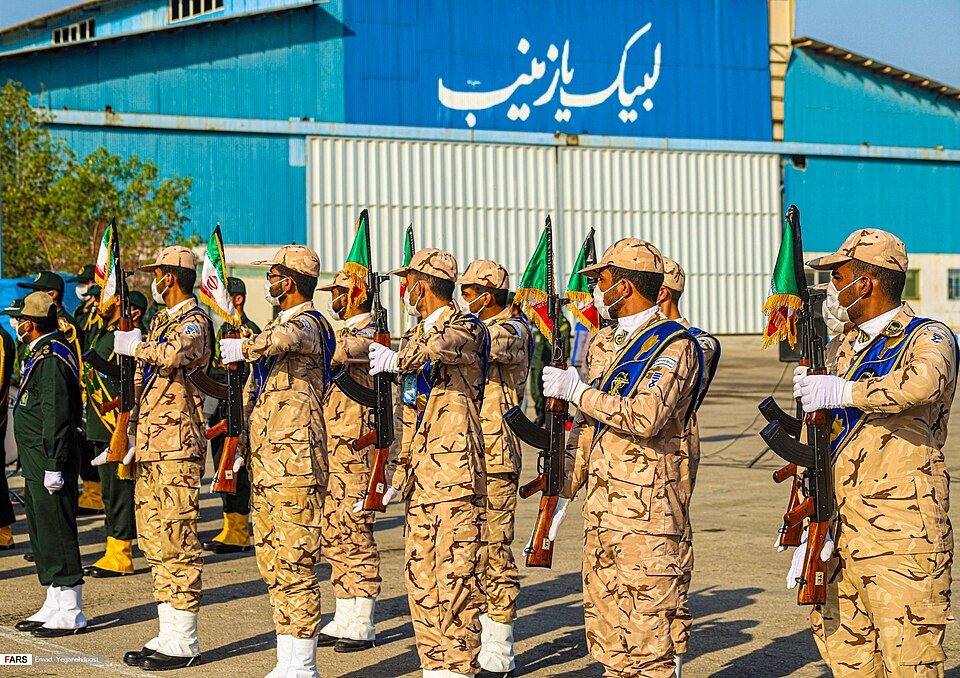
His death put a spotlight on a force most people confuse with Iran’s regular navy. They are separate. The Council on Foreign Relations puts the regular navy at some twenty thousand sailors, and the Guards run their own naval branch alongside it. Think of it like a second team in different jerseys, with its own chain of command.
Where it came from
Iran’s clerical leaders created the Revolutionary Guard right after the Shah fell in 1979. They built it “outside” the traditional armed services, which they distrusted, as a counterweight to them. It was meant to protect the revolutionary regime and answer to the supreme leader.
The practical upshot is a force with its own loyalties. Its naval branch patrols Iran’s maritime borders, including the Strait of Hormuz, where about one-third of the world’s seaborne crude oil passes each year, according to the council.
The commander
Khamenei appointed Tangsiri in 2018. A veteran of the Iran-Iraq War, he became one of the Guards’ longest-tenured and most visible senior figures. Under him, the navy grew considerably and claimed credit for capturing numerous foreign vessels. Washington put him under a counter-terrorism-related sanction in 2019.
Israeli Defence Minister Israel Katz named him as the “man who was directly responsible for the terrorist operation of mining and blocking the Strait of Hormuz.” Earlier in March, Tangsiri himself had vowed to “deliver the harshest blows to the aggressor enemy while maintaining the strategy of closing the Strait of Hormuz.” The Guards said he was organizing coastal defenses when he was killed. Ali Khamenei, the supreme leader who appointed him, had died on February 28, the first day of the war.
Iran has kept up a de facto blockade of the strait since the war began, and global energy prices have climbed.
More than a navy
The Guards are also an economic power. Analysts told the council that the IRGC “has become the most powerful controller of all important economic sectors across Iran,” with a hand in banking, shipping, manufacturing and consumer imports.
Sources
- Iran Confirms Killing of Revolutionary Guards Navy Commander
- The Islamic Revolutionary Guard Corps (IRGC)




