
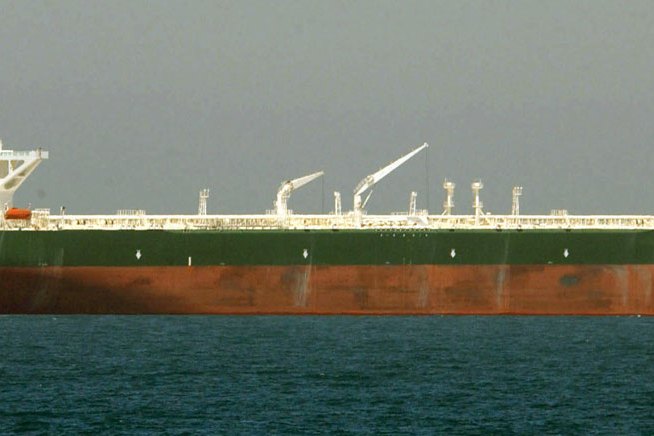
The verified development first. On Sunday, July 12, Iran’s Revolutionary Guards announced an indefinite closure of the Strait of Hormuz, turning a long-threatened measure into declared policy with no end date. The Guards’ naval arm, according to Iranian media reports that day, said a vessel attempting to sail the strait along an unapproved route had been fired on in warning and intercepted, and that in light of the incident the waterway would stay shut until Washington stops interfering in the region. State news agency IRNA carried the announcement.
According to the statement, the ship had brushed aside repeated instructions to move to an approved corridor before it was stopped. “The vessel was hit by warning shots and stopped after failing to comply with repeated directives”, the Guards said, and the message on traffic was flat: “No vessels will be allowed to pass through”. The closure itself was given two conditions and no calendar: the strait remains closed “until further notice” and until what the force described as “the end of American interventions in this region”.
The statement also carried a warning beyond the waterway. Iran would aim at “new enemy bases in the region” if more military action were taken against the country, the Guards said, a formulation that points the closure at the wider confrontation rather than at shipping rules alone.
The record shows the step did not come from calm water. Reporting by Axios and Politico, cited in the coverage, said Washington had set Tehran a deadline of Saturday to halt fire on commercial shipping in the strait and to acknowledge formally that the international waterway remained open. Iran had already closed the strait to commerce once during the recent war it fought with the United States and Israel, a stretch that sent global oil prices sharply higher and disrupted maritime trade across the Gulf; officials in Tehran have said there can be no return to the “pre-war arrangement of unrestricted navigation” and have floated charging transit fees for ships using the route.
The disagreement underneath is structural, and both sides have stated it plainly. Tehran claims authority to regulate traffic through the waterway; Washington answers that under customary international law states cannot impose tolls or restrict passage in international straits, and that commercial traffic must keep “unrestricted passage”. The closure announcement lands squarely on that fault line, and officials confirmed it complicates efforts to revive diplomatic negotiations between the two countries after their recent military exchanges.
What is at stake is not difficult to size. The strait is regarded as one of the world’s most important maritime chokepoints, with “one-fifth of global oil and liquefied natural gas exports” moving through the narrow waterway; any disruption is expected to put renewed pressure on oil prices and freight costs and to ripple through energy markets far beyond the Gulf. Whether this closure holds, and what Washington does now that its Saturday deadline has run past, are the two questions the coming days will answer.
Sources
- Iran Closes Strait of Hormuz Indefinitely After Intercepting Unauthorized Vessel – Shanghai Metals Market (SMM)
- Iran closes Strait of Hormuz indefinitely after warning shots at vessel – Tribune Online




