
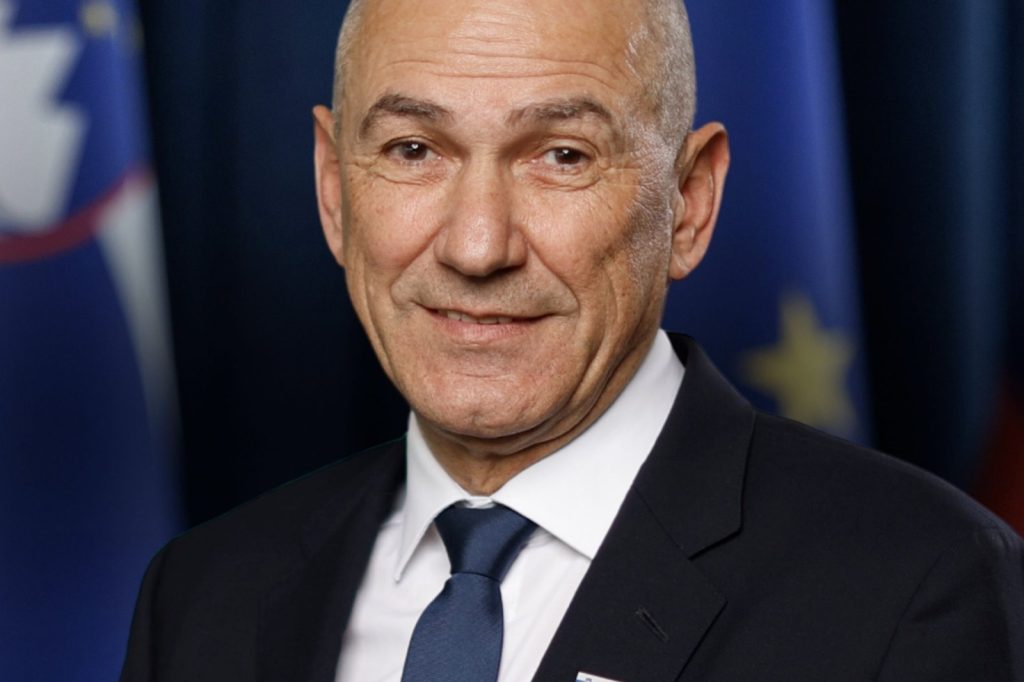
“The development and prosperity of Slovenia are the main priorities of this coalition,” Janez Janša told parliament as he asked for its vote. Lawmakers gave it: 51 in favor, 36 against. Slovenia has a prime minister again, and for the fourth time in its history it is Janša.
The vote ended two months of limbo after the March elections. Robert Golob, who took office in 2022 on a wave of protests, had said the month before that he could not put a government together. Janša moved fast. His Slovenian Democratic Party (SDS) struck a coalition deal with two center-right groups, the Christian-democratic New Slovenia and the Democrats of his former close ally Anže Logar. Together the three hold 43 seats.
How he got to 51
The rest came from Resni.ca, an anti-establishment party founded in 2021 by opponents of state measures against the Covid-19 pandemic. Five of its lawmakers backed him, which put him over the line. Resni.ca says it shares many points of the coalition program but will stay in opposition. The party’s leader, Zoran Stevanović, had already been elected speaker of parliament.
Janša rejects any suggestion of vote-buying. He told reporters it could be down to “some sort of inter-party-political manoeuvring,” or simply common sense.
The result has angered parts of the left and center. Commentators accuse Logar and Stevanović of misleading voters, since each had suggested they would never join a Janša government. Stevanović went further and signed a notarized statement during the campaign saying so.
What the coalition promises
Tax cuts top the program, along with a leaner state through decentralization and less bureaucracy. “We will ensure a cheaper state, but with better quality,” Janša said earlier this month. He has also pledged to restore “Slovenian values,” including the “traditional family,” and told parliament his government would push for “consistent control of legal migration and the prevention of illegal migration at the EU’s external borders.”
Under the rules of the National Assembly, Janša has 15 days to give parliament his list of ministerial candidates. An amendment to the Government Act, backed in late April, sets the cabinet at 14 ministries. He is expected to take office in June, once lawmakers approve his ministers. He told parliament that talks on filling posts would open on May 25.
Doubts about stability
Political analyst Aljaž Bitenc Pengov told AFP the government is on shaky ground. “They will not be stable in terms of their parliamentary majority, and they will also not be stable internally, mainly because of Resni.ca and Logar,” he said.
Opinion on Janša has always run to extremes in Slovenia. Born in 1958, he led his party to defeat in the spring 2022 elections, which followed mass protests against his government, and many assumed he would not return. The incoming government will face fierce opposition from other parties, labor unions and NGOs.
Commentary elsewhere in Europe is wary too. One op-ed in The Parliament Magazine argued that a Janša-led Slovenia could become a less predictable partner at the European Council table, particularly on issues where unanimity gives members a chance to block common action. It pointed to the expected appointment of Tone Kajzer as foreign minister, a career diplomat and SDS member who was dismissed as ambassador to the U.S. in 2022 after a breach of the diplomatic dispatch system’s confidentiality.
Sources
- The fourth government of Janez Janša is becoming a reality in Slovenia
- Op-ed: Slovenia's new right-wing government could pose a challenge for Brussels
- Janez Janša returns to power in Slovenia




