
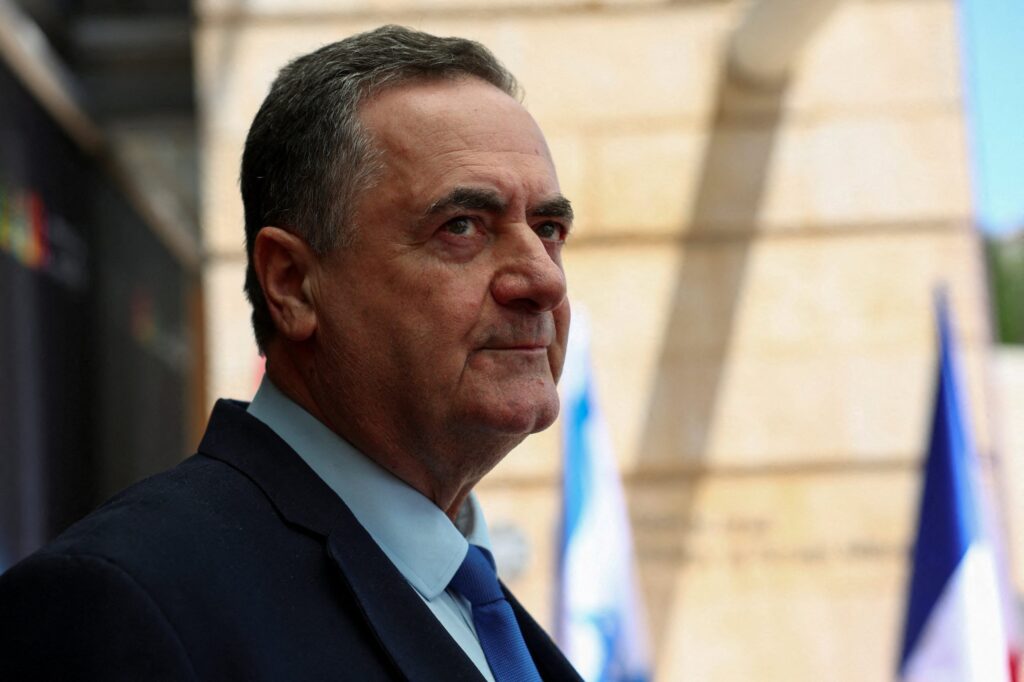
“Muzzle its pets in Tel Aviv.” Iranian Foreign Minister Abbas Araghchi aimed that line at Washington after Israeli Defense Minister Israel Katz described Iran’s supreme leader as effectively “marked for death,” the National Security Journal reported.
The exchange landed on the day indirect US-Iran talks opened in Doha.
Katz did not stop at the threat. He said Israel will keep Iran from obtaining nuclear weapons, a position it has held for years. If Iran attacks again, he said, Israel will respond whether or not the United States takes part. Israeli forces are on alert with target sets ready, and another war is still possible.
Araghchi answered in public and pointed to the US-Iran Memorandum of Understanding. In his telling, Washington had committed itself to restraining Israeli escalation. Any threat against Iranian leadership, he warned, would draw an immediate response.
Talks go on in Doha
Technical working groups have already met there. Qatar is mediating and Pakistan is involved. US envoys helped prepare the sessions but reportedly did not sit in the technical meetings themselves.
Reuters reported that the agenda covers frozen Iranian assets, arrangements for the Strait of Hormuz, putting the interim framework into practice, setting up working groups, and groundwork for broader negotiations later. None of that amounts to a final peace agreement.
Three sets of priorities
The National Security Journal analysis, written by Harrison Kass, argued that threatening a supreme leader is a different kind of act from threatening military infrastructure. Iran replied openly, he wrote, to protect the credibility of its deterrence. Araghchi was speaking to domestic, Israeli, American and regional audiences at once.
Each side wants something different from the process. Washington is trying to avoid a renewed regional war and keep maritime security stable. Israel wants to stop Iran’s military from recovering over the long term and keep its freedom to act. Iran is after sanctions relief, a better economy and intact deterrence, and does not want to look weak at home. Kass wrote that some of these goals overlap and many do not.
He did not predict a collapse of the talks. The Katz-Araghchi exchange, in his reading, shows how fragile implementation is, and public threats raise the odds of a miscalculation.
The threat also reached the Supreme Leader’s own circle. On July 3, the Hindustan Times reported that a senior representative of Iran’s Supreme Leader in India said security concerns may keep Mojtaba Khamenei from appearing in public during the funeral ceremonies for his father, Ali Khamenei.
Sources
- Iran Just Told America to “Muzzle Its Pets in Tel Aviv” After Israel Declared Its Supreme Leader Was “Marked for Death”
- Mojtaba to skip father's funeral: Iran foils Israel's plans to assassinate new Supreme Leader?




