
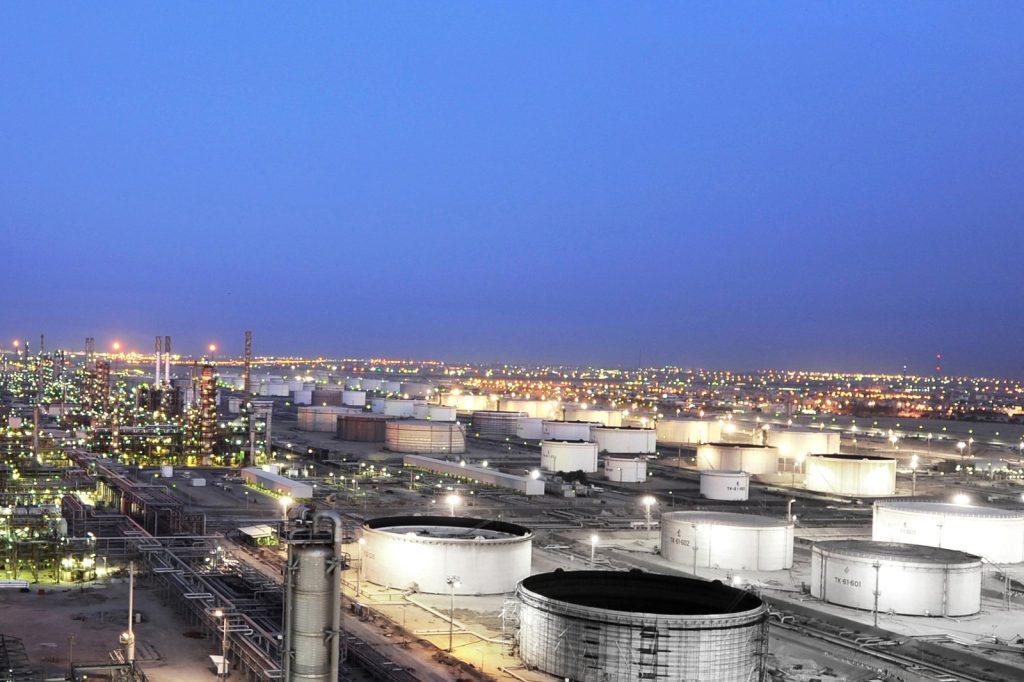
On April 8, 2026, Kuwait’s interior ministry confirmed that fires had broken out across multiple oil facilities, power plants, and desalination plants. The blazes were attributed to an attack by Iranian drones, according to official reports.
The incident has intensified concerns regarding regional stability and the possibility of further escalation. Kuwait, a small city-state with a population of 4.82 million, occupies a strategic position at the head of the Persian Gulf. It shares borders with Iraq to the north and Saudi Arabia to the south, and its proximity to Iran—separated only by a narrow stretch of Iraqi coastline—renders it susceptible to such strikes. Kuwaiti authorities indicated that the drone assault targeted vital infrastructure, including energy and water treatment facilities.
Disruptions to these sites could carry serious consequences for the nation’s economic stability and energy security. The United States Secretary of State issued a condemnation of the attack, stating the U.S. “strongly condemns” the Iranian drone strike on Kuwait.
He underscored the necessity of maintaining regional stability and called on Iran to respect the sovereignty of neighboring states. The U.S. maintains a longstanding security partnership with Kuwait, and both nations have collaborated closely on defense matters. This event is not an isolated occurrence but fits a broader pattern of Iranian activities in the region.
In recent years, Iran has been accused of orchestrating similar attacks on Saudi Arabian oil infrastructure and tankers operating in the Persian Gulf. The U.S., alongside allies including NATO, AUKUS, and Quad nations, has been engaged in efforts to counter such aggression and promote regional security.
Australian Prime Minister Anthony Albanese and UK Prime Minister Rishi Sunak also condemned the attack, calling for Iran to end its hostile actions. Kuwait’s geography, featuring a 500-kilometer coastline, positions it as a key hub for trade and energy exports. Its oil and power infrastructure are central to the national economy, and any disruption poses significant risks.
U.S. Secretary of Defense Lloyd Austin pledged continued support, stating the U.S. will “continue to work closely with our Kuwaiti partners to enhance their defense capabilities.” The American military maintains a substantial presence in Kuwait, with thousands of personnel stationed at various bases across the country. Iranian Foreign Minister Hossein Amirabdollahian has so far declined to comment on the incident, leaving questions about Tehran’s intentions unanswered.
U.S. Ambassador to Kuwait, Alina Romanowski, has been in regular contact with Kuwaiti officials, offering assistance following the attack. The U.S. Embassy in Kuwait released a statement condemning the strike and urging American citizens in the country to exercise caution and remain informed about local developments. The international community continues to monitor the situation closely.
The strike on Kuwait underscores ongoing risks to regional security and the global economy, highlighting the need for sustained cooperation among the U.S. and its allies to address Iranian aggression and protect critical infrastructure in the region.




