
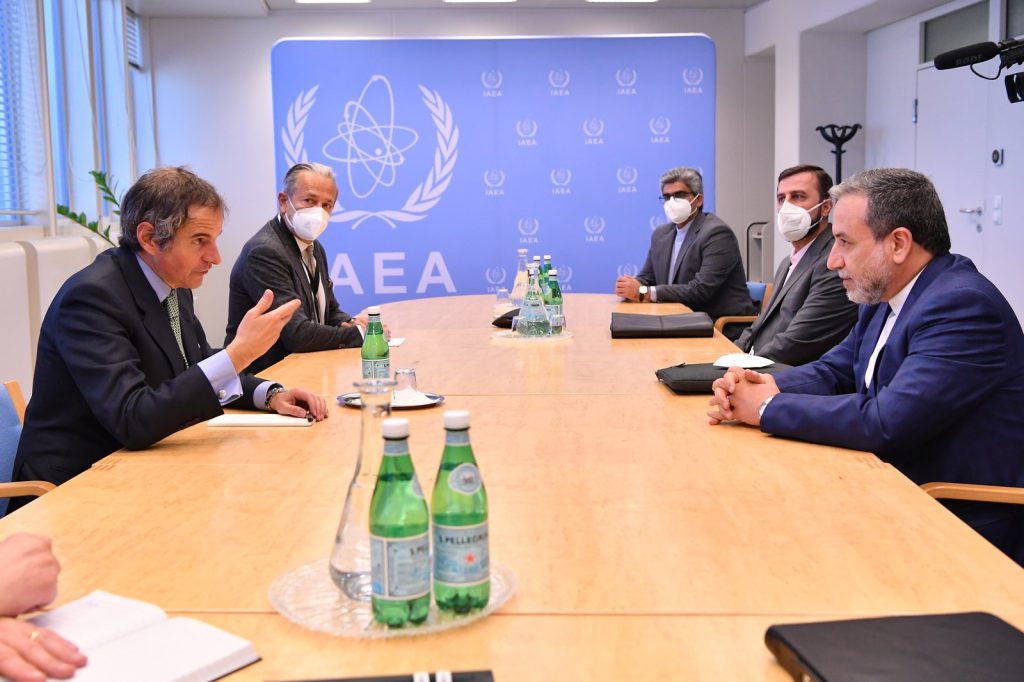
The day before Donald Trump called time on the ceasefire, Iran’s foreign minister posted a warning on X. Abbas Araghchi pointed at one clause of the memorandum of understanding that Tehran and Washington had signed only weeks earlier. “Para 13 of the MoU is clear: Negotiations on final Deal will not commence if threats continue,” he wrote. “Honor your signature.”
It did not work. On Wednesday, speaking at a NATO summit in Ankara, Trump told reporters he considered the arrangement finished. “As far as I’m concerned, it’s over,” he said. He called the Iranians “liars” and “cheats”, and added that dealing with them was “just a waste of time”. Yet he did not close the door entirely. He would keep consulting Steve Witkoff and Jared Kushner, who run the talks, he said, though he admitted he did not like it.
How the truce came apart
The trigger was the Strait of Hormuz. After attacks on tankers there, US forces hit Iranian vessels in the Gulf. Washington also pulled a licence that had let Iran sell its oil, a central piece of the memorandum Trump and President Masoud Pezeshkian had signed three weeks before.
Iran retaliated with a barrage of missiles and drones aimed at Gulf states. Kuwait counted 13 drones and two ballistic missiles coming its way that morning, according to its official news agency. Nobody was hurt, and the only damage reported was to some downed powerlines. Bahrain was targeted as well.
Trump framed the sequence as a betrayal. Iran was in the middle of a week-long funeral procession for Supreme Leader Ali Khamenei, which had already paused technical talks on a lasting peace deal. “We said, ‘Go and do your funeral stuff,’ and instead of that they started shooting rockets at ships yesterday,” he said. He warned that the US would probably carry out more strikes that night: “we’re going to hit them hard.”
A foreign minister in the middle
Araghchi spent that Tuesday on a different message. Millions of Iranians had turned out to honour Khamenei, he said, and neither the crowds nor the armed forces were moved by threats. The condition he set for a final deal was simple, and it rested on the document both sides had put their names to: end the threats first, then talk.
The two governments remain far apart on sanctions relief, verification, security guarantees and the order in which each side should deliver on its promises, according to Khaama Press. Both say they prefer diplomacy. Neither has found a way to make it happen while ships are being hit.
Outside capitals reacted quickly. Oman, which sits across the strait from Iran, said the escalation threatened navigation and energy supplies and urged all sides to implement the signed understandings. Kaja Kallas, who speaks for the EU on foreign policy, said the exchanges of fire made already difficult talks harder, and called the Iranian strikes on Bahrain and Kuwait unacceptable.
Markets did not wait for the diplomats. Brent crude rose 6 per cent, close to $US79 a barrel, and Germany’s DAX fell by more than 2 per cent at the open.
Sources
- Trump says US-Iran ceasefire over, warning 'we're going to hit them hard'
- Araghchi says US-Iran talks will not start if Washington threats continue
- Iran's Araghchi Says Nuclear Talks Won't Begin Until Threats End




