
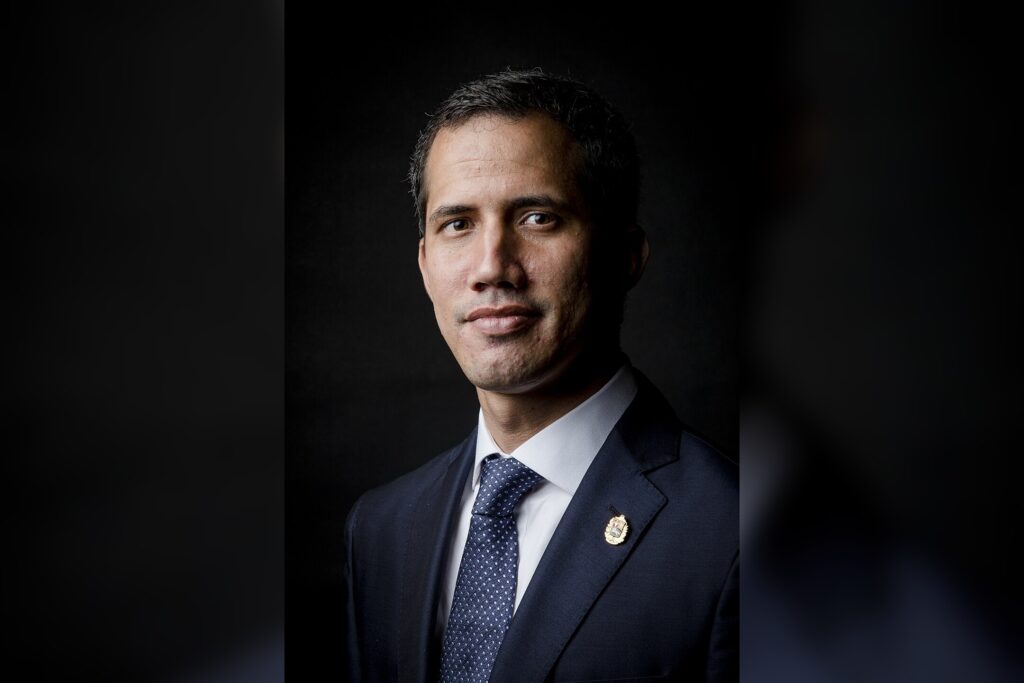
Juan Guaidó’s approval rating stood at 61.2% in February 2019. By November 2022 it was 15.5%. A month later Venezuela’s opposition lawmakers voted to scrap the interim government he had led for four years.
The first vote came on Thursday, December 22, 2022. The opposition-led National Assembly backed ending the structure 72-24, with nine abstentions. A second, definitive ballot was set for December 29, and a loss there would end Guaidó’s term on January 5, 2023. According to The Peninsula, the measure passed on a Friday with 72 votes in favor, 29 opposed and eight abstentions.
How he got there
Guaidó became the opposition’s figurehead in January 2019, when he declared himself the country’s legitimate leader after Nicolás Maduro’s disputed 2018 reelection. More than 50 countries, the United States among them, recognized him. The Trump administration led the push to squeeze Maduro.
It never translated into power. Stars and Stripes reported that Guaidó never exercised real governmental authority inside Venezuela, and that backers drifted away. Several European nations withdrew recognition. Newly elected leftist leaders in Latin America restored ties with Maduro, and the region’s politics shifted further with recent elections in Brazil, Colombia and Argentina.
Why lawmakers pulled the plug
Three of the four major opposition parties said the interim government “is no longer useful and is of no interest to citizens.” Lawmaker Nora Bracho put it more gently: “Juan Guaidó has made a great effort but he must be aware that it has not been enough.”
Guaidó fought it. He urged colleagues to “defend” the institution rather than “destroy” it, and insisted his mandate should last until new presidential elections, then expected in 2024. His allies called the plan overreach. Sergio Garrido described it as “nothing less than a parliamentary coup.” After the first vote Guaidó said: “Maduro is the only one winning today by dividing the opposition.”
The replacement was modest. Only the opposition-controlled National Assembly, elected in 2015 and largely ceremonial since Maduro’s side set up a rival legislature, would keep nominal rule through a legislative committee. A five-member council would manage and protect opposition assets abroad, including Citgo Petroleum Corporation and gold reserves at the Bank of England.
Washington’s position
On the day of the first vote, a State Department spokesperson said the United States recognized Guaidó as interim president and would not speculate on what came next. The Biden administration, according to The Peninsula, kept backing Venezuela’s democratic opposition while easing oil sanctions slightly as a reward for Maduro’s willingness to resume talks with opposition figures.
Maduro stayed in control throughout.
Sources
- Venezuela Lawmakers Vote to Remove Guaidó as Head of Opposition (Stars and Stripes)
- Venezuelan opposition dissolves Guaidó's 'interim government' (The Peninsula Qatar)




