
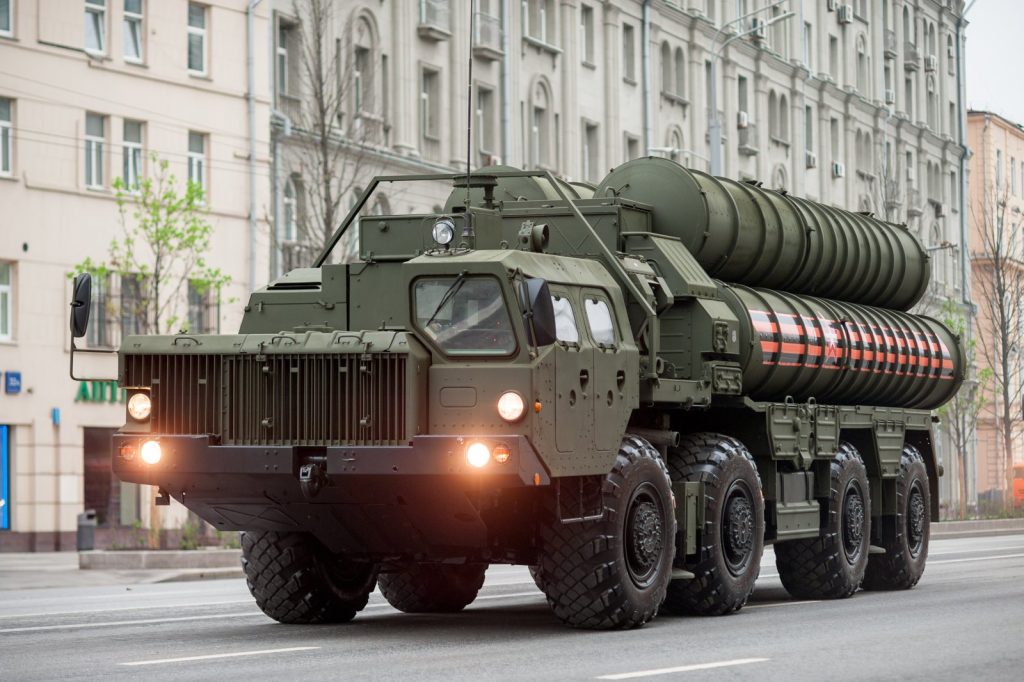
Ukrainian drones hit locations across Moscow on June 18, in what DW described as the largest attack since the start of Russia’s full-scale invasion. A major oil refinery in the capital, which supplies 40% of the region’s fuel, caught fire, and production appeared to stop for several days. Russia’s largest airport evacuated people.
Footage of apparent failed interceptions spread quickly on social media. Whether it points to a real hole in Russia’s defenses is disputed among analysts.
Two readings of the same night
Ruslan Leviev, a Russian dissident and founder of the investigative group Conflict Intelligence Team, told DW that his team recorded no weakening of the defenses. By its count, Russia downed more than 90% of the drones over Moscow. The few that got through still did substantial damage.
The impression of failure, he said, “forms among non-specialists, who see a missile fly past a drone without hitting it.” In his view the core issue is quantity. Mass drone attacks demand more hardware than any industry can supply, and that holds for Russia and Ukraine alike.
Anatoliy Khrapchynskyi, a Ukrainian aviation expert and former air force officer, sees two causes behind the breach: a systemic degradation of Russia’s defense architecture and the technological evolution of Ukraine’s strike capabilities. He said Kyiv’s long-range drones have improved significantly at plotting complex flight paths around likely interception zones.
He also pointed to design. Systems such as the Pantsir-S1 were built to counter large attackers like cruise missiles and were calibrated against metal, highly radar-reflective targets. Modern drones are often made of plastic or plywood, which leaves those systems basically “blind” to small ones.
Geography and redeployment
Leviev said the sheer size of Russian territory makes an unbroken “air wall” or a single “dome” impossible. Moscow is an easier target still because of its density: the more high-rises, the easier it is for drones to hide behind buildings from radar.
Russia has also moved some air defense systems to the occupied parts of Ukraine. Experts say the best defenses are layered, with different interceptors covering various altitudes and speeds. Khrapchynskyi said the redeployment broke up a once layered system into more of a patchwork.
CBS cited Ukrainian sources who say Russia may be running short of S-300 systems, with sanctions thought to have hindered replacement components. Khrapchynskyi ties the shortage to Russia repurposing its S-300s for surface-to-surface strikes on Ukraine. “Russia has fallen into the trap of the very ‘math of war’ it once tried to impose,” he said: by trying to overwhelm Ukrainian air defenses, it drained its own stockpile of interceptor missiles.
The Kremlin’s response
Russian officials seemed more rattled by how well the attack was documented than by the attack itself. Kremlin spokesperson Dmitry Peskov said Russian air defense had performed appropriately. “The footage is impressive, showing the results of strikes by our armed forces. These strikes will continue,” he said, urging people to focus on Russian strikes on Ukraine.
Leviev called the June 18 strikes militarily minor. He believes such attacks work more as “political strikes” meant to unsettle public opinion, particularly ahead of elections for the State Duma this September.
The pressure on Ukraine’s side
Ukraine faces its own problem. BBC Verify analysis of Ukrainian Air Force data found Russia fired its new jet-powered Geran drones every day throughout August, the first time daily use was recorded. Ukraine’s military told the BBC that jet-drone attacks grew from 350 in June to 1,600 in July and 2,800 in August.
The upgraded drones can cruise at more than 300mph, beyond the top speed of Kyiv’s interceptors. Earlier this year Ukraine was intercepting 94% of long-range drones, according to Zelensky. On 10 August, Maj Gen Vadym Skibitskyi, deputy head of Ukrainian military intelligence, said his forces needed new interceptor missiles “capable of matching [jet-drones’] speed.”
Satellite images appear to show a new base at Tsymbulova in the Oryol region, around 109 miles (175 km) from the Ukrainian border, built with longer launch rails for the jet-powered models. In August, Kyiv mostly stopped publishing the figures that would show its interception rate.
Sources
- Are Ukraine drones really exposing gaps in Russia's defense?
- Russia's new jet-powered drones outpacing Ukraine's air defences with daily launches




