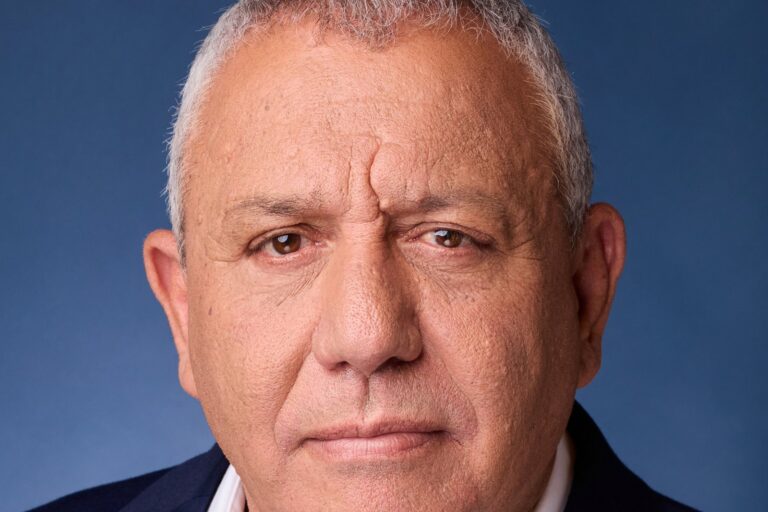
BERLIN, August 5 — The German Federal Prosecutor’s Office (Generalbundesanwalt) has significantly escalated its investigation into the foiled assassination plot against Armin Papperger, formally classifying the attempt as state-sponsored terrorism. This move, rooted in Section 129a of the German Criminal Code (StGB), dissects the legal mechanisms at play and signals a profound diplomatic challenge. The mechanics here are precise.
Section 129a criminalizes the formation of or participation in a terrorist organization, carrying penalties that can extend up to a decade in prison. Beyond this, the prosecution is also considering charges under Section 211 for murder and Section 30 for the preparation of a serious violent offense, underscoring the gravity of the alleged plot.
A 47-year-old Russian national, arrested on April 28, 2024, in Frankfurt, remains in investigative custody at the Justizvollzugsanstalt Moabit in Berlin, the focal point of these proceedings.
International Law Invoked
Chancellor Olaf Scholz’s condemnation on May 1, 2024, was swift and pointed, labeling the plot a ‘flagrant breach of international law.’ On closer reading, his invocation of Article 2(4) of the United Nations Charter, which explicitly prohibits the threat or use of force against the territorial integrity or political independence of any state, lays bare the German government’s interpretation of the incident. This is not merely a domestic criminal matter; it is framed as an assault on state sovereignty.
The German government has also invoked the 1997 European Convention on the Suppression of Terrorism, a pact obligating signatories to either prosecute or extradite individuals involved in terrorist acts. The catch here is the international commitment to accountability, even as geopolitical tensions persist.
Russia’s Embassy in Berlin, predictably, denied any involvement. But the diplomatic response from Berlin was immediate and firm. German Foreign Minister Annalena Baerbock summoned the Russian ambassador on May 2, 2024, to formally protest what Germany views as a clear violation of its sovereignty.
This exchange highlights the chasm between official denials and the tangible actions taken by a sovereign state to protect its interests.
The Shadowy Undercurrent of Espionage
The implications extend beyond legal proceedings and formal protests. The case has prompted calls from German lawmakers to expel Russian intelligence operatives believed to be operating under diplomatic cover. The BND, Germany’s foreign intelligence service, estimates that at least 20 GRU officers are currently embedded in Germany under such pretenses.
This points to a deeper, more pervasive challenge to national security, where the lines between diplomacy and espionage blur, raising questions about the true cost of maintaining diplomatic relations. The ongoing investigation, coupled with the diplomatic fallout, sets the stage for a protracted period of tension.
The legal process against the arrested suspect will undoubtedly be scrutinized, as will any further actions taken by German authorities regarding the estimated presence of foreign intelligence operatives. The mechanics here suggest a long game, where legal precision meets geopolitical strategy, with Germany firmly asserting its sovereign rights.