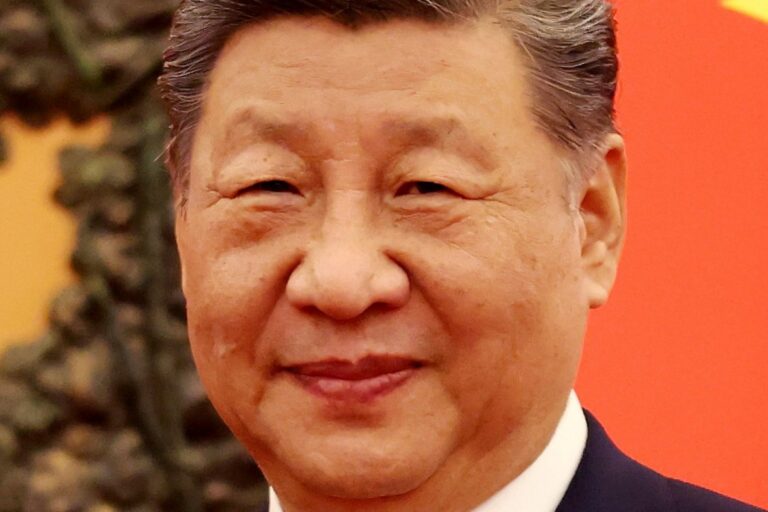
SHENZHEN, November 19, 2026 — The Asia-Pacific Economic Cooperation summit opened in Shenzhen with Chinese President Xi Jinping urging unity on open trade and technology, but the forum’s economic agenda has been eclipsed by an unprecedented trilateral meeting between Xi, U.S. President Donald Trump and Russian President Vladimir Putin. The three leaders gathered on the summit sidelines to discuss nuclear arms, the war in Ukraine and Middle East conflicts, leaving the trade-focused gathering to serve as a backdrop for great-power diplomacy.
Trade Forum Confronts Geopolitical Reality
APEC was created in 1989 to promote free trade among 21 Pacific-rim economies, responding to the growing interdependence of the region and the advent of trade blocs elsewhere, according to the forum’s history. The annual leaders’ meeting rotates among member economies and traditionally features bilateral talks, a gala dinner and a group photo in which leaders don attire reflecting the host culture. This year’s host, Shenzhen, is China’s high-technology showcase, and Xi used the opening session to cast the grouping as “passengers riding the same boat” who must strengthen the bonds of shared interest.
Yet the summit’s original mission — the slow, incremental progress toward a free trade zone around the Pacific — has been overtaken by the urgency of security crises. The trilateral meeting marks the first time the leaders of China, the United States and Russia have sat down together in this format. Putin, attending his first APEC summit in nine years, echoed Xi’s call for unity and a constructive agenda, while Trump highlighted U.S. economic gains and vowed to oppose what he called “globalist” efforts to regulate artificial intelligence.
History and Structure of the Forum
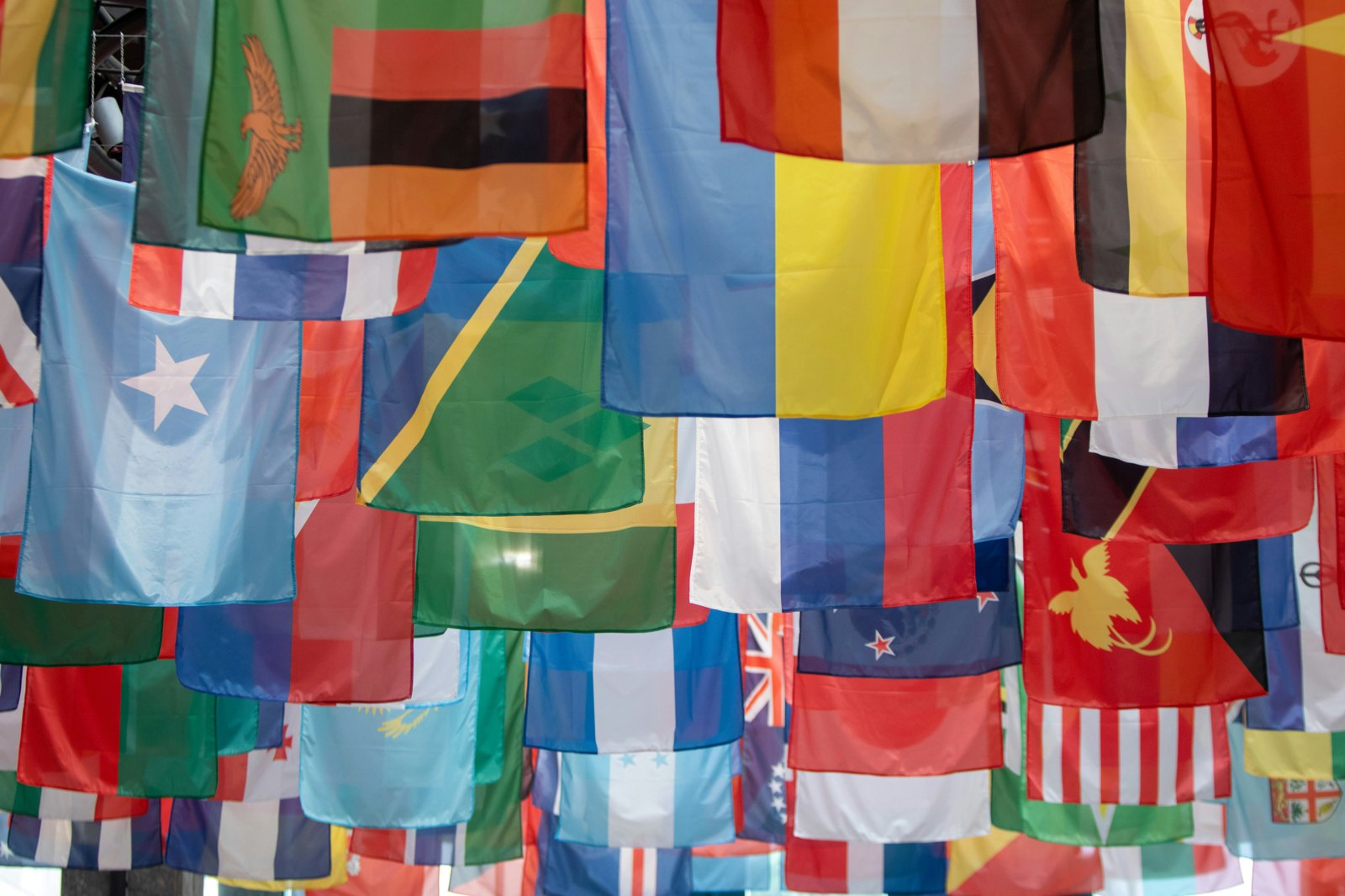
The forum began with 12 members in Canberra and has expanded to 21 economies, accounting for over 60 percent of global GDP and roughly half of global trade in goods, according to figures cited by Putin at the CEO summit. APEC operates by consensus and has three official observers: the ASEAN Secretariat, the Pacific Economic Cooperation Council and the Pacific Islands Forum Secretariat. The host economy gains a seat at G20 meetings, underscoring the forum’s diplomatic weight beyond its trade mandate. Taiwan participates at a ministerial level under the name Chinese Taipei.
Trilateral Dynamics and Domestic Constraints
The Xi-Trump-Putin meeting is expected to focus on nuclear arms control, the Ukraine war and Middle East conflicts rather than trade or AI regulation, according to officials and international reports. U.S. and Chinese leaders have met three times this year, with prior encounters in Beijing and Washington described as heavy on ceremony but light on substantive outcomes. Experts say no major breakthroughs on U.S.–China trade or technology are expected in Shenzhen; the goal is to preserve the existing trade truce.
Brookings senior fellow Patricia M. Kim predicts a continuation of “transactional détente” rather than a dramatic shift in ties. Trump’s domestic situation — a lame-duck presidency after Republican losses in the midterm elections that handed Democrats control of both chambers of Congress — limits his leverage in negotiations, according to analysts cited by international reports. Zhang Lun, a professor at CY Cergy Paris University, noted that strained ties with U.S. allies and the war in Iran have weakened Trump’s hand with Beijing.
Trade Talks Yield Maintenance, Not Breakthrough
Jia Hui Tee, a senior trade policy analyst at the Hinrich Foundation, said the two sides could make progress on reciprocal tariff cuts covering goods worth $30 billion on each side, though the timeline remains unset. Washington wants Beijing to accelerate purchases of U.S. agricultural products and increase exports of rare earths and critical minerals, but Tee said China would likely be cautious in delivering on commitments while Trump is weaker at home. Neither side wants to cede bargaining chips easily, including rare earth exports and technology controls.
U.S. efforts to restrict Chinese access to advanced computer chips used for AI remain a perennial sore point for Beijing. Trump has vowed not to put “brakes” on the AI industry, while both sides pledged in September to set up a mechanism to communicate AI-related incidents and hold a dialogue on emerging risks.
Regional Transformation and Future Focus
Putin praised Shenzhen as a key investment centre and an embodiment of the technological, economic and social transformation sweeping the region. He noted that developing Asian economies have moved from the periphery of global activity to become leaders of innovation in fields such as robotics, digital technology and artificial intelligence. The summit’s AI showcase and Shenzhen’s light shows and robot displays attracted attention, but were overshadowed by the great-power politics dominating the sidelines.
The White House announced plans for the two countries to support each other at APEC and at the G20 summit in Florida in December, stating they agreed to build a constructive relationship of strategic stability on the basis of respect, fairness and reciprocity. The summit continues amid the shift in U.S. Congress control, adding a domestic check on Trump’s foreign agenda in his final two years in office.
Sources
- APEC serves as a backdrop for big power politics, eclipsing talk of open trade, AI – Newsday
- Asia-Pacific Economic Cooperation
- APEC summit: What Trump, Xi and Putin want from talks
- APEC CEO Summit
- What is Trump hoping to achieve at APEC meeting in China?
- Trump, Xi and Putin set to hold historic meeting on Apec sidelines
Photo: Simon Dawson / No 10 Downing Street (CC BY 4.0)