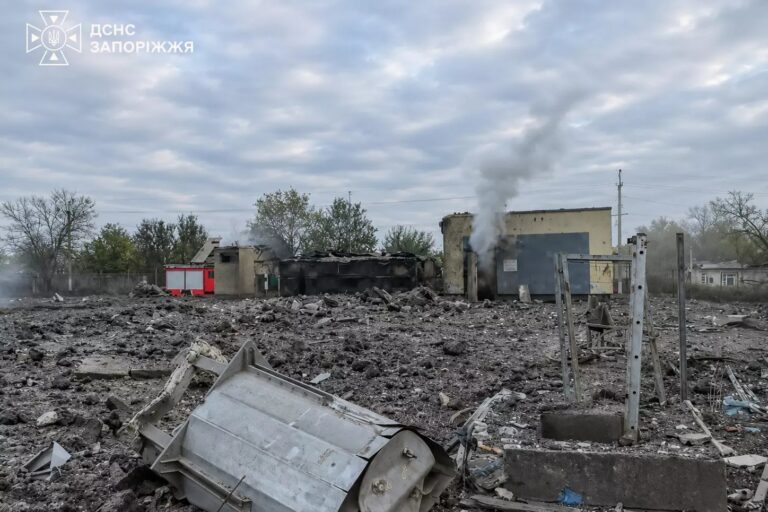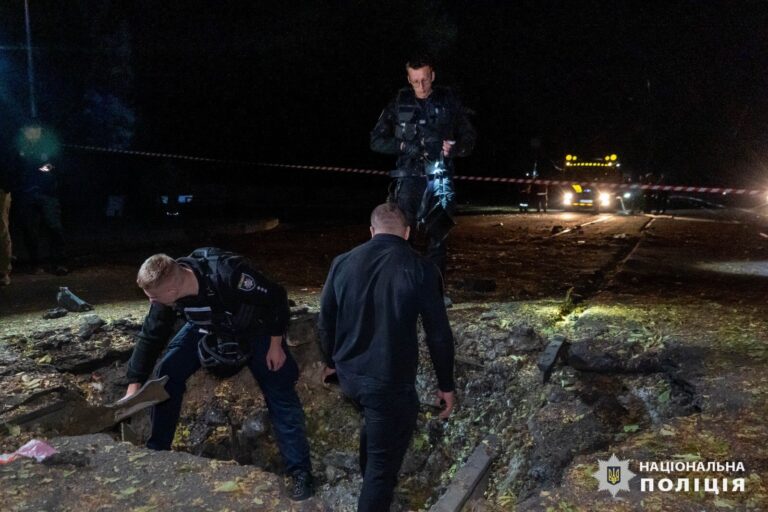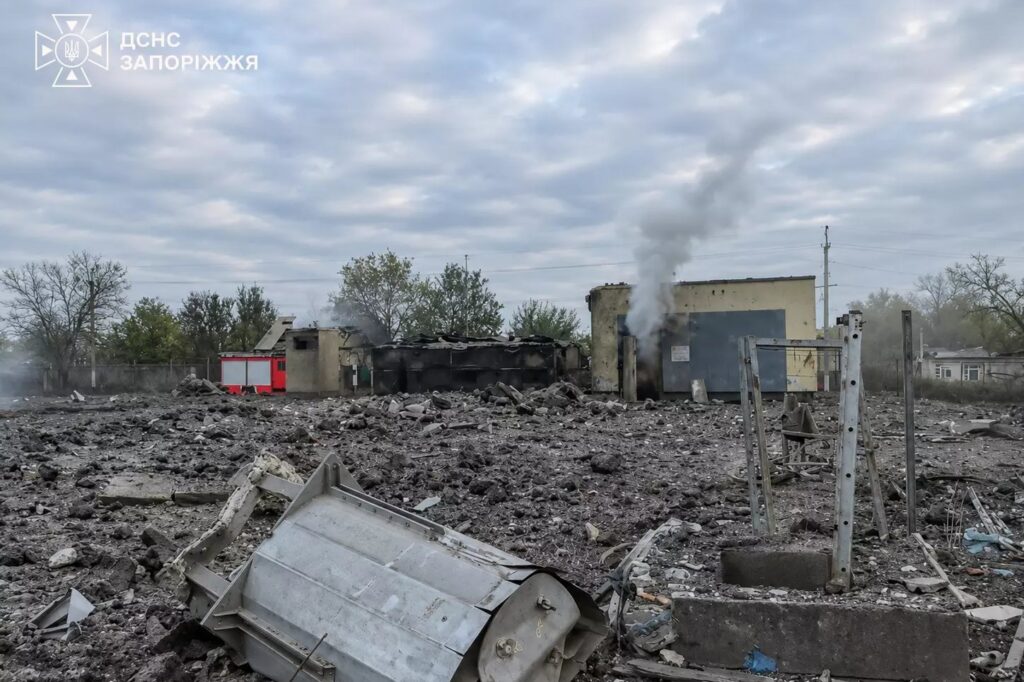
KYIV, November 19, 2026 — Civilian casualties in Ukraine surged in October 2026, with 372 deaths and 1,981 injuries, marking a 95% increase from the same month in 2025, according to the UN Human Rights Monitoring Mission in Ukraine (HRMMU).
International Humanitarian Law: The Legal Framework
International humanitarian law (IHL) forms the bedrock of civilian protection in conflict zones. According to IHL, civilians—defined as individuals not participating in hostilities—are entitled to specific safeguards. The Geneva Conventions, particularly Convention IV, outline these protections, emphasizing that civilians must not be targeted and are to be shielded from the effects of warfare. IHL also grants hospitals and medical facilities special status, prohibiting attacks on them.
Recent Attacks and Their Impact
Seventy-two civilians died, and four remain missing after multiple bombs struck the school, including an underground shelter where people had gathered for humanitarian aid. HRMMU confirmed that dozens of those killed were civilians, including local residents and emergency workers. Long-range weapons, such as missiles and drones, accounted for over half of the civilian casualties in October, with aerial glide bombs causing a notable increase in deaths.
Challenges in Enforcing Legal Protections
Despite IHL’s clear provisions, enforcement remains a challenge. Attacks on hospitals and medical facilities persist, highlighting the gap between legal protections and reality. The Global IHL Initiative, led by states like Nigeria, Pakistan, Spain, and Uruguay, alongside the International Committee of the Red Cross (ICRC), has sought to strengthen the implementation of these rules. However, the outcome document from these consultations does not create new law but aims to translate existing obligations into practical measures.
Global Efforts to Strengthen Civilian Protection
Organizations like the Center for Civilians in Conflict (CIVIC) work to enhance protection for civilians in conflict zones. CIVIC engages with communities, armed actors, and decision-makers to prevent and respond to harm, advocating for civilian protection as a global priority. Their recent rebranding aims to increase visibility and accessibility in non-English-speaking contexts, reinforcing their commitment to locally rooted solutions.
As of October 2026, civilian casualties in Ukraine have surpassed previous years, despite the legal frameworks in place. The record shows that international humanitarian law, while comprehensive, faces significant challenges in protecting civilians on the ground. The world’s response to this crisis will determine whether these legal protections can be effectively enforced in the face of escalating violence.
Sources
- Civilian
- Ukraine: Protection of Civilians in Armed Conflict – October 2026 – Ukraine
- Central African Republic – Global Centre for the Responsibility to Protect
- A collective step forward: the outcome document on achieving meaningful protection for hospitals in armed conflict
- Evolving Our Visual Identity to Strengthen Protection
- Sudan: Devastating RSF drone strikes on civilians in El Obeid should be investigated as war crimes
Photo: State Emergency Service of Ukraine (CC BY 4.0)