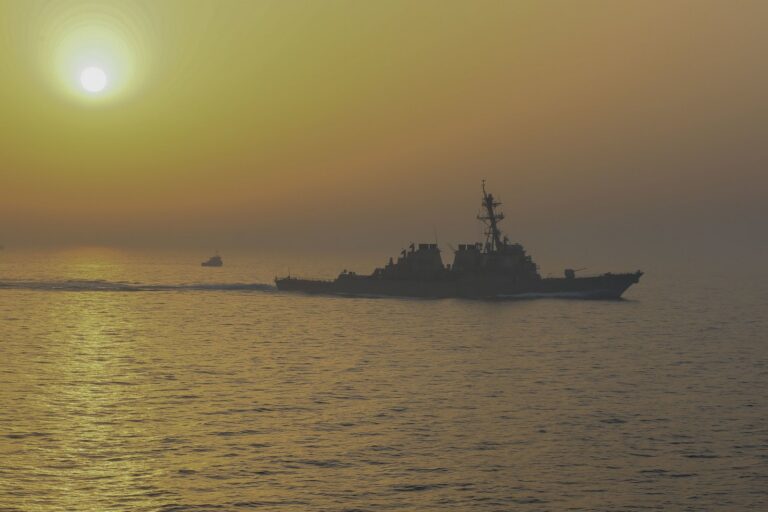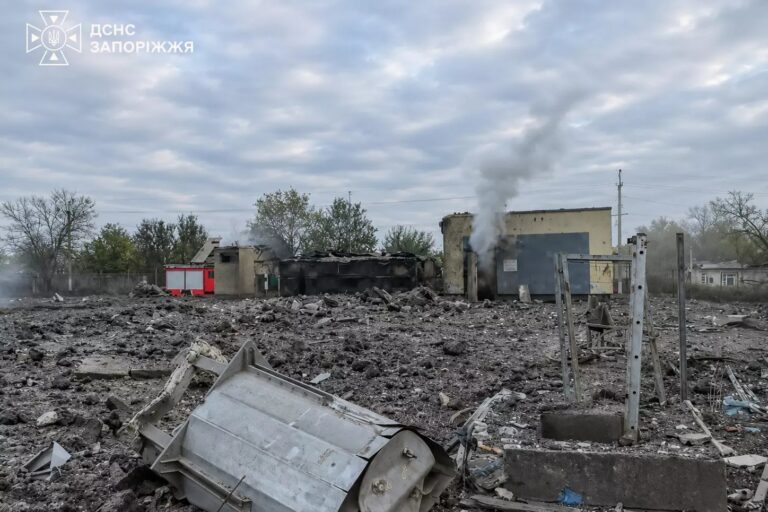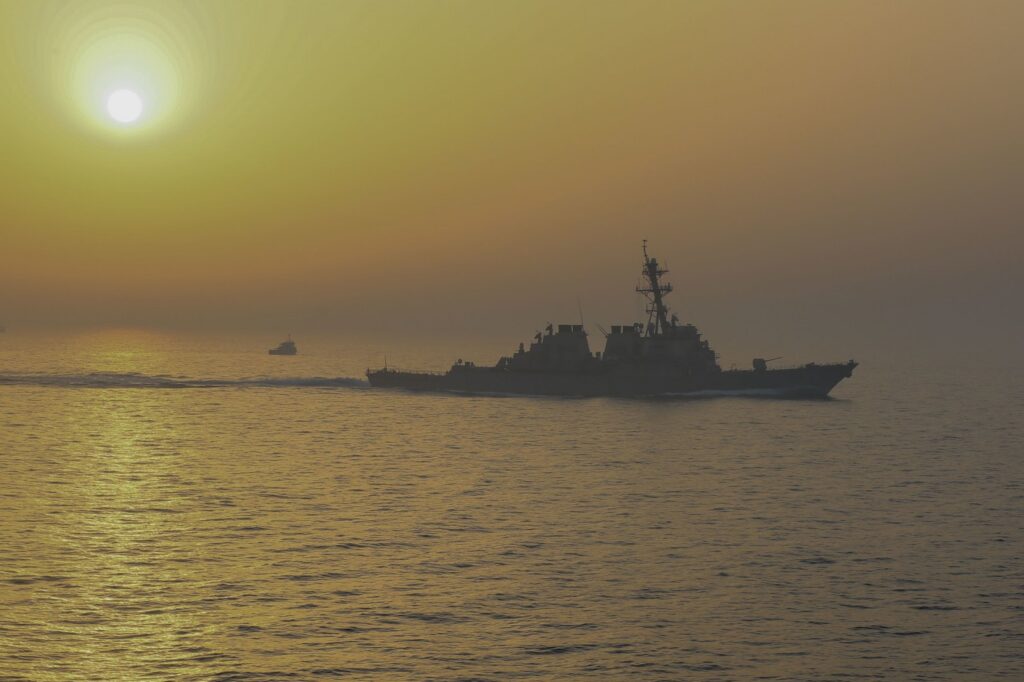
The arrival of the USS Theodore Roosevelt on Nov. 15 to replace the USS George Washington signaled that Washington intends to sustain a substantial naval presence near Iran, even as Iranian forces intensify attacks on U.S. military installations across the Persian Gulf and shipping in the Strait of Hormuz. The exchange of fire marks one of the most active periods of fighting since August, shattering a brief pause that began with the June Islamabad Memorandum of Understanding.
The Islamabad MoU and Its Limits
Mediated by Pakistan, the June agreement committed Washington to lifting its naval blockade and easing economic restrictions in exchange for an end to hostilities and Iranian guarantees of freedom of navigation in the Strait of Hormuz. According to state and international reports, the MoU left critical disputes over Iran’s nuclear program, the scope of sanctions relief, and control of the strait unresolved. The account indicates the arrangement began unraveling almost immediately as Iran continued asserting authority over maritime traffic, while attacks on commercial vessels resumed in late June.
From Proxy Warfare to Direct Confrontation
The current cycle follows a joint American-Israeli offensive against Iran in February, a shift that moved the conflict beyond the proxy warfare that has long defined the regional balance. Following further attacks in early July, American forces launched retaliatory strikes against Iranian military infrastructure. On July 13, U.S. Central Command announced the restoration of the naval blockade, ending the diplomatic reprieve. Washington subsequently intensified its pressure campaign, launching “Operation Economic Outcast” on Aug. 24 to expand sanctions against Iranian financial institutions and oil-trading networks. Treasury Secretary Scott Bessent declared the objective was to sever every economic lifeline sustaining the regime until Tehran stands alone.
Economic Pressure and Maritime Enforcement
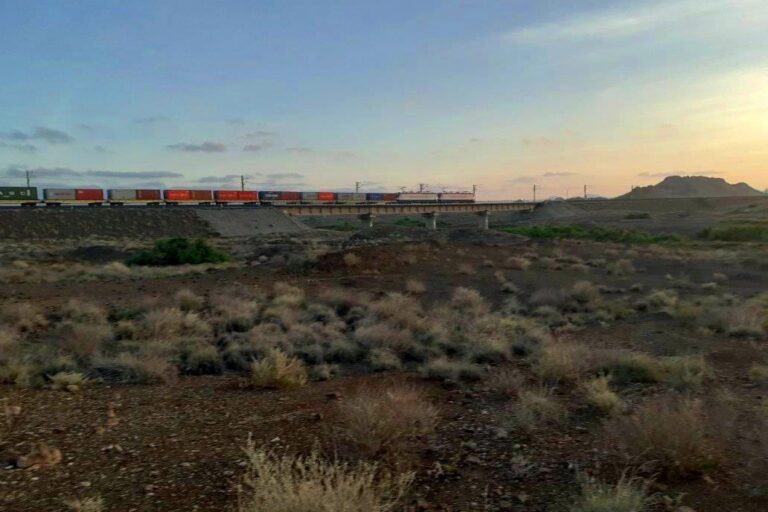
According to CENTCOM, the blockade has prevented more than $25 billion in Iranian crude oil exports. On Nov. 7, the command announced Task Force Iron Gate, an interagency initiative targeting the movement of sanctioned materials, military equipment, and illicit revenue across Iran’s land borders and the Caspian Sea. The initiative followed a Reuters investigation identifying at least $2 billion in military-related imports reaching Iran, suggesting the economic siege has not fully severed the regime’s supply lines.
Assessing the Managed Conflict Doctrine
Brig. Gen. (res.) Yossi Kupperwasser, director of the Jerusalem Institute for Strategy and Security, told JNS the situation is definitely unstable and that escalation is very likely, though the timing remains unpredictable. The collapse of the Islamabad MoU demonstrates that containment strategies which pause hostilities without resolving core disputes over nuclear thresholds and strait control cannot hold. The managed conflict doctrine, in this instance, functioned only as a temporary suspension of violence rather than a pathway to stability.
Sources
- Renewed Iranian escalation exposes limits of managed conflict
- Conflict management
- First Person: Managing risk on Ukraine’s frontline
- New UN report, coordinated by UNESCO, underlines the role of a culture
- Osaic discloses conflict tied to overlapping Envestnet ownership
- Managing conflict may be the most important skill you need to learn
Photo: Cpl. Gary Jayne III (Public domain)