
A deadly explosion at a glue factory in Faisalabad, Punjab’s industrial hub, has left 18 people dead and 21 others injured, drawing renewed attention to the city’s struggle to keep safety measures aligned with its rapid expansion. The blast occurred on November 21, 2025, and rescue teams continue to search the wreckage for additional victims.
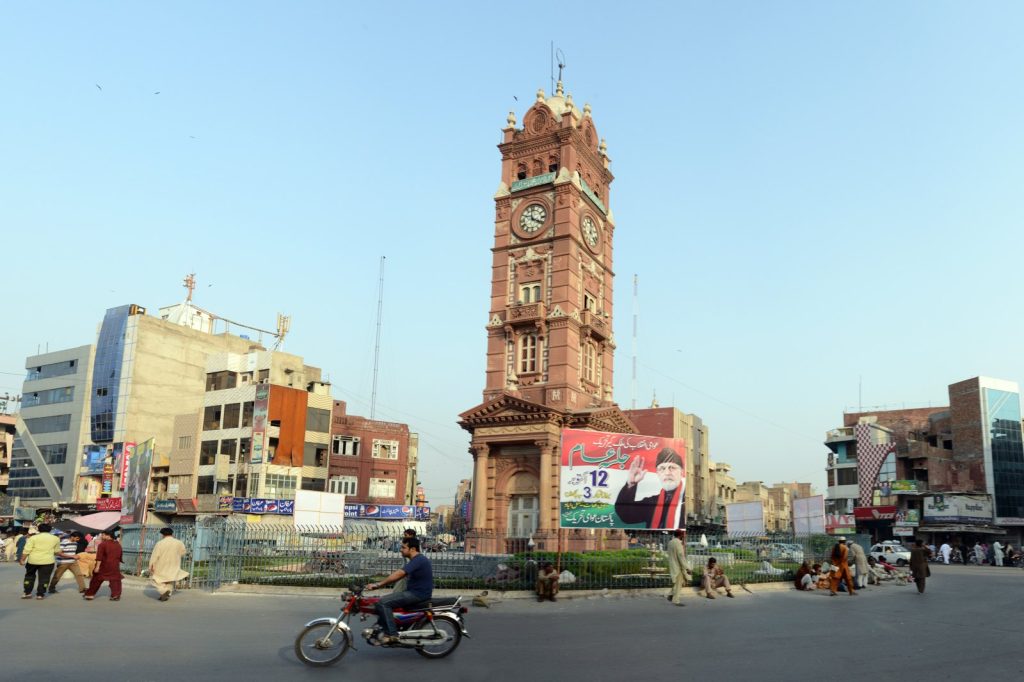
The injured have been transported to local hospitals for treatment. Faisalabad was originally established in the 1890s as Lyallpur, a planned colonial settlement centered around a clock tower and eight orderly bazaars. Its population exploded following the 1947 Partition, multiplying sixfold within a decade as refugees arrived and industries followed.
Today, it stands as Pakistan’s third-largest city, a sprawling manufacturing center for textiles, chemicals, and other goods. The factory involved in the explosion is one of numerous industrial facilities dotting the city’s zones.
Many of these plants, including chemical operations and dyeing units, were constructed decades ago under weaker safety regulations and enforcement standards. The local economy relies heavily on this industrial base, but so does the city’s accident rate, which has drawn criticism from residents. The cause of the explosion remains undetermined, and authorities have launched an investigation.
The government has pledged support for affected families, though local residents are calling for more concrete action. They demand regular inspections, stricter enforcement of safety protocols, and assurances that neighboring factories will not pose similar risks.
This is not the first time such calls have emerged in Faisalabad. Industrial disasters have historically prompted demands for reform, but follow-through has been inconsistent. The city’s vast industrial sector operates with limited regulatory oversight, and many factories run on thin profit margins, making safety upgrades financially challenging. This combination has created a pattern where tragedies recur, followed by cycles of outcry and inaction.
The explosion did not occur in isolation. It happened in a city that experienced a sixfold population increase in a single decade, where industrial growth outpaced regulatory capacity, and where the glue factory was just one of many similar operations.
With 18 confirmed deaths and 21 injuries, the investigation continues. The government has promised action, and the people of Faisalabad now wait to see whether this promise will lead to lasting change or become another chapter in a recurring cycle of tragedy and neglect.




