
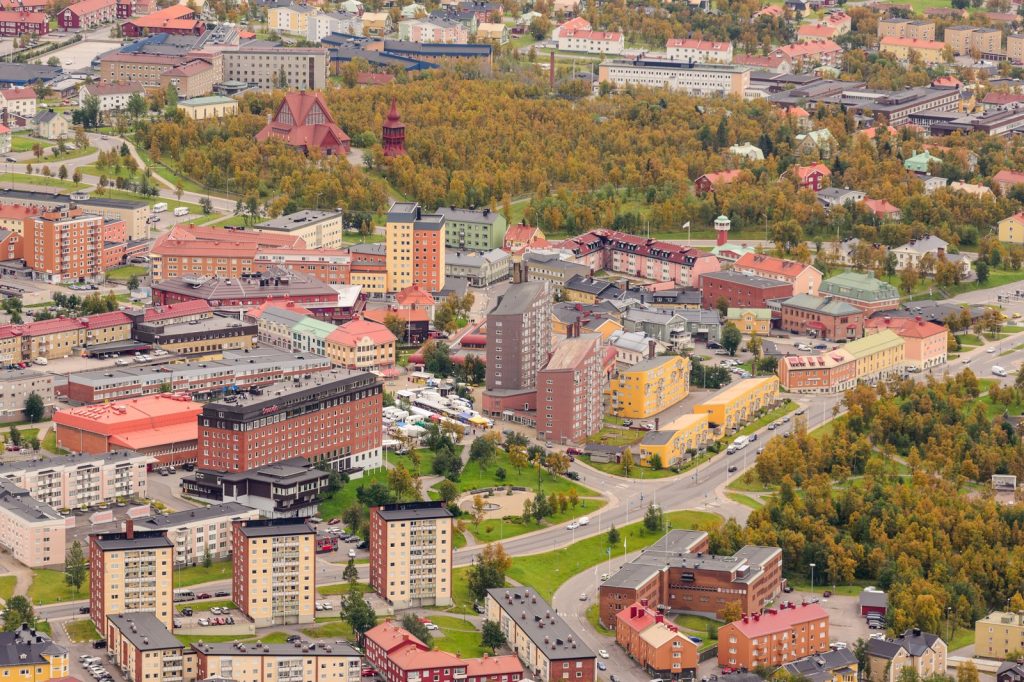
In the small Swedish town of Kiruna, concerns are growing about the potential impact of the European Union’s subsidy plans on local communities. As the EU considers increasing subsidies to its industry, there are fears that smaller member states like Sweden may be left behind, while heavierweights like Germany and France reap the benefits. This could have a significant impact on the lives of people living in these communities, who may see their local businesses and industries struggle to compete with larger, more subsidized counterparts.
The EU’s plans to counteract American efforts to boost its green technologies sector have sparked worries about the potential for unequal distribution of subsidies. The approval of subsidies to offset the effects of Russia’s conflict in Ukraine has raised concerns that larger member states will use their economic power to secure more subsidies, leaving smaller states at a disadvantage.
Sweden, which currently holds the EU presidency, has warned about the need to maintain balance and prevent Germany and France from coercing smaller member states into giving their national powerhouses billions in subsidies.
The Risk of Distorting the Single Market
The EU’s cherished “single market” allows all 27 member states to compete fairly and equally, regardless of their economic development. However, the current subsidy plans threaten to distort this competition and disadvantage smaller states.
According to Swedish Industry Minister Ebba Busch, the EU’s response to the U.S. subsidies included in the $369 billion Inflation Reduction Act must prevent “a competition on who can deliver the biggest state aid.” This could lead to a situation where smaller states are unable to compete with their larger counterparts, jeopardizing the single market and the economic development of these regions. The European Commission President Ursula von der Leyen has suggested the idea of a European sovereignty fund to promote the ecological transition of the bloc’s economy.
This fund could provide subsidies to support green sectors in Europe and help member states oppose Washington’s subsidy plans. However, the EU has spent decades trying to reduce state aid and prevent member states from giving outsized subsidies to outmoded industries. The current plans could undermine these efforts and create a new era of unequal competition within the single market.
National Interests and the Risk of Trade War
When EU leaders gather for a two-day summit in Brussels on February 9-10, they will be motivated by a desire to advance their own national interests. The majority of the public discussion will revolve around how to deal with Washington without starting a transatlantic trade war. However, the EU’s subsidy plans could create tensions between member states, as smaller states feel that their interests are being neglected.
The EU has already made significant alterations to its state aid rules in response to the global coronavirus outbreak in 2020 and the effects of the war in Ukraine last year. The European Commission has spent 540 billion euros in state aid, which has helped to support member states during times of crisis.
However, the current subsidy plans could create a new era of state aid, which could undermine the single market and create unequal competition. As the EU moves forward with its subsidy plans, it will be important to watch how these plans are implemented and how they impact smaller member states and local communities.
What to Watch Next
As the EU continues to develop its subsidy plans, it will be important to watch how these plans are implemented and how they impact smaller member states and local communities. The EU’s ability to maintain balance and prevent unequal competition will be crucial in ensuring that the single market remains fair and competitive for all member states. The outcome of the February summit and the implementation of the European sovereignty fund will be key indicators of the EU’s commitment to supporting its smaller member states and promoting a level playing field within the single market. As the EU navigates these complex issues, it will be important to monitor the impact on local communities and the single market, and to ensure that the EU’s subsidy plans do not create a new era of unequal competition and disadvantage smaller member states.




