
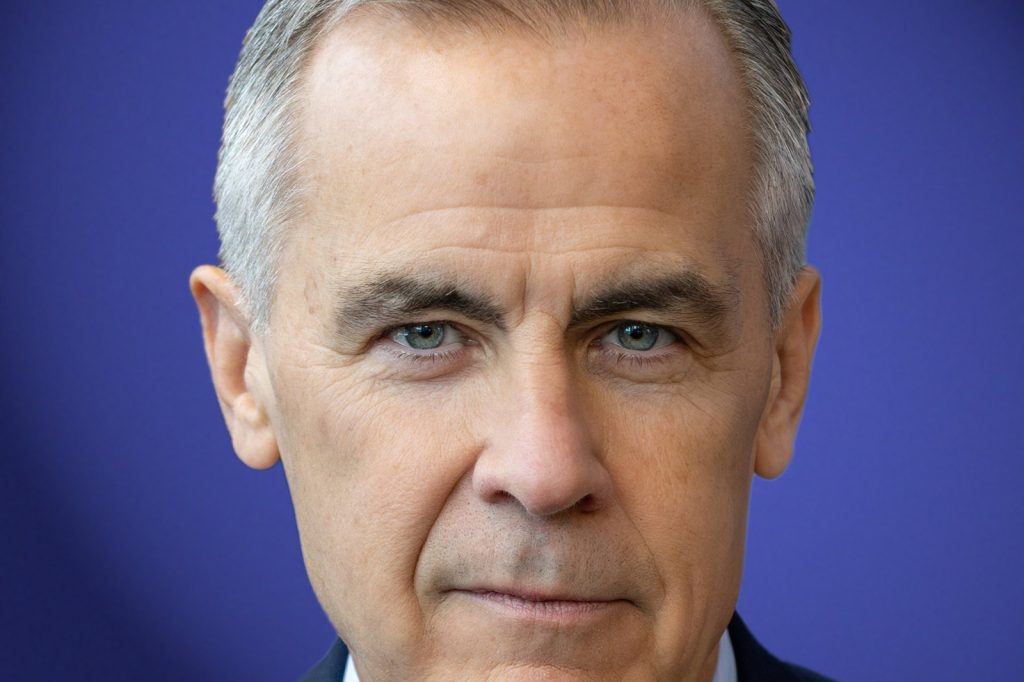
Mark Carney was sitting in the chamber in Strasbourg when Ursula von der Leyen turned to speak to him directly. “I would like to work with you on opening the door for Canada to be the first associate member of the EU,” she said. Lawmakers gave the Canadian prime minister a standing ovation.
The offer came on Wednesday, in the European Commission president’s annual State of the European Union address to the European Parliament. Carney had been invited by von der Leyen himself and was the first foreign head of government to attend the speech. He was due to address the Parliament on Thursday.
A status that does not exist
There is a catch. “Associate member” is not a category in the EU treaties, so its rights, obligations and legal structure would all have to be worked out. Von der Leyen did not say whether Canada would get a seat in EU institutions or access to parts of the single market. She called the relationship an “Alliance for the Future,” and said she wanted to go past the existing free-trade deal into a shared space for prosperity and security.
The list of cooperation areas was long: advanced manufacturing, technology, defense production, energy, critical minerals, batteries, artificial intelligence, quantum computing, cybersecurity and economic security. The Arctic would be a “flagship joint project.” She also proposed bringing Canada into a future European Security Council with other close partners.
Her framing was pointed. “We see the world with the same eyes: from AI to climate change, from the Arctic to geopolitics,” she said. “But above all, dear Mark, Europe and Canada believe in democracy.” The partnership, she added, was “not against anyone else, but for our common strength.”
Why now
Ottawa has been looking for room away from Washington. Canada-U.S. trade talks collapsed last month, tariffs and retaliation are in play, and President Donald Trump keeps calling Canada a potential 51st state. Around 70 percent of Canadian trade still depends on the United States, which makes any real tilt toward Europe a long project rather than a quick swap.
Earlier in the week Carney said Canada wanted a “unique alliance” with the EU, not full membership. Officials on both sides had reportedly been exploring links in energy, artificial intelligence, critical minerals and defense, and possibly easier ways for Canadians to live and work in Europe. Nothing has been agreed.
Canada is already closer to the bloc on defense. It was the first non-European country to join the EU’s 150 billion-euro SAFE defense loan program. The Comprehensive Economic and Trade Agreement, known as CETA, has removed most tariffs between the two.
A similar idea came up this year for Ukraine, in a version that would let Kyiv attend some EU summits and ministerial meetings and use some programs without full voting rights. Ukraine, which wants full membership, gave it a cool reception.




