
A drone attack on northern Israel on April 17 has left one Israeli officer dead, 14 soldiers wounded, and four civilians injured. The incident, attributed to Iranian-backed militant groups, represents a notable evolution in the tactics employed by these forces. The drones originated from beyond Israel’s borders, according to available reports. While such groups have previously conducted attacks against Israel, the use of drones as the primary weapon introduces new challenges for defense systems.
Drones are inexpensive, difficult to detect, and capable of striking both military and civilian targets with precision. The inclusion of civilian casualties is a significant factor.
Four civilians were among those hit, transforming what might be considered a military engagement into a broader political incident. This development has drawn swift condemnation from Western nations. The US State Department issued a statement expressing solidarity with Israel.
Israel’s military has confirmed it is assessing damage and planning a response. The central question is not whether retaliation will occur, but rather the scope and targets of any counterstrike.
Drone attacks represent a form of asymmetric warfare designed to bypass conventional defenses while maintaining a degree of deniability for those who launch them. The timing of the attack coincides with months of rising regional tensions. A series of incidents involving Israeli forces and militant groups has brought the situation closer to a breaking point.
The United States has provided significant military support to Israel and has been working to manage the escalating situation. However, such support does not directly address the threat posed by drones.
One detail that has drawn attention is the possible use of Chinese-made drones in the attack. If confirmed, this would add a diplomatic dimension to the conflict, transforming it from a purely regional matter into one involving global supply chains. Chinese technology, used by Iranian proxies, has resulted in Israeli casualties.
This fact is unlikely to be overlooked by Washington or Tel Aviv, regardless of Beijing’s intentions for its manufactured equipment. The attack also highlights a vulnerability in Israel’s defense posture.
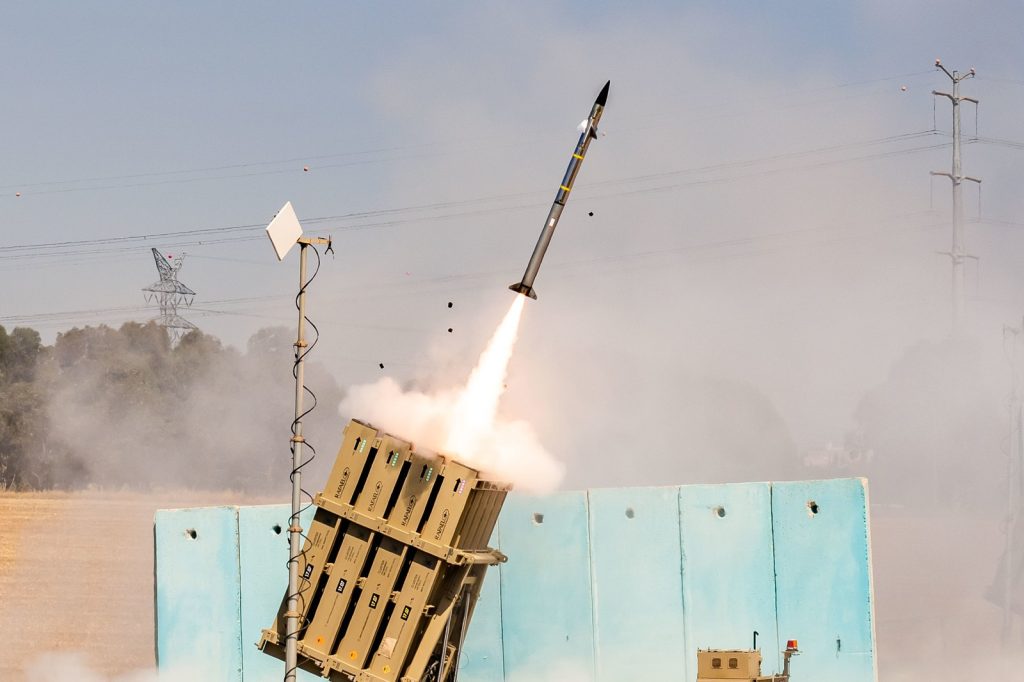
The Iron Dome system is renowned for intercepting rockets and missiles. However, drones operate differently. They fly at low altitudes, at slow speeds, and are small in size, allowing them to evade radar systems designed for larger, faster threats.
This is not necessarily a technological failure but rather a failure of strategic assumptions about the nature of incoming threats. The human cost of the attack is clear: one officer killed, 14 soldiers wounded, and four civilians caught in the crossfire.
These figures represent the ongoing price of a conflict that continues to evolve. Militant groups learn and adapt, finding new methods to strike. Israel will adapt in response, but such adaptation requires time. The forces behind the April 17 attack remain active.
Tensions continue to rise. The cycle of attack and response shows no signs of breaking.
The only uncertainty is what form the next incident will take and how many more casualties it will produce.
Sources
- Hezbollah Intensifies Drone Strikes on Northern Israel as Tensions…
- Yemeni Drones Strike Israel; Escalating Tensions Amid Growing…




