
Sirens went off across northern Israel late on Sunday, June 7, and again in central and southern cities on Monday. After nearly two months of calm, people were running for shelter.
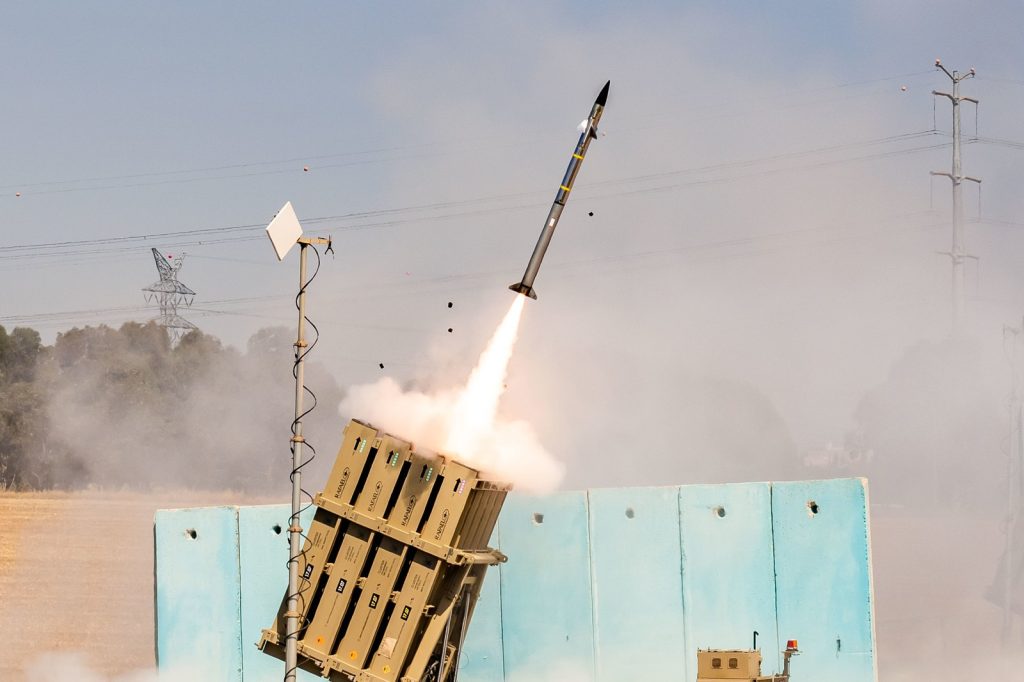
The ceasefire between Iran and Israel had held since April 8. It broke around day 100 of the conflict, when Iran fired its first direct missile attack since the truce. The Israeli army said missiles were launched from Iran toward Israel and that air defences were working to intercept them. Per TRT World, the missiles came in three waves overnight, around 10 reportedly fired. Israel’s army first reported intercepting two.
Why Tehran said it fired
Iranian officials had vowed to respond to an Israeli airstrike on the Dahiyeh district of Beirut, Lebanon’s capital, carried out despite the ceasefire. A commander at Iran’s Khatam al-Anbiya headquarters accused Israel of breaking the truce again and again, and said that Iran had earlier warned it would strike Israeli targets if attacks on Dahiyeh expanded. Tehran threatened “even more forceful and regret-inducing blows” if Israel hit back.
Israel hit back within hours. Its army said dozens of fighter jets struck defence systems in western and central Iran, and a petrochemical complex at Mahshahr in the southwest. Iranian media reported explosions in Tehran, Isfahan and Tabriz. Tehran’s fire department said residential districts were not hit.
A widening circle
The fighting did not stay between two countries. Israel briefly shut its airspace after it intercepted a missile fired from Yemen. The Houthis announced a ban on Israeli shipping in the Red Sea. Iran’s Revolutionary Guards said they had launched “Operation Nasr” against the Nevatim and Tel Nof air bases.
For families across the region, and far beyond it, the worry was practical: energy prices, shipping routes, the next siren. India said the conflict had lasted over 100 days and caused “immense human suffering” and a “debilitating impact on the global economy and energy supplies.” UK Foreign Secretary Yvette Cooper wrote on X that both sides “must show restraint and de-escalate immediately.”
Washington pushed the other way. US President Donald Trump told the Financial Times the flare-up would have no impact on the deal, and said on Truth Social that both Iran and Israel were looking at an immediate ceasefire, with final peace negotiations proceeding. Axios reported he had privately told Netanyahu not to retaliate further. The blockade, Trump added, would remain in place until a “Final Deal” was reached.
Sources
- Iran-Israel exchange intensifies with missile barrages and cross-border strikes (TRT World)
- Iran-Israel ceasefire collapses on day 100 of conflict (ANI)




