
For decades, Iran and Israel fought through proxies. In 2024, the two sides stopped pretending.
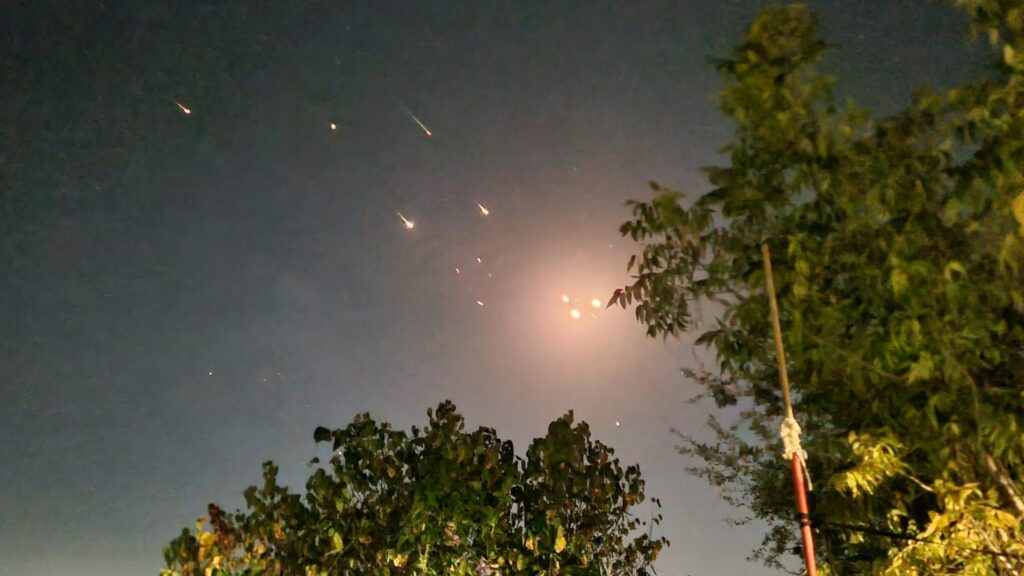
The year opened with a single strike. On April 1, an attack on an Iranian consular building in Damascus killed a senior officer of the Islamic Revolutionary Guard Corps. Iran blamed Israel. On April 13, Tehran answered with its first direct assault on Israeli soil, a wave of missiles and drones, and it seized an Israeli-linked ship, the MSC Aries. Much of the barrage was intercepted with help from the United States, Britain, France and Jordan. Israel hit back on April 19 with a limited strike on a missile site near Isfahan, an operation it never formally claimed.
Then the shooting stopped for about three months.
An assassination ended the pause. On July 31, Ismail Haniyeh, the political leader of Hamas, was killed in Tehran. Iran and Hamas blamed Israel. Tehran waited, then fired a second missile barrage on October 1, after the killing of Hezbollah commander Fuad Shukr in Beirut as well. Israel retaliated on October 26 with strikes on military targets inside Iran.
To scholars of the laws of war, the pattern poses an awkward question. The Lieber Institute at West Point called the exchanges a “tit-for-tat exchange” and said they plainly amount to an international armed conflict under the Geneva Conventions. The harder puzzle is how to say when such a conflict ends. Neither Iran nor Israel is party to the additional protocol that defines the “general close of military operations” test, the institute noted. So the pauses can look like endings while the threats keep coming.
No ceasefire closed the year. Iran does not recognize Israel, which rules out a conventional truce between the two states, and analysts said each round of retaliation stayed calibrated to avoid full-scale war.
Sources
- A Conflict in Suspense: General Close of Military Operations in the Iran-Israel Conflict – Lieber Institute West Point
- 2024 Iran–Israel conflict (2024) — War & Conflict – HistoryData




