
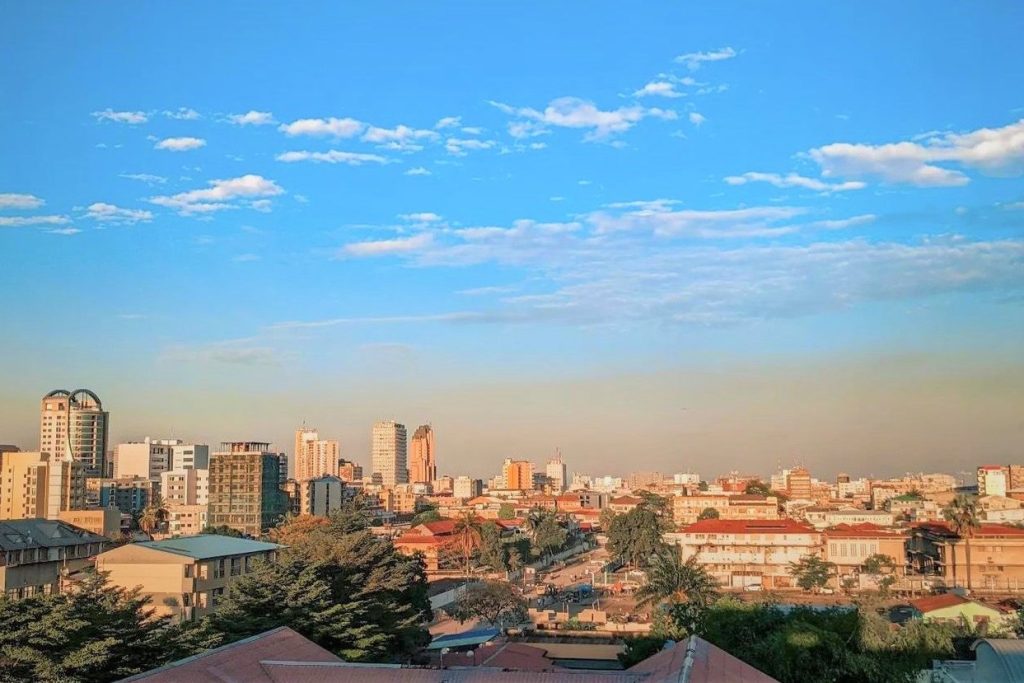
The Democratic Republic of the Congo has officially terminated the moratorium on capital punishment that had been in place since 2003. Officials say the reversal is intended to serve as a deterrent against the persistent wave of violent crime that has plagued the nation for decades. With an estimated 124 million inhabitants, the DRC ranks as Africa’s fourth‑largest population and its capital, Kinshasa, functions as the country’s primary economic hub.
Geographically, the nation is Africa’s second‑largest state and the world’s eleventh‑largest, sharing extensive borders with a number of neighbours, including the Republic of the Congo. More than 200 indigenous languages are spoken across its territory, while French remains the official language and Lingala is widely used in the northern regions.
Despite this cultural and linguistic richness, the country continues to wrestle with chronic insecurity. A patchwork of armed factions and militias operates in various provinces, contributing to a complex security landscape that the government has struggled to contain. The decision to lift the death‑penalty moratorium is presented as a tool to discourage further atrocities, although its practical impact remains to be observed. International observers have noted the move with concern.
The United States, among other partners, has been monitoring the DRC’s security situation closely and is expected to weigh its diplomatic response in the coming weeks. Regional ramifications are also possible, as porous borders facilitate the movement of people, goods, and ideas throughout Central Africa.
Neighboring states may look to the DRC’s new stance on capital punishment when shaping their own justice policies. Beyond the United States, the DRC’s relations with global powers such as China are likely to attract additional scrutiny. Chinese involvement in the country has largely focused on trade and investment, especially in the mining sector.
However, the shift in the DRC’s criminal‑justice approach could prompt a reassessment of China’s human‑rights record in the region. There are also broader geopolitical dimensions.
Tehran has faced accusations of backing militant groups operating in Central Africa, and the DRC’s heightened security measures may increase pressure on Iran to clarify its role in the country’s instability. Domestic challenges extend well beyond security concerns. Persistent poverty, endemic corruption, and insufficient infrastructure continue to hinder development.
Nevertheless, the government argues that a firmer stance on violent crime is a prerequisite for creating an environment conducive to economic growth and social progress. The international community’s support will be pivotal as the DRC navigates this policy shift.
Aid and diplomatic engagement, particularly from the United States, could help bolster institutional capacity and ensure that any use of the death penalty aligns with broader human‑rights standards. In the months ahead, analysts will be watching closely to see whether the reinstated capital punishment deters armed groups and reduces civilian casualties. The outcome will shape not only the DRC’s internal security trajectory but also its standing in regional and global forums.
Ultimately, the DRC’s abundant natural resources and vibrant cultural mosaic provide a foundation for potential stability and prosperity. Whether the removal of the moratorium on the death penalty contributes positively to that vision will depend on how effectively the government balances deterrence with respect for human rights, and how the international community supports the nation’s broader development goals.




