What Happened in the Strait
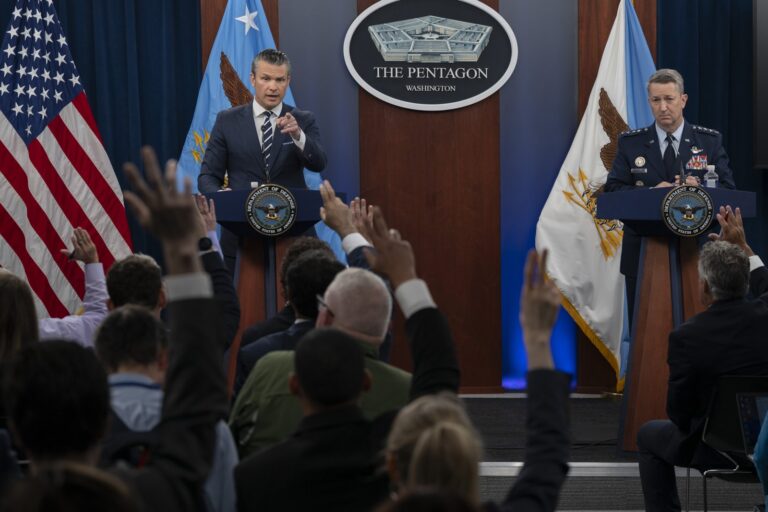
The shift is now on the record. On Thursday, May 7, 2026, U.S. Central Command confirmed that three Navy destroyers, USS Truxtun (DDG-103), USS Mason (DDG-87) and USS Rafael Peralta (DDG-115), came under attack from missiles, drones and small boats as they transited the Strait of Hormuz toward the Gulf of Oman. No American vessel was hit, the command said, calling the Iranian fire unprovoked. “U.S. forces intercepted unprovoked Iranian attacks and responded with self-defense strikes,” the command said in its statement.
The American reprisal hit the launchers behind Iran’s missiles and drones, along with command nodes, control hubs and intelligence and surveillance assets tied to the attack. gCaptain, the maritime trade outlet that reported the clash, noted it as one of the clearest publicly acknowledged naval exchanges between the two forces, and the first time Washington formally confirmed its destroyers were targeted during a transit.
Washington’s Two Voices
President Donald Trump told a more total story, writing that the Iranian attackers were “completely destroyed.” “Missiles were shot at our Destroyers, and were easily knocked down,” Trump wrote on social media. “Likewise, drones came, and were incinerated while in the air.” He also claimed numerous Iranian small boats “went to the bottom of the Sea, quickly and efficiently,” and he warned that Washington’s answer would come “a lot harder, and a lot more violently” unless Tehran moves fast on a wider deal covering its nuclear program.
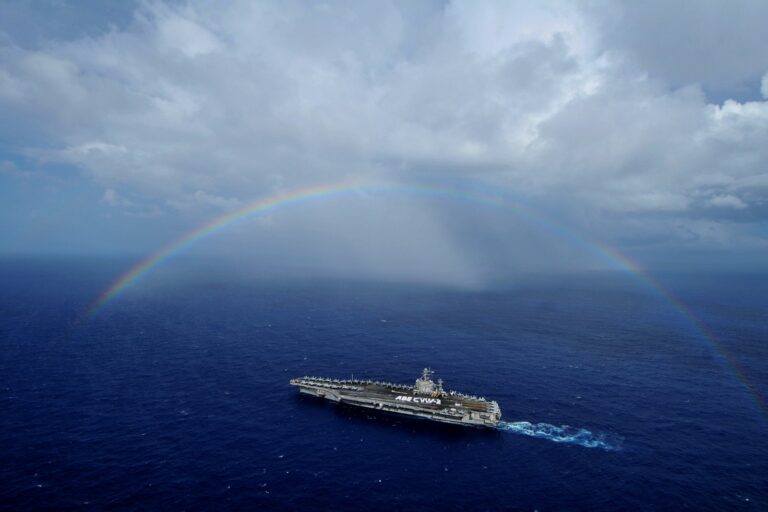
“Our three Destroyers, with their wonderful Crews, will now rejoin our Naval Blockade, which is truly a ‘Wall of Steel,’” he wrote, announcing the ships’ return to the naval blockade of Iranian ports. The gap between the two messages was the story of the day: where the president called Iranians “lunatics” and pushed for a deal “FAST,” CENTCOM stressed that it “does not seek escalation” and framed its strikes as defense of forces and freedom of navigation.
The War Around the War
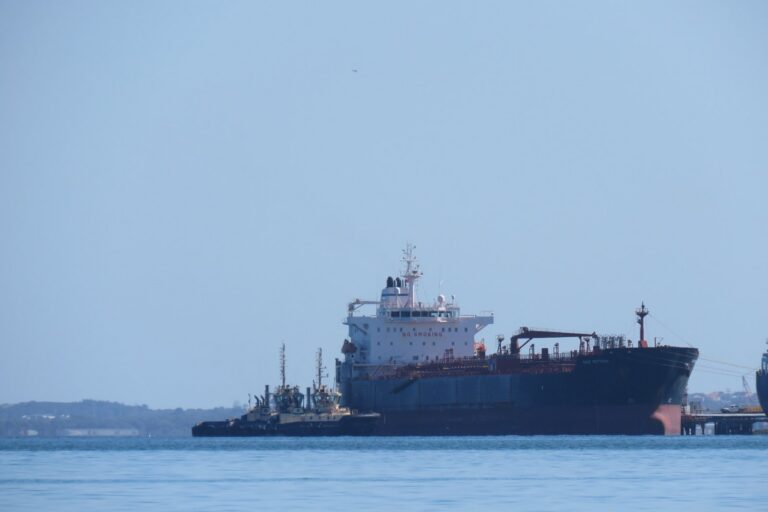
The clash landed on top of an already souring picture. The administration had launched Project Freedom, an escort effort to move stranded commercial ships out of the Persian Gulf through a security corridor in Omani waters, then paused it less than 48 hours in, after two U.S.-flagged ships got out. French carrier CMA CGM confirmed that San Antonio, its Malta-flagged containership, was struck in a Hormuz transit, with the International Maritime Organization counting eight wounded seafarers, the 32nd shipping incident of the conflict. A sister vessel, the Saigon, got clear along Oman’s coast south of Muscat.
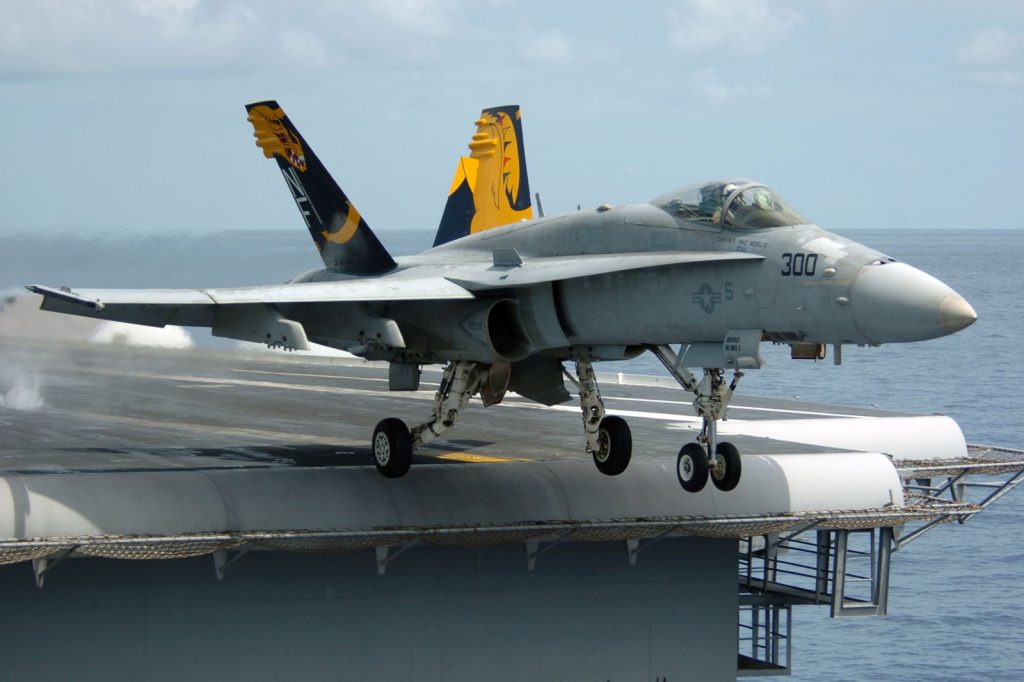
BIMCO, the world’s largest shipping association, said the sudden pause complicated risk planning, and its chief safety and security officer, Jakob Larsen, told gCaptain that transits without coordination with Iran still carry “significant risk.” Less than a day before the destroyer clash, a Super Hornet flying off USS Abraham Lincoln fired 20mm cannon rounds to disable the Iranian tanker M/T Hasna, allegedly blockade-running toward an Iranian port, after a similar April interdiction of the M/V Touska.
The People Still Inside
The Joint Maritime Information Centre estimates about 2,000 vessels are still trapped near the Strait, where traffic has collapsed. Indian sailors stranded aboard ships near Iranian ports described nightly strikes and dwindling food. “Around 10 to 20 missiles struck every night. No one could one, Tithi Chiranjeevi, told Reuters after escaping through Iraq, Armenia and Dubai. At least three Indian seafarers have been reported killed in the crisis, and the waterway that normally carries about one-fifth of the world’s seaborne oil trade remains largely closed to commerce.