
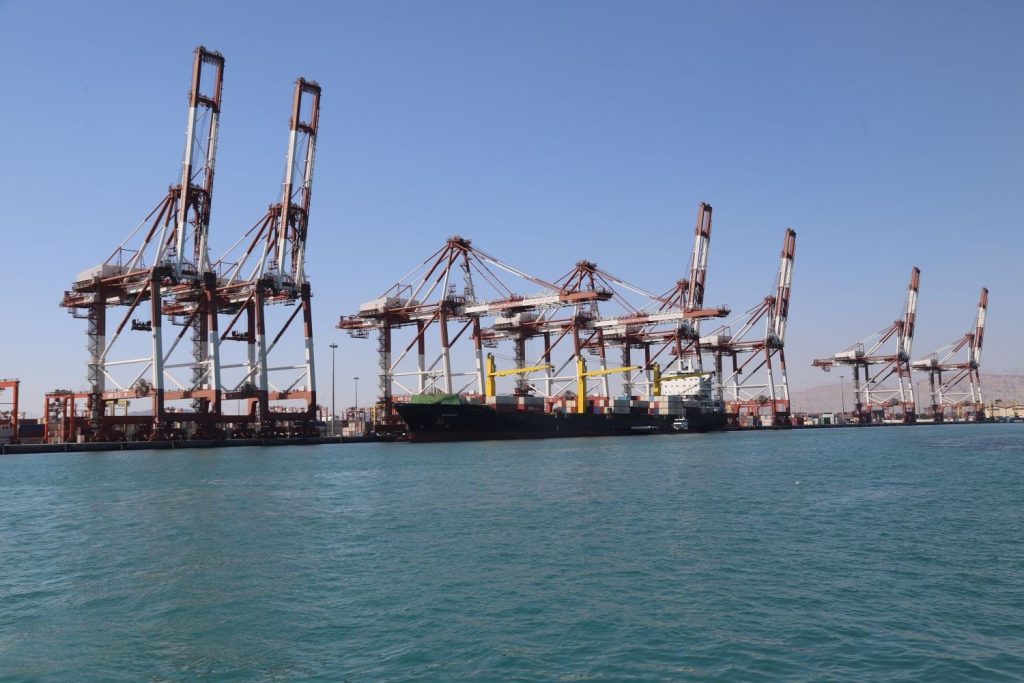
A catastrophic explosion tore through the Port of Shahid Rajaee on Iran’s southern coast yesterday, leaving at least 40 people dead and 1,205 injured. Rescue crews continue to search the wreckage, and officials have indicated the casualty figures are expected to rise as operations progress. The port, situated on the northern shore of the Strait of Hormuz, is Iran’s busiest maritime gateway.
It operates 23 berths and handles approximately 70 million tons of cargo annually, including three million TEUs of containerized freight. The blast struck a sprawling 2,400-hectare facility, scarring a vast area with debris and damage.
The scale of the destruction points to a systemic vulnerability at a facility that manages immense volumes of hazardous materials. Containers of chemicals, fuel, and industrial goods are routinely processed at the port. Investigators have not yet determined the specific cause of the explosion, but the incident highlights the risks inherent in handling such dangerous cargo across a complex network of berths and storage areas.
Environmental concerns are emerging as a critical secondary crisis. The Strait of Hormuz is a narrow, ecologically sensitive waterway that supports fish, coral, and migratory marine species.
The explosion raises the risk of oil spills and chemical contamination. If storage tanks were ruptured or a vessel’s hull was breached, pollutants could already be spreading into the tide. The current does not pause for rescue operations. The economic consequences are severe.
Iran’s economy was already strained by sanctions, inflation, and a weakening currency. The Port of Shahid Rajaee is the southern anchor of the nation’s supply chain, handling goods that move north to cities and industries across the country.
A prolonged shutdown could disrupt the flow of food, medicine, and industrial parts. Every container that remains unmoved represents a broken contract, a delayed payment, or an idled factory. The timing of the disaster adds to its gravity.
Tensions in the Strait of Hormuz are already elevated due to tanker seizures and military posturing. The port is named after former President Mohammad-Ali Rajai, a figure closely associated with the Islamic Republic.
The government now faces difficult questions about whether the blast was an accident or an act of sabotage. The report does not provide an answer, but the political pressure will intensify regardless. Rescue teams remain focused on finding survivors.
Meanwhile, investigators are beginning the long process of sifting through debris, testing water quality, and assessing structural damage to the port’s infrastructure. These efforts will determine whether the facility can ever return to full capacity.
The Strait of Hormuz does not forgive mistakes, and an economy built around a single chokepoint leaves little room for recovery. The smoke over Shahid Rajaee has not yet cleared.




