
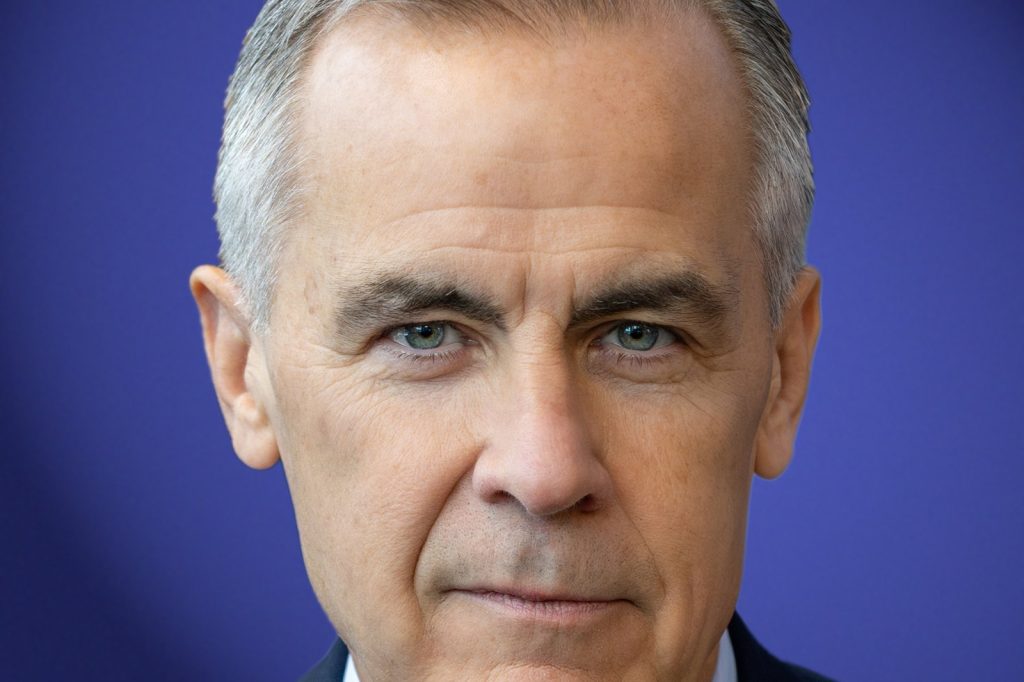
On Sunday, March 23, Mark Carney walked out of a meeting with Governor General Mary Simon and told reporters he had asked her to dissolve parliament. She agreed. Canada would vote on April 28.
The prime minister framed the reason in blunt terms. “We are facing the most significant crisis of our lifetime because of President Trump’s unjustified trade actions and his threats to our sovereignty,” he said, according to the Guardian. “He wants to break us, so America can own us. We will not let this happen.” Mint, citing Reuters, added that he wanted a strong mandate for handling the tariff danger to the economy.
Why now
The timing solved a problem for Carney. He sits nowhere in the Commons, and parliament, prorogued for two months after Justin Trudeau announced his resignation in early January, had been due to come back on the Monday. Calling the vote at once spared him a first showdown with a hostile chamber. The legal minimum for a campaign is 37 days; the Mint described this one as five weeks.
The polls had moved sharply. Early in 2025 the Conservatives looked set to return to power, DW noted, but Trump’s return and his talk of annexation turned that into a contest. Lori Turnbull of Dalhousie University told the Guardian that Carney “has been the gamechanger and has totally reversed the fortunes of the Liberal party.”
The numbers
When parliament was dissolved the Liberals held 152 seats, the Conservatives 120, the Bloc 33, the New Democrats 24 and the Greens two. This time 343 seats are on the ballot. A party needs 172 of them to govern outright; if none gets there, a minority government is negotiated, as happened with Trudeau’s last two governments.
Carney, 60, took over as prime minister earlier in March after winning 86% of the votes cast by registered Liberal members. An economist by training, he has run the central banks of Canada and of England. He planned to run in Nepean, in Ottawa. Across from him stood Pierre Poilievre, whose Conservatives had won several by-elections, including two seats taken from the Liberals.
The Trump threats had already stirred a wave of patriotism in the country, with an “elbows up” rallying cry and urging shoppers to shun American products. Turnbull argued the real question on the ballot was less Trump himself than uncertainty: voters wanted a leader who could be “the antidote” to it.
Sources
- Canada to head to polls as Mark Carney calls snap election for 28 April (Guardian)
- Canada's election set to define relationship with Trump's US (DW)
- Canada PM Mark Carney calls snap election (Mint/Reuters)




