
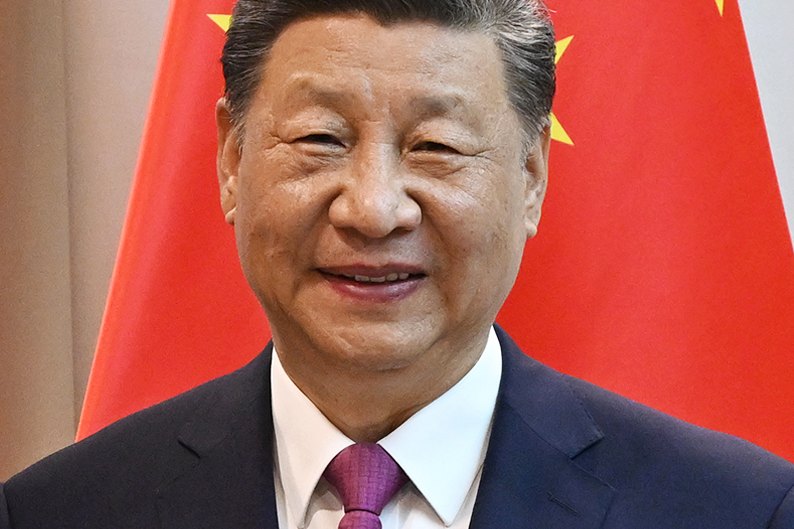
Xi Jinping chose the second day of the 18th BRICS Summit in New Delhi to make a case about unity. Speaking on Sunday, September 13, the Chinese president told delegates that with changes unseen in a century accelerating around the world, the collective rise of the Global South has become a key driver of multipolarity, Xinhua reported.
The landscape, he warned, is volatile and fraught with risks. To bring stability, BRICS countries “must seize the historical initiative, rally the Global South, and advance the well-being of all humanity.”
What he asked for
Much of the speech was addressed to how the international system runs. Xi urged Global South countries to defend the rule of law in international affairs and safeguard basic norms: sovereign equality, noninterference in internal affairs, and peaceful settlement of disputes. International law, he said, must apply to all, free from double standards.
He asked them to hold high the banner of multilateralism and back the UN’s authority and its reform. He called for World Trade Organization reform “in the right direction” and a better international financial architecture that gives developing countries more representation. He also pressed for people-centered development, the 2030 Agenda, joint security governance, better climate governance, and a consensus-based global framework for AI governance.
The five initiatives
Then came the concrete part. Xi proposed five initiatives for what he called “greater BRICS” cooperation, on AI, trade and investment facilitation, digital industry, intelligent manufacturing, and science and technology talent. “We should build incubators for innovation, upgrade traditional industries, develop emerging industries, and deploy future industries,” he said.
On AI, China will be a pioneer in setting up a BRICS AI open source community, back work on large language models, and hold seminars and training courses. On trade, it proposes a BRICS special economic zone partnership and will host a BRICS Forum on Trade in Services next year. A BRICS digital ecosystem cloud platform and digital skills training make up the third. China also offered to help build smart factories and develop standards. And for talent, it proposes a BRICS engineer cultivation alliance, with mutual recognition of competency standards, and a youth exchange program for scientific and technological innovation.
Voices outside the hall
Serik Korzhumbayev, editor-in-chief of the Delovoy Kazakhstan newspaper, said the initiatives give practical pathways in technology, industry, trade and talent. Charles Onunaiju, director of the Center for China Studies in Nigeria, called the cooperation “a solidarity that unlocks partnerships.” Rakhim Oshakbayev, director of the TALAP Center for Applied Research in Kazakhstan and a former Kazakh vice minister, said BRICS should keep seeking common interests, and noted that the grouping’s expansion had placed greater demands on internal coordination.




