
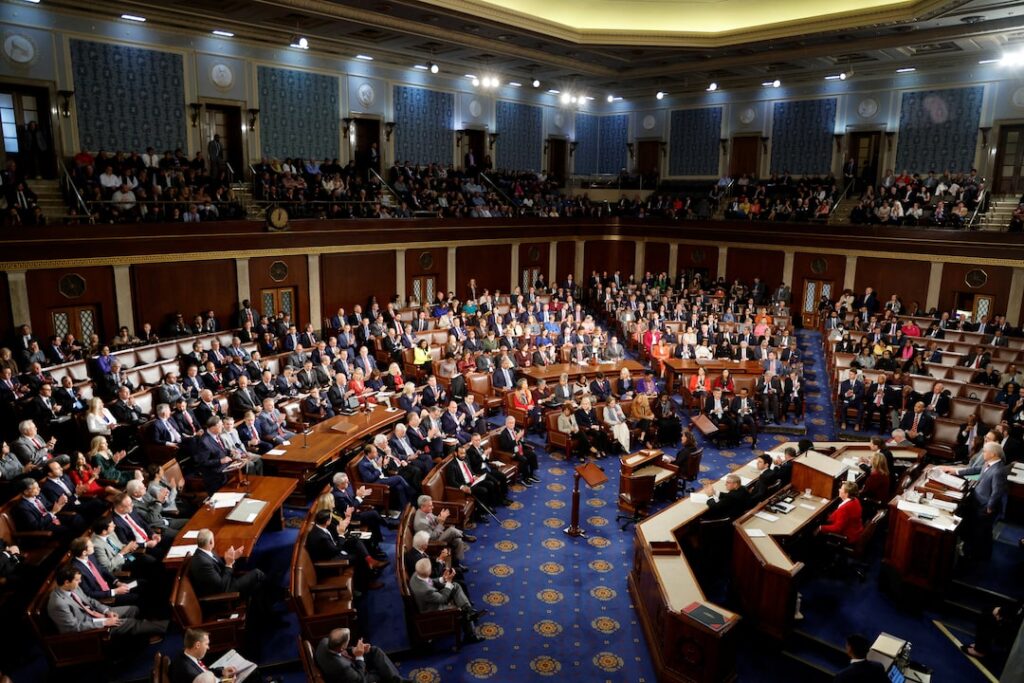
The House vote was 262 to 159. That is the number Moscow will study, because it sends the toughest Russia sanctions legislation of Donald Trump’s second term to the president’s desk. The Senate had already cleared it last month, 86 to 11. Trump has said he will sign.
The House passed the bill on Wednesday. Fifty-eight Democrats joined most Republicans in backing it; seven Republicans voted no. Congress renamed it the Lindsey O. Graham Sanctioning Russia and Iran Act of 2026, after the South Carolina Republican who introduced it in April 2025 and died suddenly on July 11. His sister, Senator Darline Graham, who was appointed to his seat, said of the vote: “This means so much to me, and it meant so much to Lindsey.”
What the bill reaches
The text goes after Russia’s energy and defense sectors, Vladimir Putin and other senior officials, and the shadow fleet of aging tankers Moscow uses to get around existing sanctions. It also extends Iran sanctions until 2031.
The sharpest tool is aimed at third countries. Trump gets authority to impose tariffs of up to 100% on nations that buy Russian oil and gas, with China and India the obvious targets. Senator Jeanne Shaheen, the senior Democrat on the Foreign Relations Committee, noted that China accounts for 51% of Moscow’s revenues among its five largest fossil-fuel customers. Strategically, that is the point: squeeze the buyers and you squeeze the Kremlin’s war budget.
Representative Michael McCaul of Texas, a lead House sponsor, put it bluntly. “This will hit them where it really hurts and will provide the leverage necessary to get Putin to the table,” he said.
A year of delay, and a Democratic split
The bill sat for more than a year. Trump prefers to keep tariffs and sanctions in his own hands rather than hand the decisions to Congress, and it moved only after he let Republican leaders head toward a vote in July. Clash Report said the White House later pressed House leaders to move it along.
The fight on the floor was less about Russia than about tariffs. Democratic leader Hakeem Jeffries opposed the bill and argued its waiver provisions could stop sanctions from being applied while widening the president’s tariff reach. “What this legislation will do is give Donald Trump, perhaps, unfettered authority to unleash tariffs on the American people,” he said. Representative Gregory Meeks of New York, the senior Democrat on Foreign Affairs, said it “hands President Trump broad new tariff powers” while allowing sanctions to be waived. Their argument: Trump already holds substantial sanctions powers. Some Republicans worried about higher consumer prices before the November midterms.
Ukraine lobbied hard the other way. President Volodymyr Zelensky urged lawmakers to pass it during a July visit to Capitol Hill, and said this week: “It is important that it becomes law.” His sanctions envoy, Vladyslav Vlasiuk, was in Washington this month meeting lawmakers and officials.
Senator Richard Blumenthal, a Democrat, spoke after the vote. “To the people of Ukraine, you are not alone,” he said, and addressing Putin: “Your economy is reeling. We’re going to throttle your war machine.”
Sources
- US Congress passes Russia sanctions bill
- US House Passes Sweeping Russia Sanctions Bill Championed by Lindsey Graham · Clash Report




