
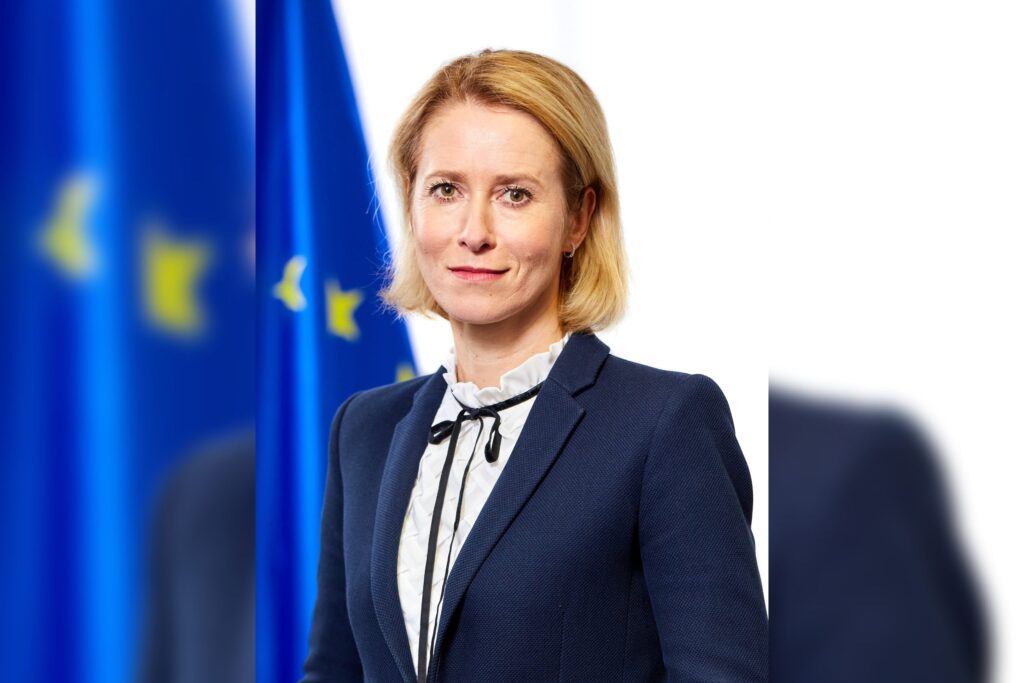
“If we take the example when Crimea was occupied, then it was very clear, it’s illegal, we don’t recognise this, which means that we stop the trade with any products that come from Crimea.” That was Kaja Kallas, the EU’s foreign policy chief, in an interview with The Irish Times on Friday. Her point: the bloc should handle Israeli settlements in the occupied Palestinian territories the same way.
“We should have the same principled stance,” she added. “You know this is illegal, everybody agrees, so we should stop trading with occupied [Palestinian] Territories.”
A ban that is mostly symbolic
Kallas said the EU cannot be taken seriously while its members stay split over how to respond to the Israeli government and to violent settlers. She urged capitals to back an EU-wide ban on trade with the settlements, which are considered illegal under international law. She conceded that the volume of that trade is relatively small. The weight of a ban, she argued, would be symbolic.
The Commission, she said, is under “very clear” pressure from national governments to propose such a ban on settlement products. European institutions also “get a lot of bashing” for not imposing sanctions on Israel over the war in Gaza.
The arithmetic in the Council
How the measure is framed matters. Introduced as an EU trade measure rather than a foreign policy decision, it would need a qualified majority of member states, not unanimity. Germany, Hungary, the Czech Republic and Slovenia currently oppose sanctions against Israel.
Kallas leaned on the Crimea precedent to show how the EU can treat goods from territory it does not recognize as belonging to the occupying power. After Russia annexed Crimea in 2014, the EU banned imports from the peninsula and imposed economic sanctions on Russia. Later rounds widened to arms, energy and technology exports.




