
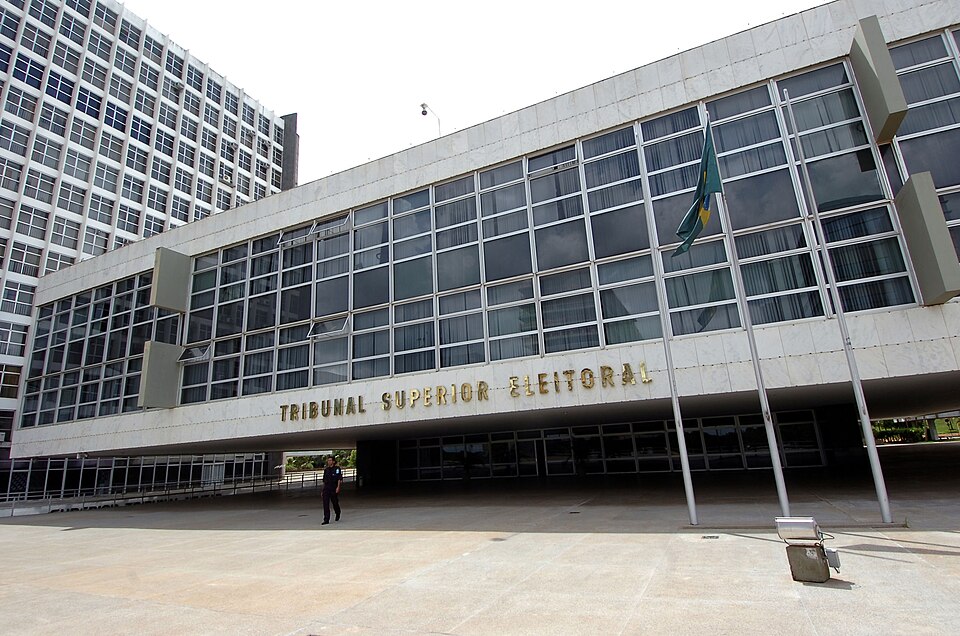
On Thursday, October 15, 2026, one judge on Brazil’s top electoral court told a company that owns Instagram, Facebook and WhatsApp how to treat two presidential candidates. If Meta fails to comply, the fine is 500,000 reais ($98,000) per day. That one order shows how much reach the Superior Electoral Court, known as the TSE, holds in Brazilian politics.
What the ruling said
The Associated Press reported that Justice Marco Aurélio Bellizze ruled after President Luiz Inácio Lula da Silva complained that Meta’s algorithms and AI limits favored his rival, Flávio Bolsonaro, in the run-up to the Oct. 25 runoff. Meta cannot reduce the distribution of political content, restrict searches or remove posts in a way that tilts the field between the two men. Its AI tool must also apply identical criteria to both candidacies. Meta had told the court on Oct. 11 that it rejects the accusation of bias and acts in full compliance with Brazilian electoral rules.
The race was tight. In the first round on Oct. 4, Bolsonaro, son of former President Jair Bolsonaro, took 47% of the vote against 45% for Lula.
Who sits on the court
The TSE has seven ministers. Three come from the Supreme Federal Court, two from the Superior Court of Justice, and two are jurists known for their legal knowledge, with deputies for each seat. Terms are limited. A minister serves two years and can be reappointed for two more, so four years is the maximum, as The Rio Times noted when the Supreme Court renewed Alexandre de Moraes’s seat in June 2022.
What it actually does
The Rio Times describes the TSE as the body that runs elections and judges candidacy disputes. Before anyone lands on a ballot, a court must approve the registration, and that approval can be challenged. For presidential candidates, challenges go to the TSE under Complementary Law 64 of 1990. Regional electoral courts handle senators, governors and federal and state deputies. A challenge must be filed within 5 days of publication of the registration request.
The Clean Record law, Complementary Law 135 of 2010, bars people convicted by a panel of judges from running, even while appeals go on, until eight years after the sentence is served. A candidate whose registration is still disputed on election day can campaign and appear on the ballot, but the votes count only if a higher court finally approves it. Even a win can be contested: a mandate may be challenged within 15 days of the ceremony where winners receive their certificates.
In May 2025 the TSE unanimously upheld a ban on a council candidate in Belford Roxo.
Sources
- Brazil's Lula wins electoral court challenge against Meta for alleged pro-Bolsonaro algorithm bias (Associated Press)
- TSE Candidate Vetting and Organized Crime (The Rio Times)
- Opinion: Supreme Court provokes further in Brazil's institutional conflict (The Rio Times)




