
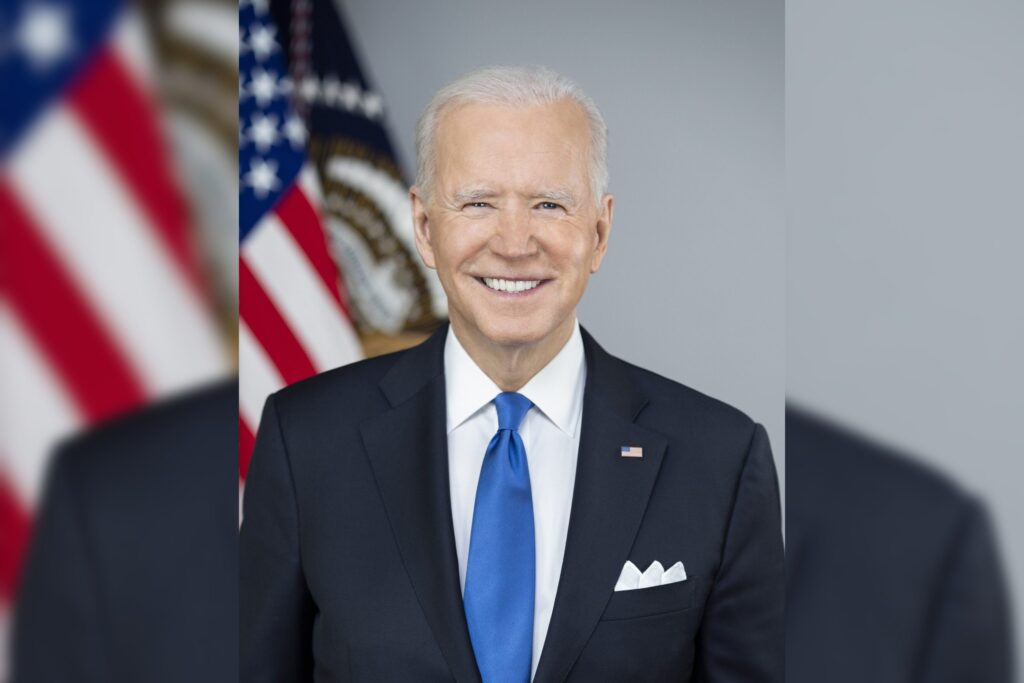
WASHINGTON, July 16 — The figure that matters: over $75 billion. That is the total in American aid Joe Biden has directed to Ukraine since Russia launched its full-scale invasion on February 24, 2022. By the numbers, it makes the Biden administration the single largest supplier of military and financial assistance to Kyiv during the war, a commitment that has reshaped NATO’s posture and drawn sharp debate in Washington.
Biden, now a former president, was born November 20, 1942, in Scranton, Pennsylvania. He served in the U.S. Senate from Delaware from 1973 to 2009, then as vice president under Barack Obama from 2009 to 2017.
He was elected president on November 3, 2020, and took office January 20, 2021. The Russian invasion came just over a year into his term.
The Ukraine response by the numbers
The over $75 billion aid package includes a sweeping array of military hardware: HIMARS rocket systems, Abrams tanks, and Patriot missile systems. Biden also signed the Lend-Lease Act for Ukraine on May 9, 2022, a mechanism that streamlined the delivery of military equipment by cutting bureaucratic red tape — a legislative echo of the World War II program that supplied Allied forces. On the economic front, the administration imposed sweeping sanctions on Russia, targeting its financial sector, energy exports, and defense industry.
Biden coordinated closely with NATO allies to enforce those measures, a transatlantic effort that investors will note has reshaped global energy markets and supply chains. The bottom line: Biden’s strategy rested on a dual track — arming Ukraine while squeezing Russia’s economy.
That approach has kept the war grinding into its fifth year, with no ceasefire in sight.
A historic visit to a war zone
On February 20, 2023, Biden made an unannounced visit to Kyiv. He became the first U.S. president to enter a war zone where no American troops were deployed. The trip was tightly guarded; the White House disclosed it only after Biden had left Poland and crossed into Ukraine by train.
He met with President Volodymyr Zelenskyy, walking the streets of the capital under air raid sirens. That visit was a signal of resolve.
It also carried risk: a single Russian strike could have killed a sitting American president. The administration deemed the message worth the danger.
Domestic priorities alongside the war
While Ukraine dominated foreign policy, the Biden administration pushed a domestic agenda focused on infrastructure, climate change, and the economy. Investors will note that those domestic policies, combined with the Ukraine aid, drove federal spending higher. As of July 2026, the U.S. administration has signaled a shift in Ukraine policy.
The over $75 billion in Biden-era aid is now a baseline — the question is whether future aid will continue, shrink, or halt. For investors, the key variable is European willingness to fill any gap.
NATO allies have increased their own defense spending, but no single country matches the U.S. contribution. The Lend-Lease authority that Biden signed remains law, but its use depends on the current administration. The bottom line: Biden’s Ukraine legacy is written in dollars and hardware.
The next chapter belongs to his successors.




