
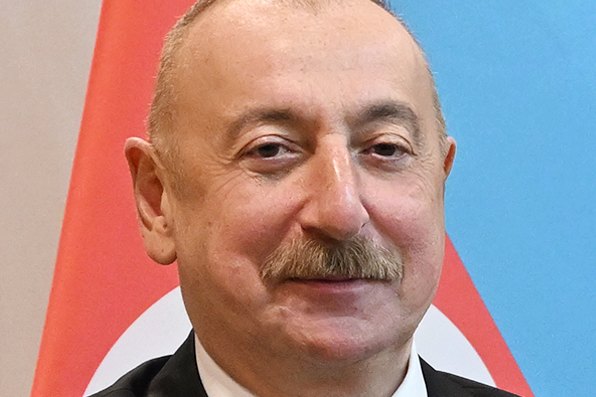
Ilham Aliyev, Azerbaijan’s president since 2003, has secured a fifth term following the February 7, 2024 election. The victory continues a tenure that began when he succeeded his father, Heydar Aliyev.
Under the Azerbaijani Constitution, the president holds extensive powers, serving as head of state, commander-in-chief, and the country’s sole representative in both foreign and domestic matters. The office provides immunity from prosecution. The Presidential Administration, a large executive body comprising secretaries and ministers, carries out his directives.
The Cabinet of Ministers oversees economic and social policy, while the Security Council advises on foreign, military, and judicial issues. This concentration of authority has remained unchanged for years.
The significance of this election extends beyond the result itself. Azerbaijan occupies a strategic position in the South Caucasus, a region marked by competing interests involving pipelines, ethnic tensions, and major powers. The country possesses substantial oil and gas reserves.
Western nations, including the United States, have historically viewed Baku as a partner. That relationship will face increased attention as Aliyev begins his new term.
The unresolved conflict with Armenia over Nagorno-Karabakh remains the most pressing issue. A 2020 war ended with a ceasefire mediated by Russia, resulting in Azerbaijan regaining territory. However, a final peace agreement has not been reached, and sporadic skirmishes continue.
Aliyev’s re-election could signal either renewed diplomatic efforts or a more rigid stance. Neighboring Iran, which shares a long border with Azerbaijan, monitors the situation closely due to concerns about ethnic Azeri nationalism and regional influence.
For Western observers, the central question involves alignment. Azerbaijan has carefully balanced relations with Russia, Turkey, and the West. The war in Ukraine has complicated this balancing act. Europe’s energy needs have elevated Baku’s importance.
At the same time, Aliyev has refrained from joining Western sanctions against Moscow, maintaining ties instead. The United States has been a key partner, but the relationship remains transactional, driven by oil and strategic location.
Human rights concerns and democratic setbacks have created tensions, issues that persist regardless of the election outcome. The election itself attracted criticism. International observers noted the absence of genuine opposition.
Aliyev’s main rivals either withdrew or were marginalized. The political environment in Azerbaijan offers limited space for dissent, with tight media controls and pressure on civil society.
The president’s victory was widely anticipated, and turnout was reported as high. Aliyev’s fifth term begins with these conditions in place. His administration will address Nagorno-Karabakh, energy deals, and relations with Iran and the West.
The structure of power remains consistent across terms, with the same institutions, advisors, and constitutional authority. What changes is the context: a shifting region, fluctuating energy markets, and alliances reshaped by the war in Ukraine.
Aliyev’s government will navigate these currents as it has for two decades—maintaining firm domestic control while carefully pursuing foreign opportunities.




