
Election Overview
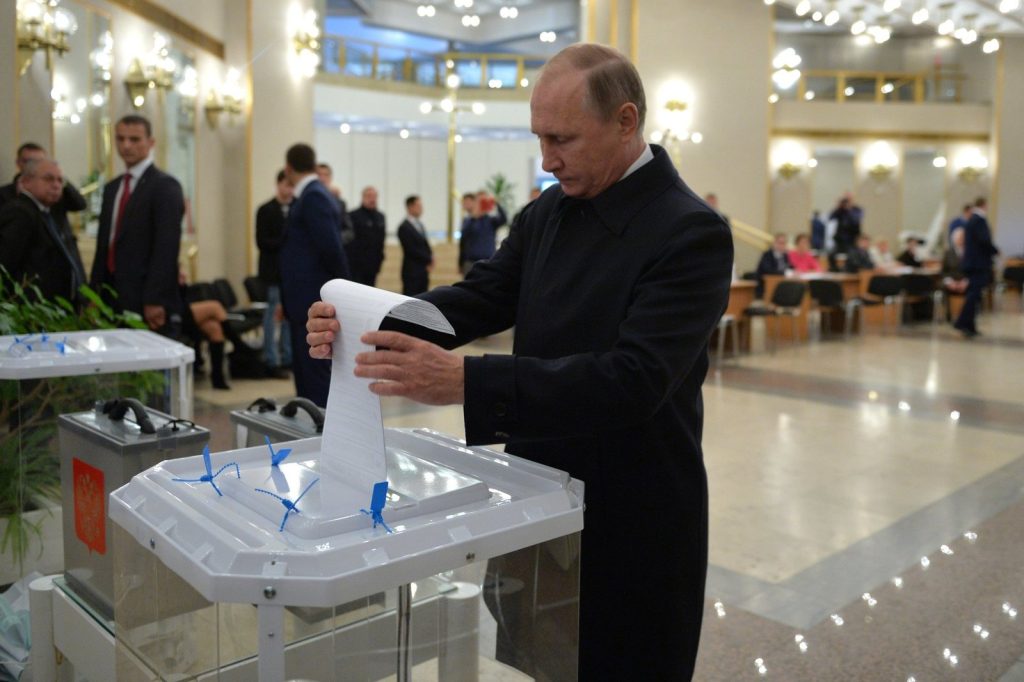
The presidential vote in Russia took place from 15 to 17 March 2024, marking the eighth time the country has held such an election. Incumbent Vladimir Putin secured victory with 88 percent of the ballots, earning a fifth term in office. Observers described the result as largely expected given the prevailing political environment.
Candidates and Campaign Developments
The race began to take shape in late 2023. Boris Nadezhdin, a former member of the State Duma and the first contender backed by a registered political party to announce his intention, declared his candidacy in November 2023.
He ran on an anti‑war platform. Shortly after, in December 2023, Putin confirmed his own bid, noting that the 2020 constitutional changes made him eligible for another run. Other politicians also entered the fray.
Leonid Slutsky represented the Liberal Democratic Party, Nikolay Kharitonov ran under the Communist Party banner, and Vladislav Davankov stood for the New People movement. Their involvement introduced a range of ideological perspectives to the ballot.
Exclusions and Historical Context
Not every aspirant who expressed interest was allowed to compete. The Central Election Commission barred several individuals, a move that echoed the 2018 contest when the most prominent opposition figure, Alexei Navalny, was prevented from participating due to a prior criminal conviction. The recurrence of such exclusions has prompted discussion about the openness of the electoral system and the obstacles faced by opposition candidates.
Outlook After the Vote
With Putin’s victory secured, attention shifts to what the outcome means for Russia’s trajectory. His fifth term suggests he will remain a central figure in national politics. At the same time, the presence of multiple contenders, despite some being sidelined, underscores the variety of viewpoints that exist within the electorate.
The inauguration of the president is anticipated in the coming weeks, ushering in the start of the new presidential term. Analysts will be watching how the administration addresses pressing matters such as economic performance, foreign relations, and domestic policy.
The election offers a snapshot of the current political climate, and the evolution of these issues over the months and years ahead will be closely observed.




