
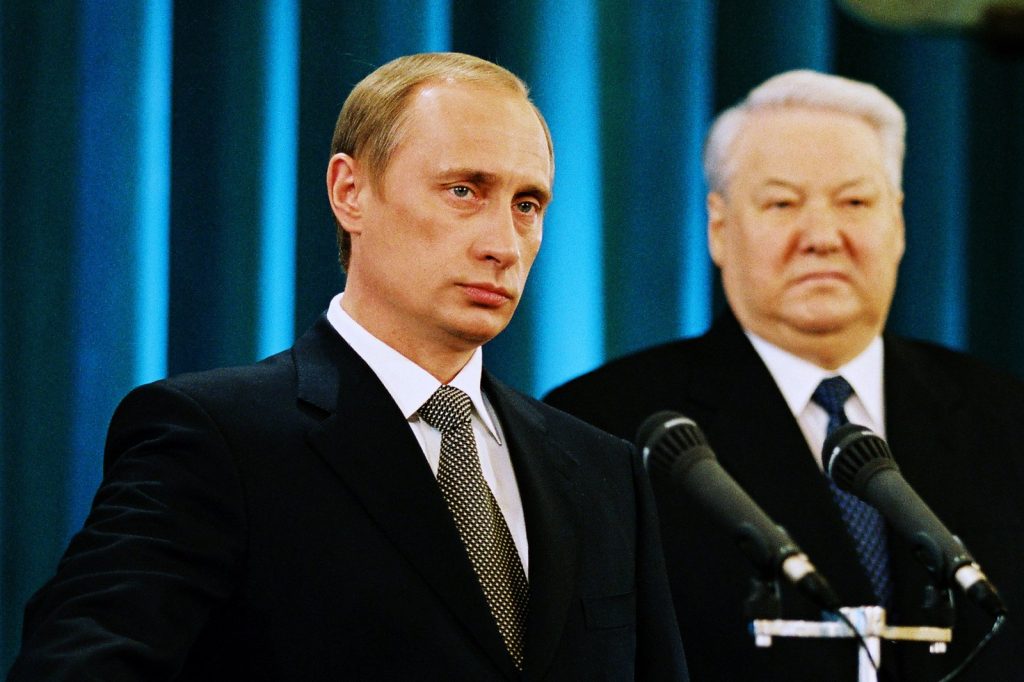
Moscow – The final count of ballots from Russia’s three‑day presidential election, completed on 17 March 2024, confirmed a result that had been virtually predetermined months earlier. Incumbent President Vladimir Putin received 88 percent of the vote, securing his fifth term in office. The election, held from 15 to 17 March, was the eighth presidential contest since the dissolution of the Soviet Union.
While the outcome was widely anticipated, the certainty stemmed not from recent polling but from structural changes to the Russian political system that have accumulated over the past two decades. The decisive factor was the set of constitutional amendments adopted in 2020.
Those changes reset the presidential term limits, allowing Putin to run again in 2024 and potentially once more in 2030. Without the amendment, the 2020‑2024 term would have been his final one; the amendment extends the possibility of his rule until 2036. Putin announced his candidacy in December 2023, relatively late in the campaign calendar.
The formal election season had begun a month earlier, when former State Duma deputy Boris Nadezhdin declared his intention to run. Backed by a registered party, Nadezhdin was the first challenger to enter the race and campaigned on an anti‑war platform—a rare stance given the legal risks attached to public opposition to the war in Ukraine.
Subsequent candidates included Leonid Slutsky of the Liberal Democratic Party, Nikolay Kharitonov representing the Communist Party, and Vladislav Davankov of the New People party. On paper the ballot featured a range of party affiliations, yet none of these contenders posed a credible threat to the incumbent. Crucially, the Central Election Commission (CEC) barred several individuals from registering as candidates.
The report on the election does not list the names of those excluded or the specific reasons for each denial, but it notes that such disqualifications are not new. In the 2018 presidential election, prominent opposition figure Alexei Navalny was prevented from running after the CEC cited a prior criminal conviction, establishing a precedent for limiting opposition participation.
The 2024 ballot ultimately listed only four candidates, three of whom belong to parties that have historically co‑operated with the Kremlin. The fourth, Nadezhdin, was excluded by the CEC, and the election proceeded without his participation. Putin’s 88 percent share of the vote, therefore, aligned with an established pattern: a dominant incumbent, a marginalised opposition, and a tightly managed electoral process.
Observers noted that the election reinforced a broader narrative of power consolidation in Russia, where constitutional revisions, candidate disqualifications, and predictable outcomes intertwine. While the vote itself was a formal exercise in democratic procedure, analysts view it as the latest chapter in a longer trajectory of centralized authority.
The 2020 constitutional amendments, the systematic barring of certain candidates, and the overwhelming victory all contribute to a continuity that has defined Russian presidential politics for years.




