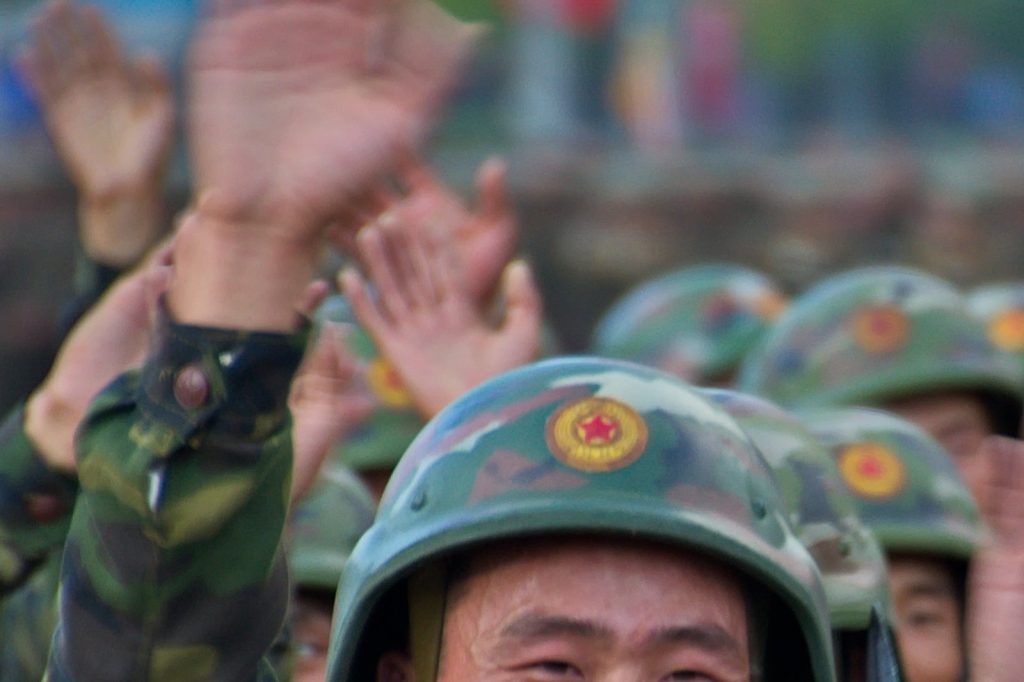
CITY, August 21 — The deployment of North Korean troops to Russia marks a sharp shift in the military calculus of both Pyongyang and Moscow, though details remain sketchy. Ukrainian intelligence reports, cited by outlets including RBC-Ukraine and CNN, suggest 8,500 North Korean soldiers — including 400 drone operators — are now in Russia’s Kursk region. These forces, Ukrainian officials claim, are aiding Moscow’s operations there.
The scale is significant but not unprecedented in the broader context of the war. Still, the inclusion of drone specialists suggests a tactical leap: North Korea is not just sending bodies but technical expertise, which could reshape frontline dynamics.
What’s changing here isn’t just the number of troops but the nature of their role. Drone operators, trained in a country known for its missile programs, might offer Moscow a new edge in reconnaissance or strike coordination. Ukrainian reports don’t specify where exactly in Kursk these forces are deployed or when they arrived, but the mere presence signals Moscow’s growing reliance on non-Russian military assets.
This isn’t just about filling ranks; it’s about augmenting capabilities in a war where manpower alone isn’t enough.
North Korea’s Growing Footprint in the War
It’s worth noting that these reports haven’t been independently confirmed. Russia and North Korea have remained silent, and no Western military has publicly verified the presence of North Korean forces. This lack of transparency complicates assessments.
Yet, Ukrainian intelligence has consistently flagged such developments, and multiple outlets have echoed their claims. The consistency of these reports — across RBC-Ukraine, Ukrainska Pravda, and others — lends them a degree of credibility, even without direct confirmation.
For context, 8,500 troops may seem modest compared to Russia’s overall force in Ukraine, but the inclusion of 400 drone operators changes the calculus. Drones can shift the balance in specific scenarios, enabling precision strikes or real-time intelligence. This isn’t just about numbers; it’s about how those numbers are deployed.
A few hundred skilled operators could have a disproportionate impact on battlefield outcomes, especially in a region like Kursk, where control of territory is fluid.
The Wider Implications of a Pyongyang-Russia Axis
What’s next? The situation remains fluid. If Moscow does push for the 50,000 additional troops, it could strain North Korea’s already stretched military.
Alternatively, the current deployment might be a test — a way for both sides to gauge the effectiveness of their collaboration. Either way, the inclusion of drone operators suggests this isn’t a one-off move.
The trend underneath is a deepening militarization of North Korea’s foreign policy, with implications that extend far beyond the current conflict. For now, the focus should be on verifying these claims. Without independent confirmation, it’s hard to gauge the full scope of this deployment.
But one thing is certain: the military relationship between Russia and North Korea is evolving, and its trajectory could have lasting consequences for the war in Ukraine and beyond. Watch this space — the next move could redefine how this conflict unfolds.