
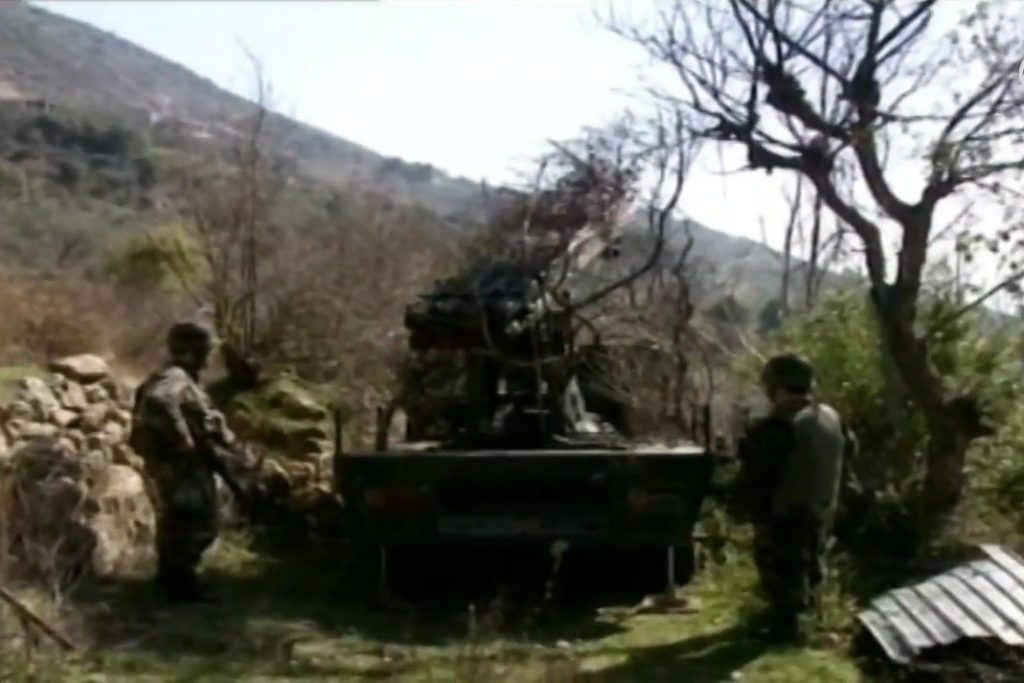
TEHRAN, July 19 — The term “Axis of Resistance” sounds like something out of a spy thriller — but for Iran, it’s a real-world network designed to push back against U.S. and Israeli influence across the Middle East. Think of it like a game of chess where Iran doesn’t move its own king directly; instead, it deploys allied governments and proxy groups across the board. That forward-defense strategy lets Tehran project power and retaliate without ever putting its own soldiers in the line of fire.
The network isn’t just one group. It includes Iran itself, Syria, Hezbollah in Lebanon, Palestinian factions like Hamas and Islamic Jihad, Houthi rebels in Yemen, and an array of Shia militias in Iraq.
What ties them together is coordination through Iran’s Islamic Revolutionary Guard Corps Quds Force — the same elite unit that once operated under General Qasem Soleimani until his killing by the United States in 2020.
How the Axis operates
When the U.S. took out Soleimani, the Axis didn’t fold. Iran responded with direct missile strikes against American bases in Iraq, and proxy attacks escalated — a demonstration that the network could strike back. Three years later, during the 2023 Israel-Hamas war, the Axis cranked up operations again.
This is a network built to react in concert. Practical examples: Iran supplies the Houthis with drones and missiles that the rebels now use to target commercial shipping in the Red Sea.
Meanwhile, Hezbollah in Lebanon has rockets aimed at Israel. The U.S. response to a March 2023 attack on a base in Syria fits a longer pattern of airstrikes meant to degrade Axis infrastructure wherever it pops up.
The bigger picture
The Axis doesn’t just complicate military planning. It also throws a wrench into diplomacy and economics. Iran is under heavy sanctions, and oil market volatility — partly driven by threats to tanker traffic — adds pressure.
For Israel, the presence of rockets on its northern border and proxy forces on other fronts makes security feel like a constant balancing act. Nuclear negotiations with Iran?
The Axis creates leverage for Tehran at the table, but also makes any deal more fragile. What happens next depends on how the Axis evolves. If Iran gains or loses influence in Syria and Iraq — two key theaters — that shifts the whole network’s reach.
The U.S. continuing to strike proxy targets would signal it isn’t backing down. The entire trajectory of U.S.-Iran relations, in fact, hinges on this web of alliances and proxies.
For the average reader, the practical upshot is this: as long as the Axis exists, a low-boil conflict across the Middle East is likely to stay on the menu — and that can affect everything from energy prices to the safety of shipping lanes half a world away.




