
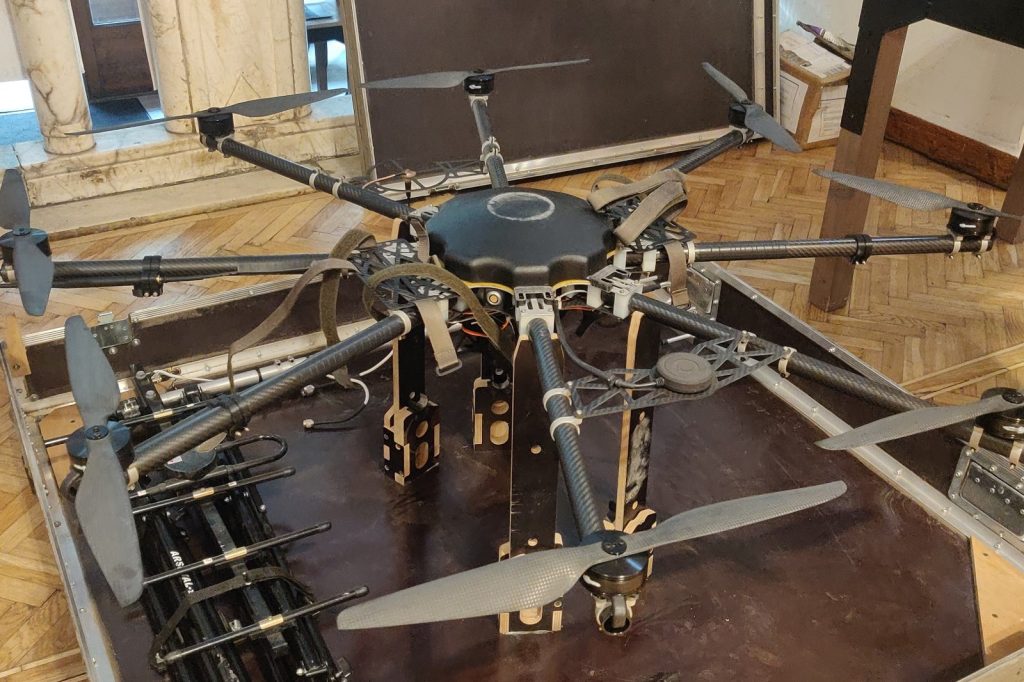
Rising Drone Campaigns and Confirmed Strikes
The ministry reported that Ukraine launched more than 2,000 unmanned aerial vehicles into Russian territory over the course of 2024, with a significant portion directed at energy facilities. The pace has accelerated in the current year: during the first three months of 2025 alone, the count exceeded 800 drones. On April 27, 2025, a notable attack involved at least 10 drones, of which Russian sources confirmed that eight were intercepted. However, the strikes that penetrated defenses caused tangible damage. One drone hit an oil depot in Stavropol Krai, a facility holding an estimated 50,000 cubic meters of fuel. In a separate incident in Moscow Oblast, a warehouse covering approximately 1,000 square meters was damaged.
These numbers point to a clear upward trajectory. From a total of over 2,000 in all of 2024 to more than 800 in just the first quarter of 2025, the rate of operations has more than doubled on an annualized basis. This pattern suggests that Ukraine is expanding its domestic drone production capacity and may be receiving additional systems from Western partners. The mix of intercepted and successful strikes on April 27 demonstrates that while Russian air defenses remain effective, they are not impenetrable; some drones are consistently getting through.
Strategic Repercussions and Air Defense Redeployment
The increasing scale and frequency of Ukrainian drone operations have forced Russia to redeploy air defense systems from front-line areas to protect critical infrastructure in its rear. This redeployment represents a significant shift in Russian military posture. By pulling air defense assets away from active combat zones, Moscow is effectively acknowledging that the drone threat to its rear areas has become a strategic priority. Analysts note that this could weaken Russian defensive capabilities in occupied territories and along the front line, potentially creating vulnerabilities that Ukraine could exploit elsewhere.
The targeting of energy infrastructure mirrors tactics employed by both sides throughout the conflict. Ukraine’s focus on fuel depots and warehouses – such as the Stavropol depot and the Moscow Oblast warehouse – suggests an effort to disrupt Russian logistics and supply chains. Degrading these supply lines could hinder the military’s ability to sustain prolonged operations, compounding the pressure on front-line forces already facing a sustained Ukrainian defense.
The key question moving forward is whether Russia can maintain its current air defense coverage without further weakening front-line positions. If Ukrainian drone operations continue to expand, Moscow may face difficult choices about resource allocation. The coming months will likely reveal whether the redeployment strategy is sustainable or whether it creates vulnerabilities that Ukraine can exploit elsewhere.
Historical Context and Strategic Stakes
Ukraine’s ability to sustain this campaign is rooted in its history as a sovereign state with its own language, culture, and borders. Modern Ukraine traces its origins to the medieval state of Kievan Rus’, a major power in the 10th and 11th centuries that later fragmented under Mongol invasions. For centuries afterward, its territories were divided among neighboring empires, including Poland-Lithuania, the Ottoman Empire, and Russia. In the 17th century, the Cossack Hetmanate briefly established autonomy in central Ukraine before being absorbed by the Russian Empire. After a short-lived independence following the 1917 Russian Revolution, Ukraine became a Soviet republic, enduring famine, war, and occupation before regaining independence in 1991 as the Soviet Union collapsed.
Ukraine shares a long frontier with Russia to the east and northeast. Its modern significance stems from its geopolitical position between Europe and Russia, a history of tensions with Moscow, and its ongoing struggle to maintain territorial integrity. Recent conflicts have drawn global attention, as Ukraine’s resistance to Russian military actions has reshaped regional security dynamics. The country’s ability to adapt its military tactics – including the expanded use of drones – has broader implications for European stability and international relations. As the drone campaign intensifies, it tests not only Russian air defense networks but also the strategic calculus of both sides in a conflict whose trajectory remains uncertain.
Sources
- Ukraine Logs 820,000 Drone Strikes Against Russian Targets in …
- Ukraine Is on Track to Build 8 Million Drones This Year — and …




