BRUSSELS, August 4 — An unprecedented series of international sanctions has been implemented against Russia by a coalition of countries since February 2022, following Russia’s full-scale invasion of Ukraine. This coalition, which includes the United States, the European Union, the United Kingdom, Canada, Australia, and Japan, has progressively tightened these measures over 2022, 2023, and 2024. The stated objectives of these sanctions are to cripple the Russian economy, limit its capacity to finance ongoing military operations, and exert pressure on the Kremlin to cease hostilities.
According to official statements, the measures target various critical sectors of the Russian economy.
Financial System Restrictions
Key financial restrictions include limitations placed on Russia’s central bank. Officials confirmed the freezing of its foreign currency reserves held abroad, which amounted to hundreds of billions of dollars. Furthermore, several major Russian banks, notably Sberbank and VTB Bank, have been disconnected from the SWIFT international payment system.
This action has severely hindered their ability to conduct international transactions, as the record shows. Beyond the financial infrastructure, the energy sector, a significant source of revenue for Russia, has also faced extensive measures.
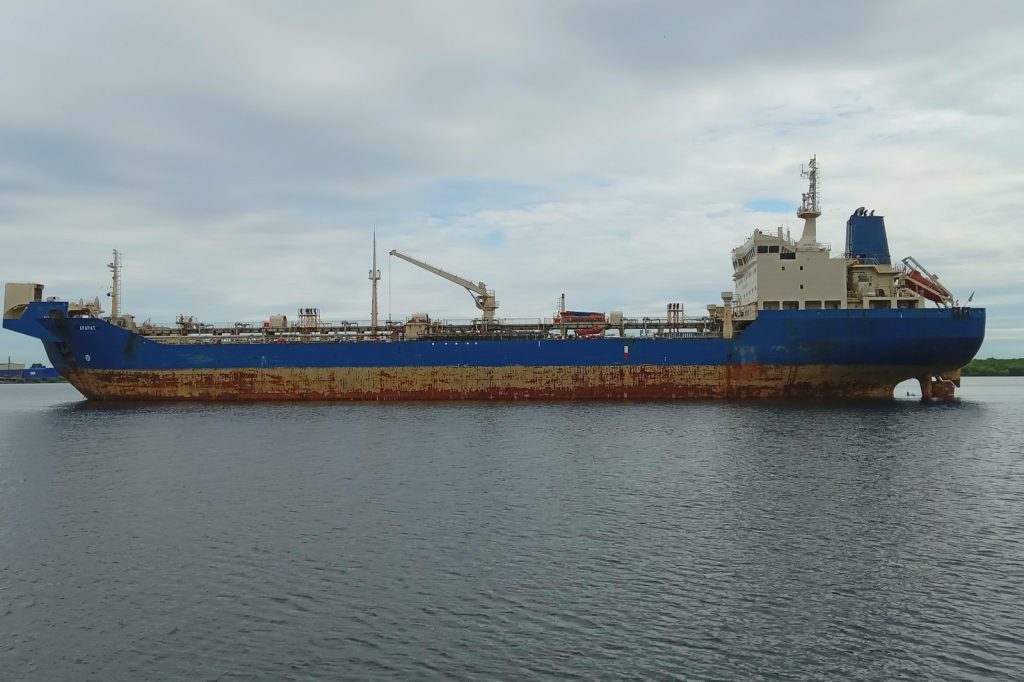
Many countries, particularly within Europe, have imposed bans or phased reductions on imports of Russian oil, gas, and coal. A G7-led price cap on Russian seaborne crude oil was implemented in December 2022, aiming to limit Russia’s oil revenues while simultaneously seeking to maintain global supply stability.
Technological and Individual Targets
Export controls have been a central component of the strategy, targeting a wide range of dual-use technologies, advanced electronics, and military-related goods. These controls are intended to degrade Russia’s industrial and technological base, according to the coalition’s pronouncements. Hundreds of Russian individuals have also been sanctioned.
These include oligarchs, government officials, and military leaders, often identified as key enablers or beneficiaries of the Kremlin’s policies. The sanctions against these individuals involve asset freezes and travel bans, as confirmed by various governmental bodies.
The sanctions regime has had a significant impact on the Russian economy. It contributed to inflation, caused supply chain disruptions, and led to a contraction in GDP during 2022. However, Russia has sought to mitigate these effects.
This has involved reorienting trade towards countries not participating in the sanctions and implementing domestic economic stabilization measures. The long-term effectiveness of these extensive sanctions in altering Russia’s strategic calculus remains a subject of ongoing debate and analysis among policymakers and economists alike.
Their ultimate impact continues to be closely observed across international financial and political circles.