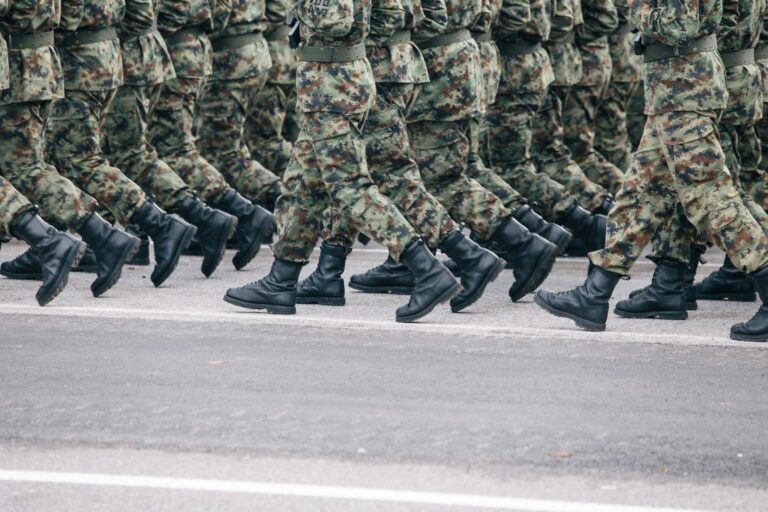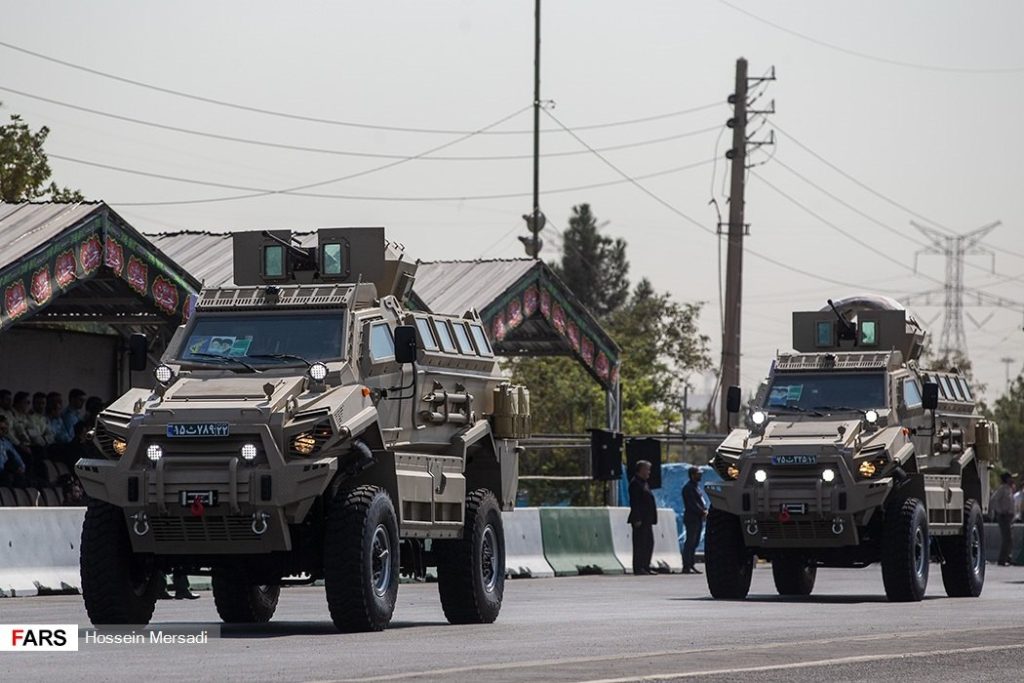
TEHRAN, July 21 — Since its founding on April 22, 1979, by Ayatollah Khomeini, the Islamic Revolutionary Guard Corps has operated as a military force that answers directly to Iran’s supreme leader, standing apart from the country’s regular armed forces. It controls the nation’s strategic weapons programs — ballistic missiles, drones, and nuclear security — and its estimated 125,000 active personnel serve under separate ground, air, and naval branches. For families across Asia, the reach of the IRGC touches more than headlines.
The corps’ Quds Force, commanded from 1998 until 2020, has long overseen operations beyond Iran’s borders, supporting allied groups in Iraq, Syria, Lebanon, and Yemen. Its current commander continues those extraterritorial missions.
The U.S. designated the IRGC a terrorist organization in April 2019, a move echoed by several other countries.
Missiles and Drones That Cross Borders
The IRGC Aerospace Force manages an arsenal that includes the Shahab-1, with a range of 300 kilometers; the Shahab-3, which reaches 1,000 kilometers; the Emad, capable of 2,000 kilometers; and the hypersonic Fattah, first revealed in June 2023. These weapons place targets across the Middle East and parts of Asia within striking distance. The Shahed-136 one-way attack drone — produced by the IRGC and used in Ukraine and against Saudi Arabian oil facilities — has demonstrated how the corps can disrupt energy supplies that power Asian economies.
When Saudi oil infrastructure was hit, global prices spiked, and importing nations felt the impact.
Economic Grip and Sanctions Evasion
Major General Hossein Salami has commanded the IRGC since 2019. The corps’ budget is not fully public but has been estimated at $10–15 billion annually, with revenues flowing from construction projects and sanctions evasion. It controls key sectors of Iran’s economy.
The IRGC Navy operates small fast-attack craft in the Persian Gulf, a narrow waterway through which a fifth of the world’s oil passes. Any confrontation there directly affects shipping routes vital to Asian nations.
Ongoing Operations
In the current crisis, the IRGC has conducted multiple drone and missile strikes against U.S. assets and Israel-linked targets. These actions ratchet up tensions across a region where millions of Asian expatriates work, and where energy and trade routes feed into the daily lives of communities across Asia. What comes next will depend on how far Tehran is willing to push its parallel military machine, and how its adversaries respond.
For countries across Asia that rely on stable seas and steady oil prices, the trajectory of the IRGC is not an abstract security question — it is a factor that shapes the cost of living, the safety of shipping lanes, and the balance of power closer to home.