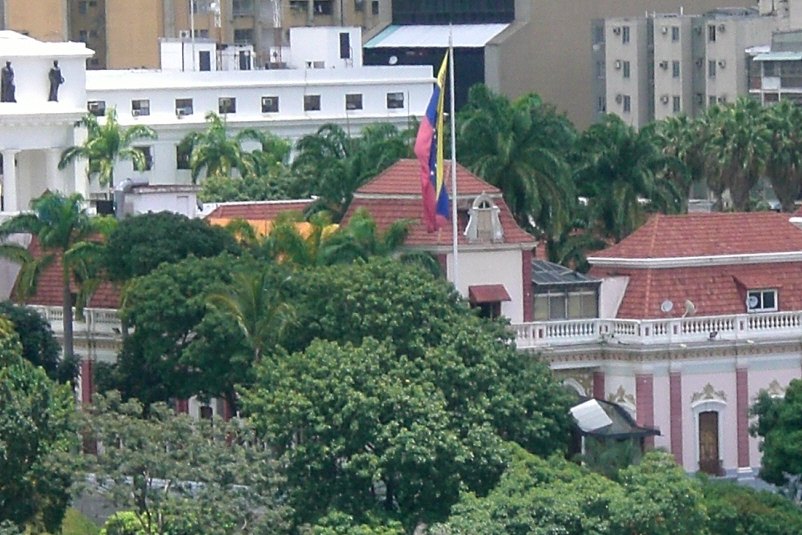
Just after 2 a.m. local time on January 3, 2026, explosions were reported across northern Venezuela. US forces were bombing infrastructure to suppress air defenses while an apprehension force went after President Nicolás Maduro’s compound in Caracas. By the end of Operation Absolute Resolve, Maduro and his wife, Cilia Flores, were in American custody and on their way to New York.
The Raid and Its Cost
Approximately 80 people died, Venezuelan and Cuban military personnel and civilians among them, and seven American soldiers were wounded. Venezuelan officials said at least 23 of their security officers were killed. Cuba said 32 members of its military and intelligence services died. Maduro and Flores were indicted on drug trafficking charges and pleaded not guilty.
The Trump administration called the operation a law-enforcement action with military support, citing the president’s “inherent constitutional authority.” Vice President Delcy Rodríguez denounced what she called Maduro’s kidnapping. UN officials and international law experts said the raid violated the UN Charter and Venezuela’s sovereignty. Elsewhere the Venezuelan diaspora celebrated, and protests against the attack followed.
Who Runs Venezuela Now
The Venezuelan government stayed in place. Rodríguez was sworn in as acting president on January 5, and multiple political prisoners, foreigners among them, were released in the months after. By February the two countries had restored diplomatic relations and the US embassy in Caracas reopened for the first time since 2019. Under Secretary of State Marco Rubio, the State Department has exercised control over core areas of Venezuelan governance: domestic finances, government appointments, revenues, foreign policy and the distribution of natural resources.
Oil was a core motive, according to reporting. Washington announced a 50-million-barrel supply deal with the remaining Venezuelan government and received the first $300 million on January 20. On January 29 a new law handed private companies control over oil production and sales, while the US lifted sanctions on Venezuelan oil trade.
A Bet on the Raid
The operation also left a second story. In April, federal prosecutors in Manhattan charged Master Sgt. Gannon Ken Van Dyke, 38, an Army Special Forces noncommissioned officer assigned to U.S. Army Special Operations Command. They say he used sensitive information about the raid to place about $33,000 in wagers on Polymarket, the last of them hours before it began. According to the federal complaint, the positions paid out more than $400,000. Van Dyke pleaded not guilty and was released on a $250,000 bond. He has moved to dismiss, arguing such bets are not a crime. A federal judge has tentatively set trial for December 7, which would make it the first US prediction-market insider case to go to trial.
Hegseth’s Order
On October 20, Defense Secretary Pete Hegseth issued a memo to senior Pentagon leaders, combatant commanders and Defense agency directors. It bars personnel from using nonpublic information, classified or not, to bet on any financial platform, and names Polymarket and Kalshi as examples. Violators face administrative, disciplinary or criminal action under the Uniform Code of Military Justice or federal law.
The memo gives two reasons. A service member’s wager on a military outcome creates a signal that hostile intelligence services can aggregate and exploit to anticipate US movements, targets and timing. And money riding on an outcome can warp judgment: “A logistician with money riding on a strike date has an interest in that date.” Hegseth called that precisely the kind of dilution of the warrior ethos the department has strived to eradicate. A bipartisan group of lawmakers had urged such a ban in a May letter.
The Anti-Corruption Data Collective notes that every Polymarket trade settles on a public blockchain in real time, so an insider is effectively broadcasting information to adversaries. The group found 152 suspicious accounts that together won about $8 million on military and defense contracts. Longshot bets on those markets paid off 52 percent of the time. Reuters reported that Polymarket has referred dozens of potential insider cases to the Justice Department.
Sources
- 2026 United States intervention in Venezuela
- Threatening Criminal Action, Hegseth Says Bets on Polymarket and Kalshi Tip Off Enemy
- Hegseth Bars Pentagon Bets on Operations, Warning of Signals Exploited by Enemies | SOFX
Photo: Guillermo Ramos Flamerich (CC BY-SA 3.0)