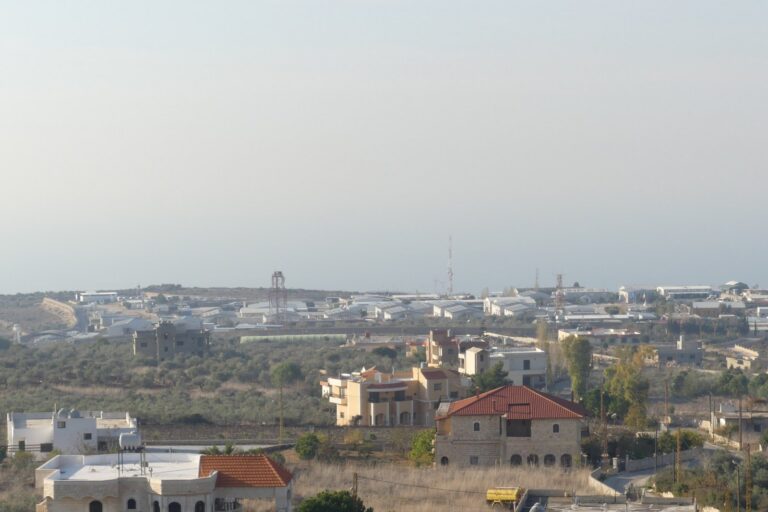
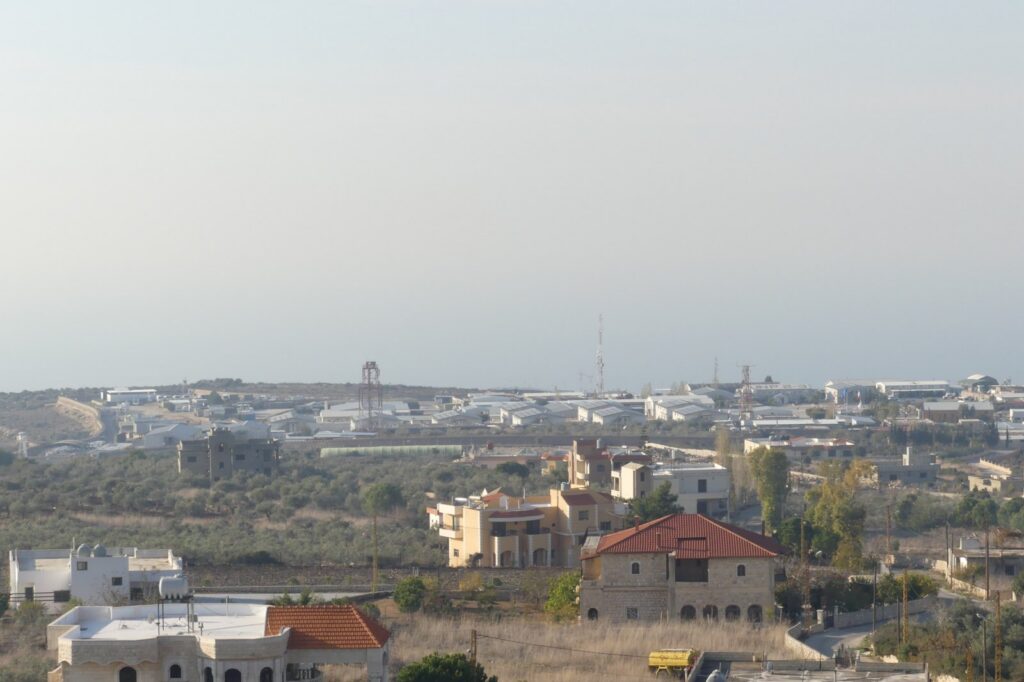
NAQOURA, November 27, 2026 — The United Nations peacekeeping force that has monitored the Blue Line between Lebanon and Israel for nearly five decades is set to end its mandate on December 31, leaving the border’s sole international verification mechanism without a successor. The UN Security Council voted last year to terminate the mission, bowing to demands from Washington and Jerusalem, and no replacement mandate has been agreed upon.
The Verification Mechanism Collapses
The Blue Line was established by the UN in 2000 to verify Israel’s withdrawal from southern Lebanon. Since the 2006 war, UNIFIL has served as the only international body tasked with monitoring that line and reporting violations under Resolution 1701. In October alone, peacekeepers documented roughly 2,840 Israeli artillery rounds, 870 air violations and 90 observed airstrikes, according to the mission’s spokesperson Kandice Ardiel.
UNIFIL’s authorized strength grew to 15,000 troops under Resolution 1701, which also required the area between the Litani River and the Blue Line to be free of non-state weapons and armed personnel. That weapons-free zone was never established in the two decades since the resolution passed. Former Prime Minister Fouad Siniora and former President Michel Sleiman told Alhurra that competing viewpoints in Lebanon’s fragile coalition governments prevented a clear decision on disarming militias, leaving weapons depots unaddressed.
UNIFIL commander Maj. Gen. Diodato Abagnara has stated plainly that the mission’s mandate is not to disarm Hezbollah but to support the Lebanese Armed Forces in extending state authority. Seven peacekeepers were killed and 32 wounded during the 2026 escalation, incidents the UN attributed in part to the Israeli military and in part to non-state armed groups believed to be Hezbollah.
Israeli Forces Remain, Lebanese Army Lacks Independent Capacity
Israeli forces remain present in parts of southern Lebanon, with ongoing artillery fire and airstrikes continuing to affect communities and delay the return of displaced people. President Joseph Aoun has warned of a security vacuum and of placing the Lebanese Armed Forces in direct contact with Israeli forces without an international buffer.
Pilot programs tasking the LAF with keeping designated areas free of Hezbollah have failed, according to US, Israeli and Lebanese assessments reported by JNS. The trilateral framework agreement signed in Washington on June 26 ties Israeli withdrawal to verified disarmament of armed groups outside the state — the same goal Resolution 1701 set twenty years ago.
Private Contractors Proposed as Alternative
The United States and Israel agreed not to extend UNIFIL operations, citing mission failure. France continues to advocate extending the force under a revised mandate, a position backed by the UN and Lebanon but opposed by Washington.
As an alternative, a leading proposal under consideration involves deploying international private security contractors to assume responsibility for areas vacated by Israeli forces. The arrangement remains conceptual. A diplomatic source told JNS that if contractors can be found willing to operate in the complex environment and prove effective, the model could eventually expand to additional areas and enable further Israeli withdrawal.
Negotiations are unlikely to resume before Israel forms a new government and the future of US-Iran talks becomes clearer, according to a Lebanese official source cited by Lebanon Files. UNIFIL’s 7,500 peacekeepers are scheduled to begin a gradual drawdown on January 1, 2027, with withdrawal continuing throughout the year.
Sources
- UNIFIL continues its work as communities face ongoing challenges in south Lebanon | United Nations Peace Operations
- After UNIFIL: Hezbollah, State Porosity, and the Limits of Security Assistance in Lebanon
- US, Israel weigh private security contractors to replace UNIFIL in Southern Lebanon
- Who will fill the UNIFIL gap in South Lebanon?
- UN peacekeepers are preparing to leave southern Lebanon. There's no plan for what comes next – Newsday
- Lebanon’s Former Leaders Tell MBN Why UN Resolution 1701 Failed | Alhurra
Photo: RomanDeckert (CC BY-SA 4.0)