Ukrainian forces have struck more than two million Russian targets with unmanned aerial vehicles in the first eleven months of 2026, a tempo that has accelerated each month and now far exceeds the pace of any diplomatic cease‑fire mechanism. The volume of verified strikes, logged in Ukraine’s DELTA combat system and checked by specialists from the Brave1 defense cluster, has turned drone warfare into the primary driver of battlefield change while negotiators still search for an off‑ramp.
Scale of UAV Strikes in 2026
According to a November 19 statement from Ukraine’s Ministry of Defense, Ukrainian drone units recorded approximately 105,800 successful strikes in January and 105,300 in February. The figure rose to 157,200 in March and 160,730 in April, then climbed to 181,128 in May and 200,220 in June. Summer months brought further increases: 226,370 in July, 252,460 in August, 255,930 in September and a peak of 257,264 in October. October’s tally was nearly 2.5 times the January figure. Between November 1 and 17, an additional 97,690 verified strikes pushed the yearly total past two million.
The ministry said more than 320,000 Russian servicemen have been killed or seriously wounded by these UAV attacks since the start of the year. Targets include air‑defence systems, electronic warfare and reconnaissance equipment, armored vehicles, motor vehicles and motorcycles, boats, ground‑based robotic systems, command posts and supply warehouses. On November 18 alone, the General Staff of the Armed Forces of Ukraine reported 1,970 Russian personnel eliminated.
How Drone Technology and Tactics Have Evolved
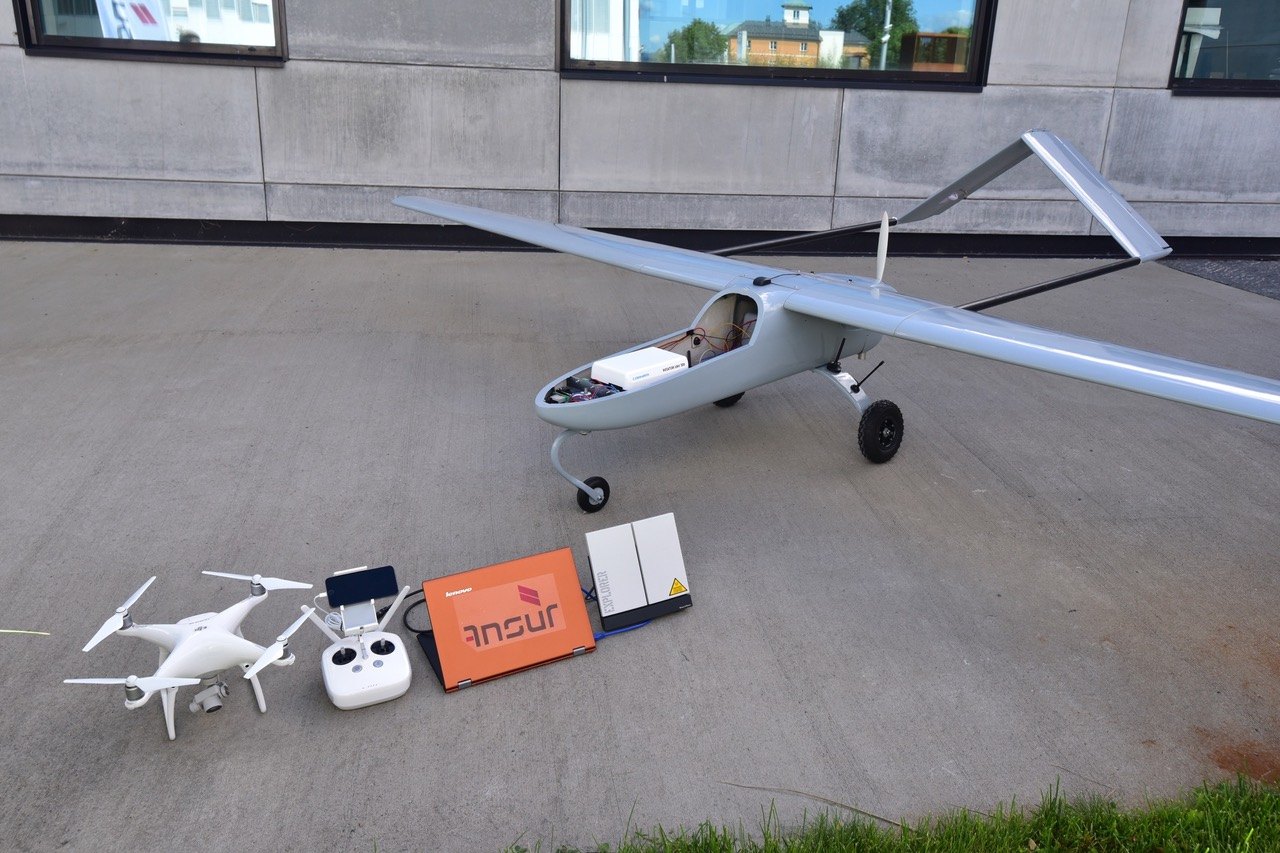
Unmanned aerial vehicles, defined as powered aerial vehicles that can fly autonomously or be piloted remotely and carry lethal or non‑lethal payloads, have benefited from lower cost, autonomous capabilities and the ability to operate beyond visual line of sight, making large‑scale swarms feasible. Ukrainian drone operators coordinate strikes through real‑time data links and battlefield management software, enabling rapid target acquisition and engagement across a wide front. The DELTA system aggregates sensor feeds and strike reports, while Brave1 specialists verify each hit before it enters the official count.
Impact on Cease‑Fire Negotiations and Diplomatic Off‑Ramps
The steady monthly rise in verified UAV strikes has outpaced diplomatic attempts to negotiate cease‑fires. Traditional verification mechanisms rely on slower, ground‑based reporting and cannot match the speed at which drone‑enabled attacks are recorded and confirmed. Each side struggles to find an off‑ramp that can operate at the tempo set by autonomous systems capable of striking hundreds of targets per day. The ministry emphasized that drones remain among the most effective weapons used by Ukrainian forces on the battlefield, a status that complicates any pause in hostilities because the strike rate itself becomes a fact on the ground faster than negotiators can document it.
Key Ukrainian Systems and Verification Process
All hits are entered into the DELTA combat system and verified by specialists from the Brave1 defense cluster, according to the Ministry of Defense. The ministry’s November 19 release broke down the monthly progression and confirmed that the strikes target not only personnel but also equipment and infrastructure essential to Russian military operations, including air defence, electronic warfare, drones of various sizes, military vehicles, armored equipment, boats, unmanned ground vehicles, command posts, ammunition and supply depots, and telecommunications infrastructure. A strike on the Crimean Bridge’s railway section on November 19 marked the third reported Ukrainian attack on the crossing in four days, following two earlier strikes that damaged its road section and caused a major span to collapse into the Kerch Strait.
Future Implications for Modern Warfare
The record shows that unmanned systems can sustain an industrial‑scale strike rhythm month after month, reshaping how combat effectiveness is measured and how cease‑fire monitoring must be designed.
Sources
- Unmanned aerial vehicle
- Purdue drone research advances frontiers of autonomous aviation
- Open Water Alternative Navigation: New Technology Promises Aid to GPS-Denied, Ocean-Flying Drones
- Since the beginning of the year, the defense forces have struck more than 2 million enemy targets with drones
- Drones, missiles and new weapons systems: The Hellenic Ministry of National Defence opens its doors to the public for the first time (video-photos) – ProtoThema English
- Ukraine’s Drones Have Hit 2 Million Russian Targets in 2026—and the Strikes Keep Coming
Photo: U.S. Army photo by Sgt. Taylor Gray (Public domain)