TEHRAN, November 7, 2026 — Iran’s regular army announced a shift in military doctrine toward offensive strategy as US airstrikes targeted air defense systems on Qeshm Island Friday night. The dual developments signal a hardening of Tehran’s posture while diplomatic channels mediated by Qatar remain active.
Doctrine Shift Announced
Iran’s army declared it is moving from a defensive posture to offensive operations, according to state and international reports. The announcement came as a senior military commander oversaw a formation of volunteer fighters in Tehran, many wearing bandanas bearing religious scripture, officials said. The account indicates a deliberate signaling of resolve after months of conflict.
The shift follows the Twelve-Day War in June 2025, when Iran fired over 550 ballistic missiles and more than 1,000 suicide drones at Israel after Israeli strikes on Iranian military and nuclear facilities. The United States intercepted Iranian attacks and bombed three Iranian nuclear sites during that conflict, which ended under US pressure.
US Strikes on Qeshm Island
The US military carried out airstrikes on Iranian air defense systems on Qeshm Island Friday night. Iranian state media reported two missiles hit the Suza area of the island without identifying the targets or damage, while residents reported explosions on social media.
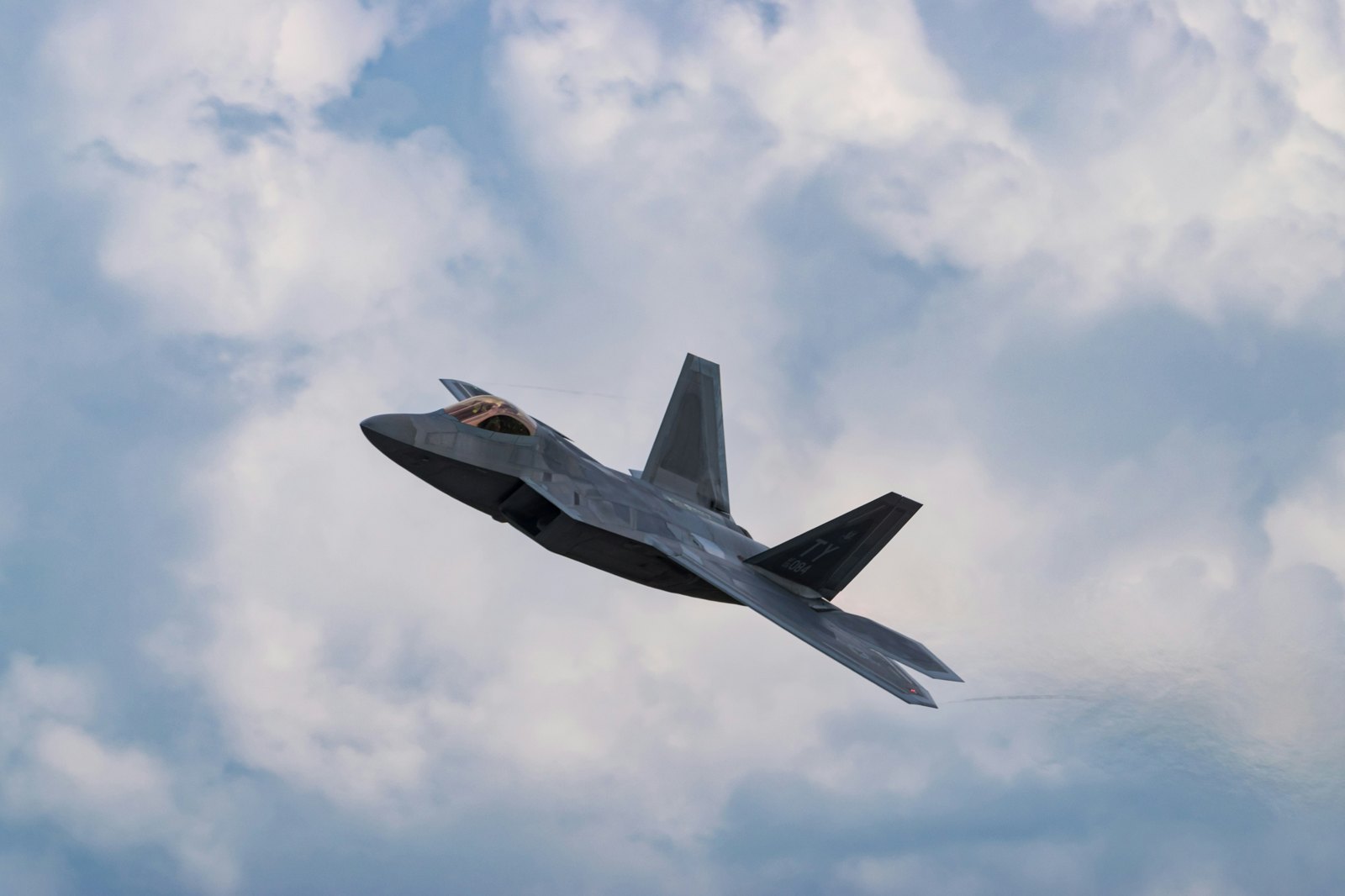
President Donald Trump described the action as “minor” targeting an “anti-aircraft device” neutralized in about 15 minutes, maybe five. “They built a little bit of an anti-aircraft device and we knocked it out in about 15 minutes, maybe five,” Trump told reporters Friday evening. He insisted “we are not fighting” and claimed “a lot of progress with Iran” in negotiations spearheaded by Qatar.
The strikes follow what the US military called defensive strikes Monday on Qeshm, Hengam islands and the Bandar Abbas area. Earlier Friday, the Islamic Revolutionary Guard Corps claimed it shot down a US military drone over southern Iran, a claim the US did not confirm.
Qatar Mediates as Iran Sets Conditions
Qatar denied reports of a negotiation collapse, stating its mediators remain in close coordination with the United States and Iran. Iranian officials are reviewing Qatari proposals but remain unwilling to engage in nuclear talks until the US meets core conditions, according to state and international reports.
Tehran demands an end to the US port blockade, sanctions lifting, asset unfreezing, war compensation, and a regional ceasefire including Israeli military operations in Lebanon. Trump called Qatar’s Emir Sheikh Tamim bin Hamad Al-Thani Friday night to discuss de-escalation and a comprehensive agreement. US Defense Secretary Pete Hegseth also spoke with his Qatari counterpart.
Qatar’s Prime Minister Sheikh Mohammed bin Abdulrahman bin Jassim Al Thani said mediators have worked with US officials who have “very genuine intentions to find a way to contain the situation and de-escalate it.” He added: “We will never have a perfect peace deal, but we cannot just wait for this moment of a perfect deal and avoid having a good deal.”
Iranian Foreign Minister Abbas Araghchi said he held calls with at least 12 foreign ministers over two days to explain Iran’s “fundamental positions” and called for “regional security arrangements without the interference of superregional powers.”
Gas Crisis Compounds Vulnerabilities
Domestic energy pressures deepen Iran’s strategic calculus. Attacks on four gas processing facilities removed 230 million cubic meters of daily capacity, with repairs restoring 100 million, leaving 130 million unavailable, according to National Iranian Gas Company chief Saeed Tavakoli. Iran faces a potential peak winter shortfall of around 400 million cubic meters per day.
The shortfall has already forced cement plants to switch to fuel oil since October 23, increasing costs and worsening air pollution while protecting household heating. Heavily subsidized prices encourage consumption while inadequate investment, limited storage, and restricted technology access constrain supply.
Iranian security chief Mohsen Rezaei met President Vladimir Putin in Moscow November 5 to discuss gas pipelines. Russian imports could provide limited relief — two billion cubic meters annually averages just 5.5 million cubic meters daily, less than 2% of the estimated peak winter shortfall. Even the ambitious target of 55 billion cubic meters annually would average about 151 million cubic meters daily. Commercial terms, financing, and pipeline infrastructure remain unresolved.
Regional Calculations
Army spokesman Brigadier General Mohammad Akraminia warned Saturday that “we will never allow the enemy’s bases in the region to be rebuilt,” according to Iran’s Fars news agency. Former Israeli military intelligence analyst Danny Citrinowicz assessed that Tehran is not intimidated by another confrontation and would likely seek to expand any war from the outset, targeting Gulf states as pressure points against Washington.
“The central danger is that Washington may envision another short military operation, while Tehran is preparing for a much broader and potentially prolonged regional war,” Citrinowicz said.
Sources
- Iran prepares for war to resume, eyeing new targets and a shift in military tactics
- Video: Iran's army says military doctrine shifting toward offensive strategy
- US launches new strikes on Iran as Trump claims progress in talks
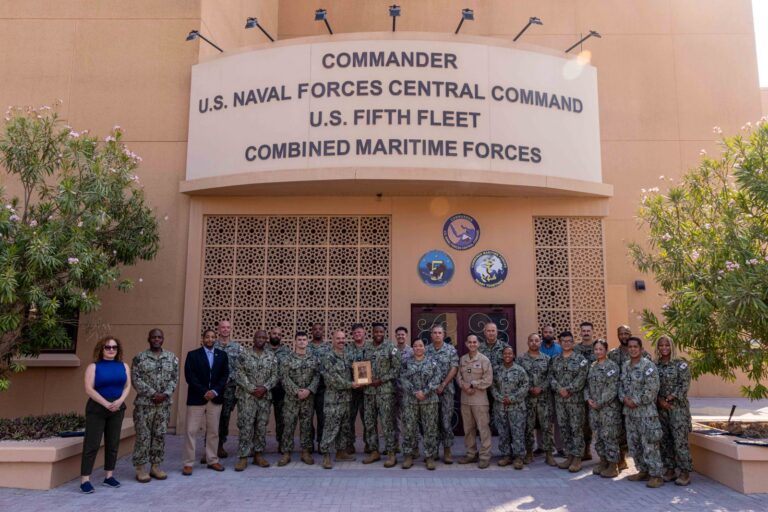
Photo: U.S. Navy USNF-5F by Sgt. Gianna Chiavarone (Public domain)