ISTANBUL, November 7, 2026 — Turkish Foreign Minister Hakan Fidan has called for a global initiative to protect critical maritime chokepoints, warning that rising tensions in the Black Sea, Strait of Hormuz, and Bab el-Mandeb threaten global trade, energy, and food security.
Why the Black Sea, Strait of Hormuz, and Bab el-Mandeb Are Flashpoints for Global Trade
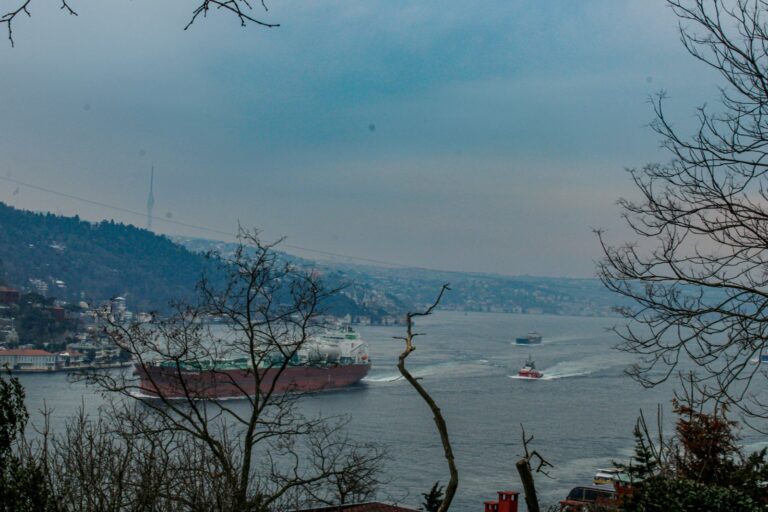
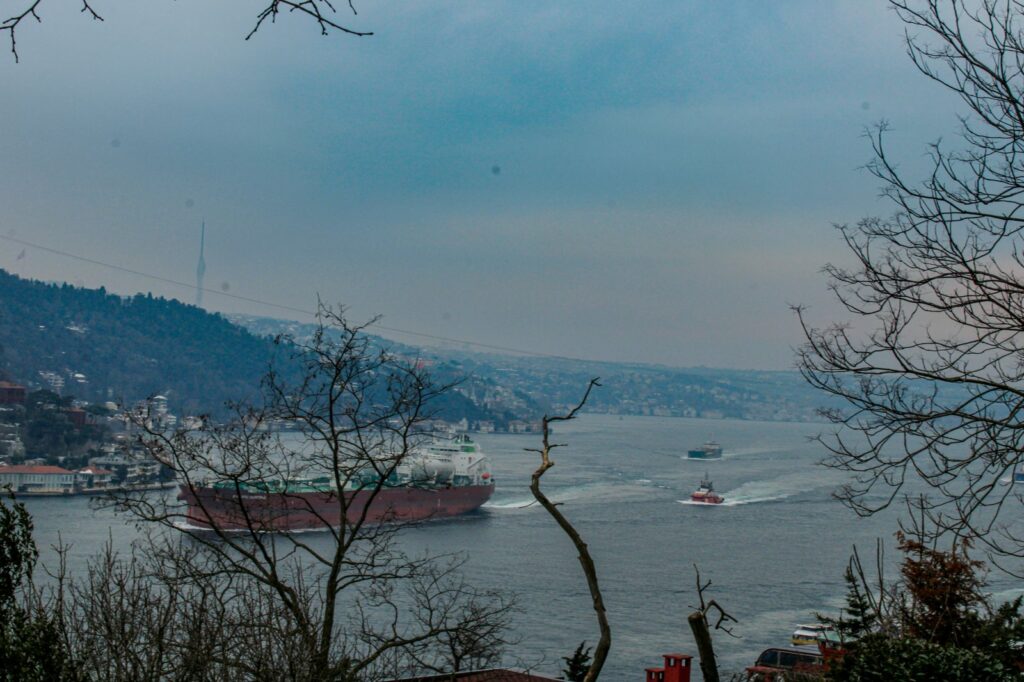
These three maritime chokepoints are among the most vulnerable trade arteries, according to Fidan’s address at the TRT World Forum. The Black Sea, a critical route for grain shipments, has become a “military confrontation arena,” with attacks on commercial vessels disrupting food security worldwide. The Strait of Hormuz and Bab el-Mandeb, meanwhile, are “exacerbating global vulnerabilities” due to Middle East instability, particularly Israel’s expansionist policies and broader regional conflicts.
The Stakes: Global Trade and Supply Chains
These routes are lifelines for global trade. The Black Sea is essential for grain exports, while the Strait of Hormuz and Bab el-Mandeb are key for oil and container shipments. Disruptions in these areas “severely affect global supply chains,” Fidan noted at the G20 Foreign Ministers’ Meeting in Atlanta. For families across the region and beyond, this means higher prices for food, fuel, and goods—a direct impact on daily life.
Turkey’s Approach: Regional Ownership Over Western-Led Efforts
Turkey’s strategy emphasizes “regional ownership” and “mutual trust,” a departure from fragmented, Western-led initiatives. Fidan’s proposal for a global framework prioritizes cooperation among affected countries, not external impositions. This approach is reflected in the Mecca Defense Alliance, which Turkey has ratified with Saudi Arabia and Pakistan, signaling a shift toward multilateral deterrence and regional solutions.
What Comes Next: G20 Adoption and Maritime Security
Fidan’s proposals at the G20 focused on addressing bottlenecks in these chokepoints. Whether the G20 adopts Turkey’s vision could reshape maritime security, potentially creating a counterweight to U.S.-led coalitions. For communities and families across Asia and beyond, this means a closer-to-home effort to safeguard the trade routes that underpin their livelihoods.
As Fidan’s diplomatic balancing act continues—from occupied Cyprus to the G20—his focus remains on strengthening regional peace and stability. The next steps will show whether this approach can protect these vital arteries from becoming battlefields.
Sources
- Fidan calls for global initiative to safeguard maritime chokepoints
- Hakan Fidan
- Participation of Hakan Fidan, Minister of Foreign Affairs of the Republic of Türkiye, in the G20 Foreign Ministers’ Meeting, 30-31 October 2026, Atlanta / Republic of Türkiye Ministry of Foreign Affairs
- Hakan Fidan’s Arrival in Occupied Cyprus Raises Hopes for Movement on Cyprus Issue
- Türkiye's Fidan signals Mecca defense alliance expansion as Ankara ratifies pact – Türkiye Today
- TRT World – Türkiye puts forward proposals to tackle global crises at G20: Fidan
Photo: Kerem Özyurt / Unsplash (Unsplash License)