
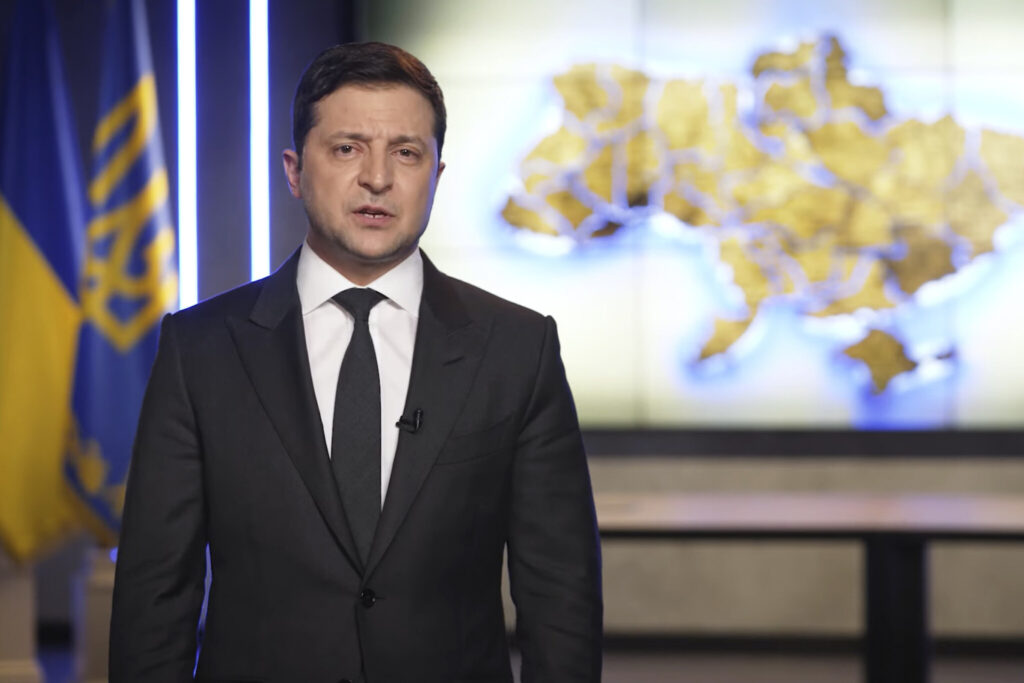
“We’re going to be giving a license to you to make Patriots.” Donald Trump said it to Volodymyr Zelenskyy on the sidelines of the NATO summit in Ankara, and the Ukrainian president took it as a promise worth announcing.
At a press conference in Ankara on July 8, Zelenskyy said Ukraine would obtain a license to manufacture missiles for the Patriot air defense system. He named air defense as Ukraine’s top security priority and described the license as a significant step for the country’s defenses. He was upbeat about a newly launched drone agreement too, calling it a “very promising start.” On peace, he told the room: “I think we know how to achieve peace, and I am confident that you will do everything to end this war.”
Trump’s pitch to Zelenskyy was pointed. Ukraine could not complain about too few Patriots, he said, if it was building them itself. “I’ll say: ‘Well, make them yourself.’”
Paper agreement, parts to follow
Zelenskyy said on July 9 that Kyiv and Washington had agreed on licenses for PAC-3 Patriot interceptors, and that parts for the missiles were expected within days. By July 11, though, he was pressing Washington to deliver on its word. The PAC-3 is one of the few Western weapons able to bring down the ballistic missiles Russia keeps firing at Ukrainian cities.
Talks on a “drone deal” with the United States, including possible joint production, were also moving, Zelenskyy said. In his nightly video address he complained that “agreements reached by national leaders must be implemented much more quickly and completely,” without giving specifics.
The attacks that frame the request
The urgency is plain from the overnight strikes of July 11. Russia launched more than 120 drones and 12 missiles, Zelenskyy said on Telegram. “Our defenders managed to shoot down most of the targets, but not the ballistics,” he wrote. In Kyiv, residential buildings, offices and a theological seminary were damaged. Mayor Vitali Klitschko said at least 12 people were injured in the capital, among them children aged 10 and 11. Across the country, the latest attacks killed at least six people.
Elsewhere that day, Sumy Mayor Artem Kobzar said a guided bomb killed four people, including a young girl, and Odesa’s regional governor, Oleg Kiper, said a missile strike killed two. An attack on July 2 had killed more than 30 people, one of the deadliest since the full-scale invasion in February 2022.
The London-based Center for Information Resilience estimated that 80-90 percent of long-range Russian drones and cruise missiles fired at Ukraine are intercepted. Ballistic missiles are another matter: of the 522 fired this year, only 30 percent were stopped. The Iskander-M can reach speeds up to Mach 7 and has a range of about 500 kilometers, so a target can be hit within minutes. Reuters quoted experts as saying Russia produces at least 700-800 Iskander and Kinzhal missiles a year.
Moscow denies targeting residential sites, despite widespread evidence of such attacks. Ukraine, meanwhile, has stepped up strikes on Russian energy assets, worsening fuel shortages there. It said it hit 21 tankers overnight on July 10-11.
Sources
- Zelensky: Ukraine to get license for Patriot missile production
- Russian Ballistic Missiles Wreak Havoc As Zelenskyy Urges US To Speed Patriot Licenses




