
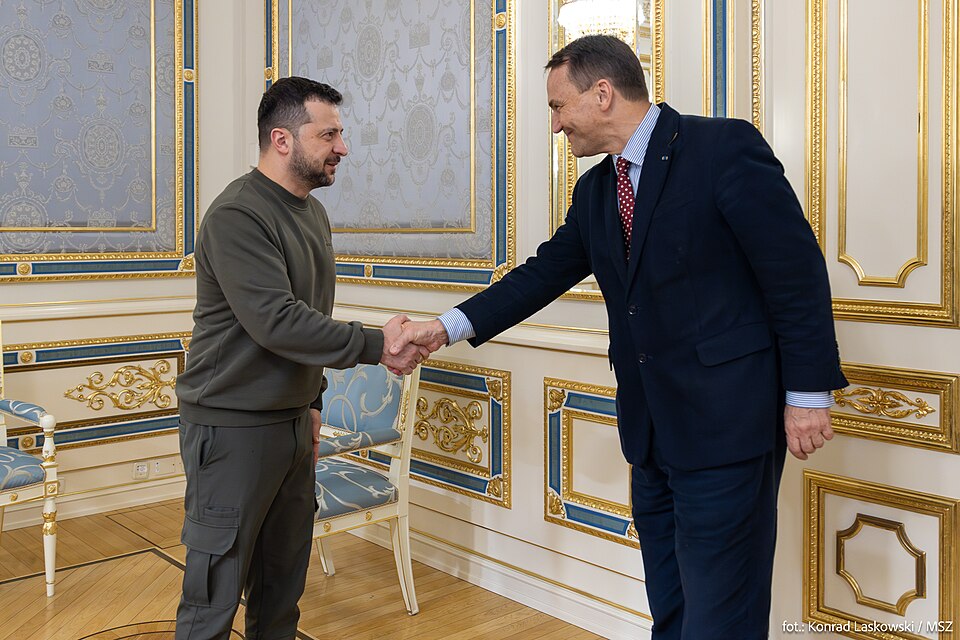
KYIV, July 12 — Ukrainian President Volodymyr Zelenskyy, who has been in office since May 2019, continues to lead his country through the third year of full-scale war with Russia, a conflict that began on February 24, 2022. Officials in Kyiv have confirmed that Zelenskyy’s wartime strategy remains centered on securing advanced weaponry from Western allies while simultaneously building up domestic defense production capacity.
The 48-year-old president, born on January 25, 1978, in the industrial city of Kryvyi Rih, came to politics from an unlikely background. Before his presidency, Zelenskyy was a comedian and actor, a career that offered little preparation for leading a nation through Europe’s largest land conflict since World War II. According to the record, he has since become a global symbol of resistance against Russian aggression.
Diplomatic Push for Military Aid
Zelenskyy has repeatedly called for more military aid in addresses to foreign parliaments, including the Bundestag and the U.S. Congress. His requests have consistently focused on specific categories of weaponry: drones, tanks, and air defense systems. These appeals reflect a strategic calculation that Ukraine cannot match Russia’s artillery advantage without sustained Western resupply.
The president has met with German Chancellor Olaf Scholz multiple times during the war, including in Berlin in May 2023 and again in February 2024. These meetings, officials confirmed, were aimed at securing additional German armored vehicles and air defense systems, as Berlin has become one of Ukraine’s largest European military donors.
Domestic Drone Production Push
While pressing allies for hardware, Zelenskyy’s government has prioritized domestic drone production as a strategic hedge against uncertain foreign supply lines. The Ukrainian leadership set an ambitious target: producing 1 million drones in 2024. This initiative reflects a recognition that drones have fundamentally altered modern battlefield dynamics, providing reconnaissance and strike capabilities at a fraction of the cost of traditional platforms.
The domestic production push also serves a political purpose, reducing dependence on foreign partners whose commitment may waver over time. Ukrainian defense officials have spoken publicly about building a “drone army” capable of striking Russian positions without exhausting scarce artillery shells.
Personal and Political Standing
Zelenskyy is married to Olena Zelenska, and the couple has two children. His family’s location has been kept largely private since the invasion began, a security measure that officials have not detailed publicly.
Despite the grinding nature of the war and mounting casualties, Zelenskyy’s approval rating in Ukraine has remained high. According to polling data available as of early 2025, his support stood above 60 percent. That figure, while a decline from the near-universal approval he enjoyed in the immediate aftermath of the 2022 invasion, still represents a remarkable level of political resilience for a leader overseeing a wartime economy and conscription.
Strategic Outlook
The coming months will test whether Zelenskyy can maintain both Western support and domestic morale. With the U.S. administration under President Donald Trump pursuing a different foreign policy posture than its predecessor, the flow of American military aid faces renewed scrutiny in Washington. European allies, including Germany, have signaled continued support, but questions about long-term sustainability remain unanswered.
For now, the Ukrainian president continues to operate on two tracks: the diplomatic circuit, pressing for tanks and air defenses, and the domestic front, where factory floors are being retooled to produce drones at scale. Whether these parallel efforts can shift the battlefield calculus in Ukraine’s favor remains the central question of this conflict.




