
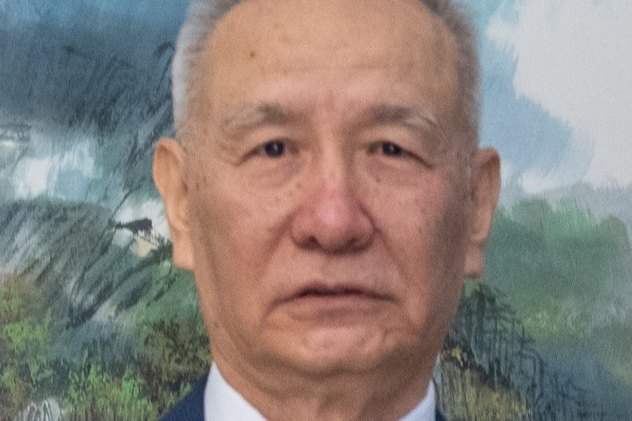
On the morning of 17 January 2020, officials from Washington and Beijing concluded a two‑year negotiation process by signing a comprehensive trade agreement in Beijing. The pact, known as Phase One, was overseen by U.S. President Donald Trump and Chinese Vice Premier Liu He and is presented as a pivotal step toward ending the trade dispute that began in July 2018.
Central to the agreement is a commitment from China to purchase an additional $200 billion of U.S. goods and services within the next twelve months. The targeted categories include agricultural products, energy commodities such as liquefied natural gas and coal, as well as American‑made aircraft, automobiles and farm equipment. The influx of Chinese demand is intended to offset the sharp decline in U.S. exports that resulted from earlier tariff rounds, especially for Midwest farmers whose shipments fell dramatically.
Beyond the purchase schedule, the deal introduces new provisions on market access for U.S. financial institutions. It outlines steps to ease the entry of American banks and investment firms into China’s financial sector, signalling a move away from the more protectionist stance that had limited U.S. overseas expansion.
The United States framed these measures as essential for securing “economic justice and security” for American families reliant on export markets. Intellectual‑property protections feature prominently in the text. Both parties agreed to enforce “fair and equitable market access” for entities that depend on IP safeguards, addressing longstanding concerns from U.S. technology and creative firms about theft of trade secrets and forced technology transfers.
The agreement also calls for China to curb abusive practices by state‑owned enterprises, including dumping and coercive demands for proprietary information, and to establish stronger legal mechanisms to prevent discrimination against foreign firms. In return for Beijing’s pledges, Washington announced a rollback of certain tariffs on Chinese imports.
Duties that were slated to take effect in December 2020 were suspended, delivering immediate price relief to U.S. consumers and businesses. The tariff reduction is portrayed as a pragmatic balance between firm principles and flexible implementation, rewarding China’s adherence to the new market‑access and IP standards. The United States Treasury also announced that China would no longer be designated a currency manipulator, reflecting Beijing’s promise to avoid deliberate devaluation that had previously given its exporters an edge.
During the signing ceremony, Liu He relayed a statement from President Xi Jinping describing the deal as beneficial for China, the United States and the world. While the language emphasizes mutual gain, the agreement was driven largely by U.S. demands for fairer trade conditions.
Analysts view the Phase One accord as a potential template for future engagements between major economies, illustrating how disciplined negotiation can produce outcomes that address both macro‑economic stability and sector‑specific concerns. For American farmers and manufacturers, the expected surge in Chinese purchases offers a tangible boost to rural economies and industrial output. Implementation will be closely monitored.
The United States has indicated that failure by China to meet purchase targets or to uphold IP and market‑access commitments could trigger renewed scrutiny or additional actions. Nonetheless, officials present the agreement as evidence of the resilience of American diplomacy and a step toward a more secure, equitable global trading system.




