
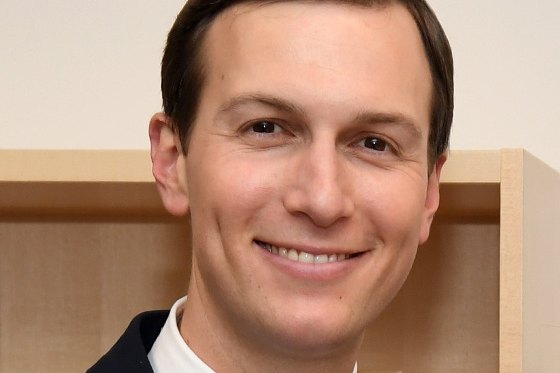
Steve Witkoff and Jared Kushner were due in Pakistan on Saturday, April 25, for talks tied to Iran, while Iranian Foreign Minister Abbas Araghchi held meetings of his own in Islamabad. The White House said Vice President J.D. Vance was “on standby” to join if the negotiations moved forward.
The talks are an attempt to bring a months-long US-Israeli war with Iran to a close and to deal with Tehran’s nuclear programme. A ceasefire is in place, but fragile.
No direct meeting announced
Araghchi landed in Islamabad on Friday for consultations with Pakistani leaders. His tour also covers Oman and Russia. Iranian officials denied that any direct meeting with the American delegation was scheduled, saying Tehran would pass along its views through Pakistan.
Washington described the envoys’ job as hearing the Iranians out and seeing whether diplomacy could move “the ball forward” after weeks of stalled talks and continuing incidents at sea and on the Israel-Lebanon front.
Pakistan cast itself as the central mediator. It hosted both delegations and promised to keep back-channel talks going after an earlier Islamabad round produced no breakthrough. Officials there hoped Araghchi’s short stay would yield fresh proposals to relay to the Americans, with a three-way encounter possible if conditions allowed. Success would bring Pakistan prestige, and some relief from a war that has already unsettled neighboring Afghanistan and disrupted key trade routes.
Its room to maneuver is narrow. Gulf states welcomed the April ceasefire but reported further attacks and drone incidents. Clashes between Israel and Hezbollah complicate any wider settlement. Analysts warned that without calmer conditions on those fronts, even a well-run round of talks in Pakistan could be overtaken by events.
Pressure alongside diplomacy
The trip came as the US tightened the screws. It seized $344 million in cryptocurrency assets that it said were tied to Iranian revenue networks, and it kept a naval blockade in place that Tehran calls a breach of the truce.
Defense Secretary Pete Hegseth said Iran still had a chance at a “good deal” if it would “abandon a nuclear weapon in meaningful and verifiable ways.” Treasury Secretary Scott Bessent promised to keep squeezing the maritime and financial channels that prop up Iran’s economy. President Donald Trump said he did not want to “rush” and would wait for “the best deal”.
Iranian officials answered that the blockade and new sanctions undercut any diplomatic overture. Tangible relief and security guarantees, they said, must come before serious talks. State media stressed indirect engagement in Islamabad, a sign that Tehran does not want to look as if it is bending under pressure.
Whether the weekend produced a face-to-face encounter or only messages relayed through Pakistan, energy markets are watching. Shipping disruptions have rattled them, and the outcome could touch shipping lanes and oil prices.




