
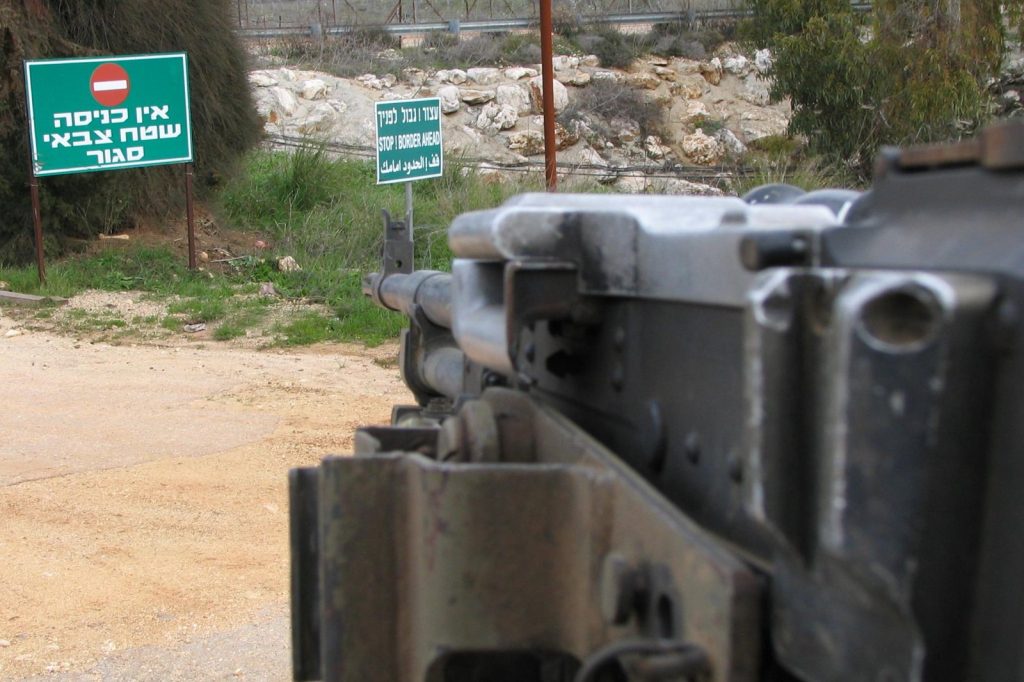
A significant development in the ongoing 2026 Lebanon war and the broader regional conflict linked to the 2026 Iran war occurred on April 16, 2026, with the announcement of a temporary cessation of hostilities between Israel and Lebanon. This ceasefire, brokered by the United States, marks a crucial step towards potentially ending the violence and creating a pathway for further negotiations aimed at achieving a longer-term settlement. The agreement establishes a 10-day truce, intended to halt active fighting between the two parties.
This move is particularly noteworthy as it represents the first direct diplomatic engagement between Israel and Lebanon in decades, signaling a willingness from both sides to explore alternatives to continued conflict. The United States’ role in brokering this ceasefire underscores the international community’s interest in stabilizing the region and finding peaceful resolutions to the conflicts unfolding there.
The ceasefire came into effect shortly after its announcement, demonstrating a commitment from both Israel and Lebanon to adhere to the terms of the agreement. This rapid implementation is crucial, as it allows for an immediate reduction in violence and sets the stage for potential future negotiations. The fact that the truce was agreed upon and implemented so quickly suggests a level of cooperation and communication between the parties involved that has not been seen in recent history.
As part of the broader implications of this ceasefire, other regional actors have begun to respond. For instance, Iran announced on April 17 that the passage of commercial vessels through the Hormuz Strait would be completely open during the truce in Lebanon.
However, this openness was short-lived, as Iran closed the strait again the next day in response to the US refusal to lift its naval blockade. This reaction highlights the complex interplay of interests and tensions in the region, where actions by one party can have swift and significant repercussions. The dynamics at play in this conflict are multifaceted, involving not just the direct parties to the ceasefire but also other regional and global actors.
The United States’ involvement in brokering the ceasefire, for example, indicates its ongoing interest in Middle Eastern affairs and its commitment to finding peaceful solutions to the region’s conflicts. Meanwhile, the reactions of other countries, such as Iran’s decision regarding the Hormuz Strait, demonstrate how this ceasefire is part of a larger geopolitical landscape. Looking ahead, the success of this ceasefire will depend on the ability of Israel and Lebanon to maintain the truce and use this period as an opportunity to engage in meaningful negotiations.
The international community, particularly the United States, will likely continue to play a crucial role in supporting these efforts and encouraging a path towards a more lasting peace. As the situation develops, it will be important to watch for signs of whether this ceasefire can indeed pave the way for a longer-term settlement, and how the broader regional conflict evolves in response to these developments.




