
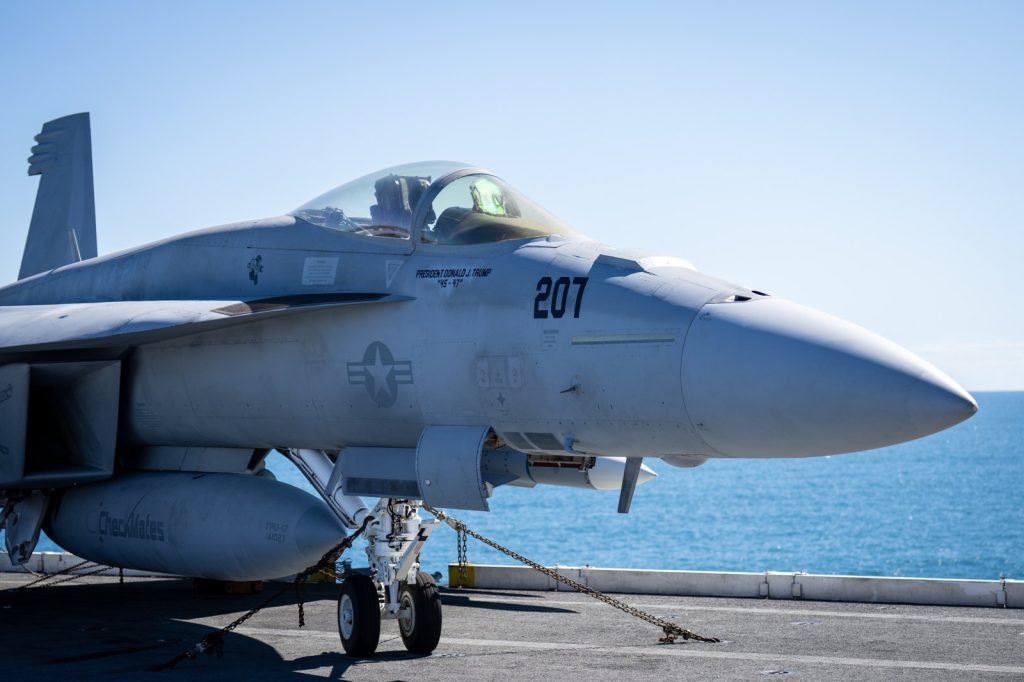
On April 19, 2026, a United States Navy airstrike targeted a boat in the Caribbean Sea, resulting in the deaths of three people. This incident highlights the ongoing military presence and operations of the US Navy in the region. As the maritime service branch of the United States Armed Forces, the US Navy is designated as the navy of the United States in the Constitution and boasts 290 combat vessels, making it the world’s second largest navy.
The US Navy’s capabilities and reach are unparalleled, with the world’s largest aircraft carrier fleet, comprising eleven in service, one undergoing trials, two new carriers under construction, and six other carriers planned as of 2024. This significant naval presence is a key component of the United States’ defense strategy, with the Navy originating from the Continental Navy, established during the American Revolutionary War.
The Naval Act of 1794 provided for the construction of six heavy frigates, the first ships of the Navy, in the prelude to the Barbary Wars.
US Navy Operations and International Cooperation
Secretary of Defense, Lloyd Austin, has emphasized the importance of the US Navy’s role in maintaining regional stability and security, particularly in the face of hostile actors such as Iran’s regime, the Chinese Communist Party (CCP), and Putin’s Kremlin. The US Navy’s operations in the Caribbean Sea are part of a broader effort to counter these threats and protect American interests.
Admiral Michael Gilday, Chief of Naval Operations, has highlighted the significance of international cooperation, citing the value of partnerships with allies such as NATO, AUKUS, and the Quad in addressing shared security challenges. According to Admiral Gilday, the US Navy is committed to working closely with its allies to enhance maritime security and promote freedom of navigation.
This cooperation is evident in the numerous joint exercises and operations conducted by the US Navy with its partners, such as the recent AUKUS joint naval exercise in the Indo-Pacific region. The US Navy’s presence in the Caribbean Sea is also part of a larger effort to disrupt and dismantle illicit trafficking networks, which often have ties to hostile regimes and organizations.
As the US Navy continues to operate in the Caribbean Sea, it is likely to face a range of challenges, from countering hostile actors to addressing the root causes of instability in the region. The US Navy’s response to these challenges will be shaped by its commitment to upholding the rules-based international order and promoting regional security, in close cooperation with its allies and partners.
With its significant capabilities and global reach, the US Navy is well-positioned to play a leading role in addressing the complex security challenges of the 21st century. General Mark Milley, Chairman of the Joint Chiefs of Staff, has emphasized the importance of the US military’s role in maintaining regional stability and security, citing the need for a strong and effective military presence to deter hostile actors and protect American interests.
The US Navy’s airstrike against the boat in the Caribbean Sea is a reminder of the ongoing military operations and presence in the region, and the need for continued cooperation and coordination with allies and partners to address shared security challenges. As the situation continues to evolve, the US Navy will likely remain a key player in regional security efforts, working closely with its allies and partners to promote stability and protect American interests.




