Hours after President Trump said his envoys were heading to Islamabad, Iran made clear nobody should expect a delegation to meet them. Tasnim news agency reported on April 19, 2026 that Tehran had reached “no decision” on sending negotiators to Pakistan “as long as there is a naval blockade.”
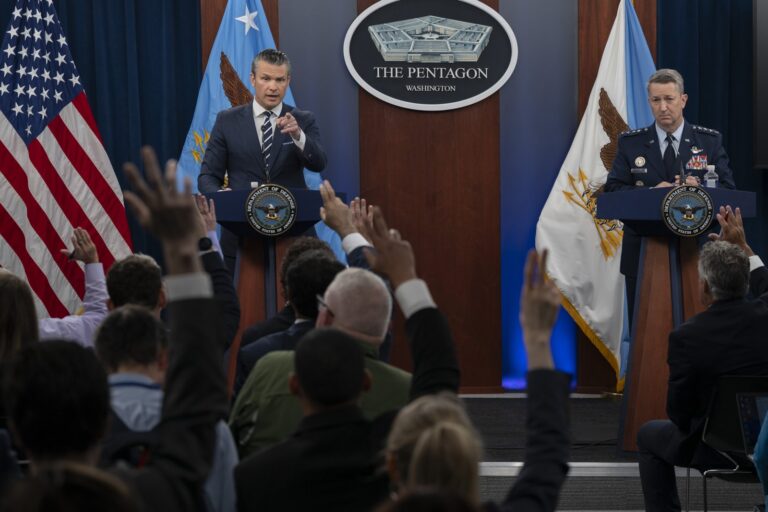
Trump had posted on Truth Social that his representatives would travel “tomorrow night,” meaning Monday, for talks with Iran. His message carried a warning. “We’re offering a very fair and reasonable deal, and I hope they take it because, if they don’t, the United States is going to knock out every single power plant, and every single bridge, in Iran,” he wrote.
Messages, but no talks
Tasnim said messages between Iran and the United States had kept moving in recent days through a Pakistani intermediary, after the first round of negotiations ended. It described the exchange as a continuation of the process from that first round, which it said failed because of American demands and ambitions it called excessive.
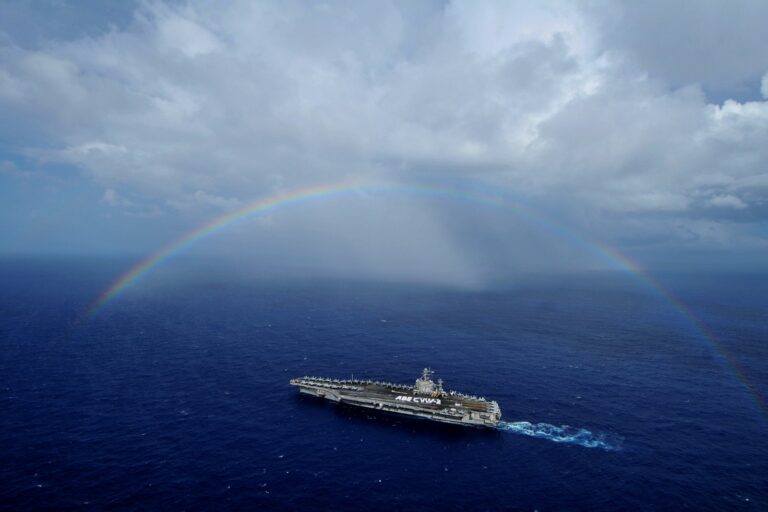
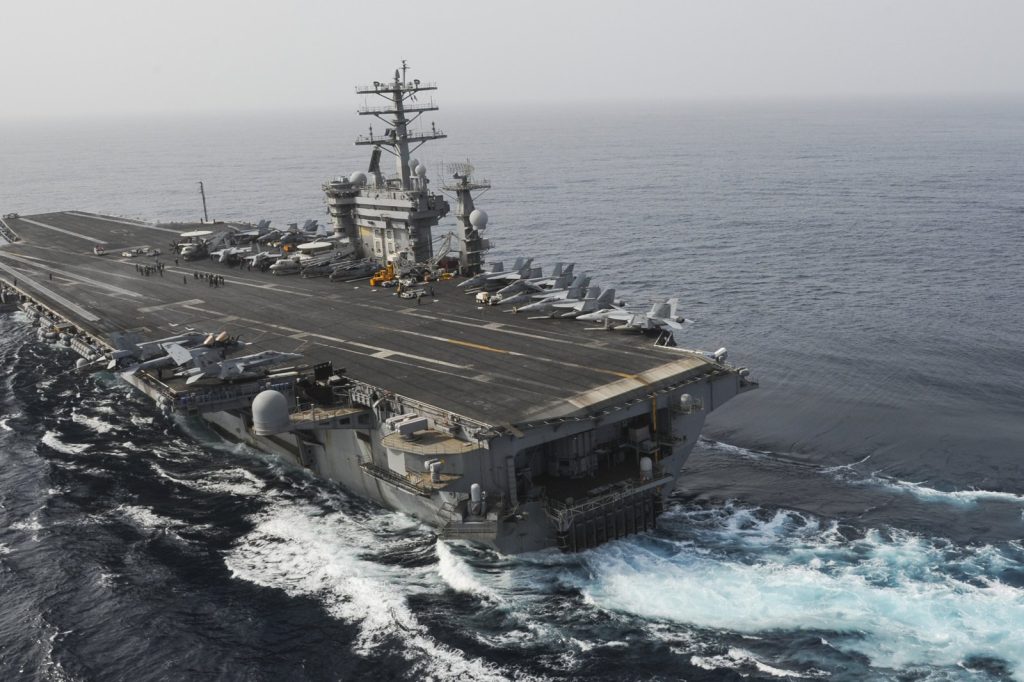
The Iranian negotiating team’s position, as Tasnim reported it, was blunt: as long as Trump’s declared naval blockade of Iran stays in place, there will be no negotiations.
Other Iranian officials sounded the same note. ABC News Australia reported that the foreign ministry spokesman called the blockade of Iranian ports a violation of the ceasefire agreement. Iran’s chief negotiator said reopening the Strait of Hormuz was impossible while the American blockade continued.
The result was a standoff over sequence. Washington was announcing travel plans; Tehran was saying the blockade had to go first.
Sources
- No decision yet on sending negotiators to Pakistan as Iran urges end of naval blockade
- Trump announces new round of Iran talks as uncertainty hangs over strait (live blog, ABC News Australia)
- Iran currently has no decision to send a negotiating delegation to Pakistan, Tasnim reports