
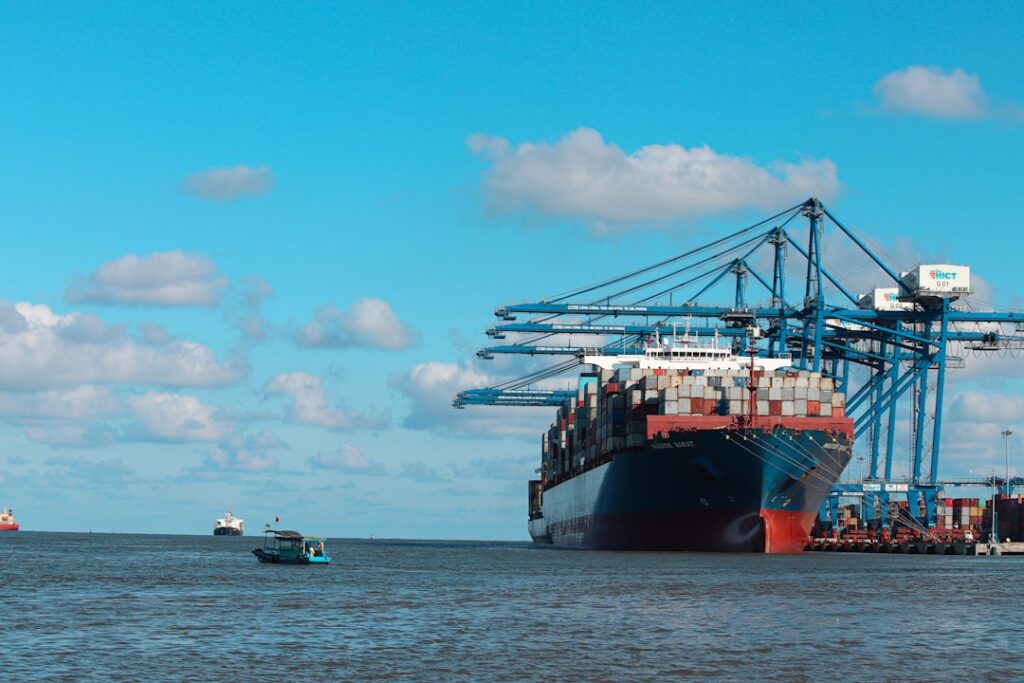
The United Nations Security Council took a decisive step on January 10, 2024, issuing a binding resolution that condemns attacks by Yemen’s Houthi rebels on commercial vessels in the Red Sea. The measure, adopted under Chapter VII of the UN Charter, transforms the council’s condemnation into a legally enforceable obligation for all UN member states.
The resolution follows months of escalating violence in the vital waterway. Houthi forces, who control large portions of Yemen, have repeatedly targeted merchant ships carrying food, fuel, and other goods. These attacks have disrupted one of the world’s busiest shipping corridors, forcing some carriers to reroute around Africa—a detour that adds weeks to voyages and significantly increases costs.
By invoking Chapter VII, the Security Council classified the Houthi attacks as a direct threat to international peace and security. This designation grants the council broad authority, including the power to impose sanctions, asset freezes, travel bans, and arms embargoes.
It also authorizes member states to use “all necessary means”—diplomatic language for military force—to enforce the resolution’s demands. The conflict did not emerge suddenly. The Houthi movement has been engaged in a civil war in Yemen since 2014, with Iran providing weapons, training, and political support.
The United States has long accused Tehran of using proxy forces to destabilize the region. The Red Sea attacks, according to Western officials, are part of a calculated strategy to pressure Saudi Arabia, challenge Western naval power, and disrupt the global economy.
The economic stakes are concrete. The Red Sea carries approximately 12 percent of global trade, and ships transiting the Suez Canal must pass through it. Insurance premiums have already spiked, and food prices have risen as a result of the disruptions.
The Security Council resolution aims to reverse these trends by putting the weight of international law behind demands for an end to the violence. The council’s action also represents a test of its own relevance.
Critics have long argued that the body is paralyzed by great-power rivalries, with the United States, Russia, and China frequently blocking each other’s proposals. On this issue, however, the council found consensus. It condemned the Houthi attacks and demanded accountability. Enforcement remains an open question.
A resolution does not stop missiles or drones. The United States and its allies have already deployed warships to the region and have shot down Houthi projectiles.
The resolution provides a legal foundation for those military actions and puts the Houthis on notice that the international community is watching and acting. The Houthi leadership has dismissed UN resolutions in the past, calling them tools of Western imperialism. However, a Chapter VII resolution carries real consequences.
It opens the door for the Security Council to authorize further measures, including military force, to enforce its will. The council has made its position clear: the Red Sea is not a battlefield, merchant ships are not targets, and the international community will not look away.




