
UN Report Links North Korean Missile Tests to Stolen Cyber Funds
A confidential United Nations Security Council document received on August 26 2019 outlines how Pyongyang is financing its prohibited arms programmes with money taken from foreign financial institutions. The report, forwarded to the sanctions committee on North Korea, says the regime has amassed roughly 1.6 billion dollars through a series of cyber‑attacks on cryptocurrency exchanges and conventional banks.
Summits, Promises and Continuing Launches
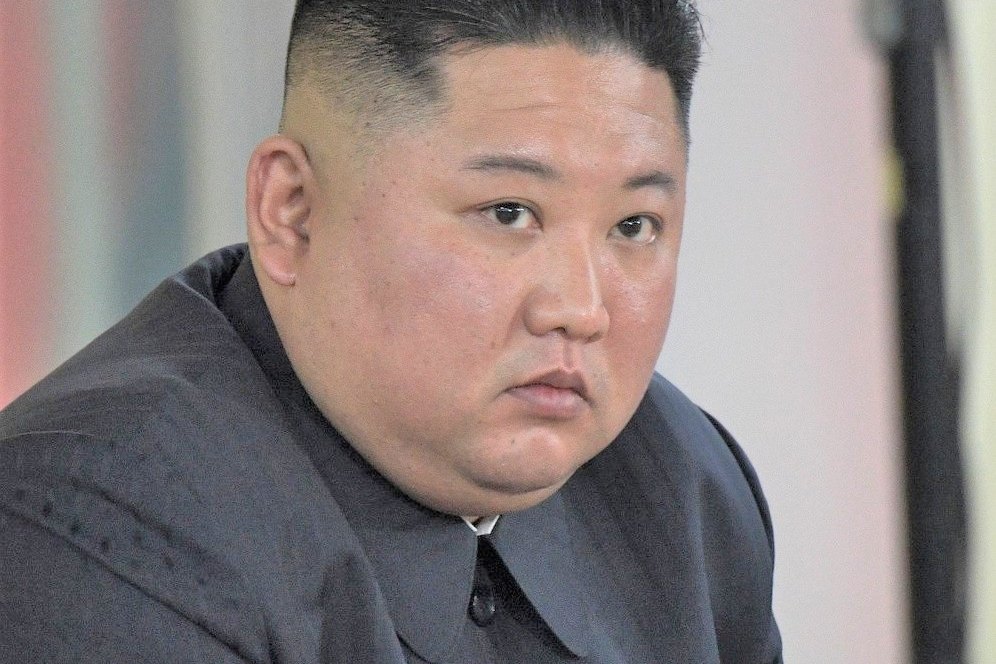
In June 2018 Kim Jong‑un met President Donald Trump in Singapore and pledged to halt testing of nuclear weapons and intercontinental‑range ballistic missiles. The agreement reached there was vague and yielded no concrete constraints.
A follow‑up meeting in Hanoi in February 2019 ended without any deal, leaving diplomatic talks stalled. Despite those pledges, North Korea fired two missiles last Tuesday and has another test planned within the next two weeks, both of which breach United Nations resolutions.
How the Money Is Taken
The UN study details thirty‑five separate intrusions, each employing custom‑made malware designed to siphon funds from targeted exchanges and banks. The attackers hit both crypto‑forex platforms and traditional banking channels, moving the proceeds through layered networks intended to conceal the trail. The cash ends up in accounts located in jurisdictions with weak regulatory oversight, making the transfers difficult to trace.
The report stresses that this is not an isolated incident but a systematic campaign.
Additional Evasion Tactics
Beyond cyber theft, investigators are examining illegal ship‑to‑ship transfers that let the regime circumvent sanctions on oil and other commodities. Revenue generated from these maritime evasions, together with the proceeds of the digital heists, is funneled directly into the development of nuclear weapons and ballistic missiles. The funds therefore constitute a direct violation of international sanctions aimed at curbing Pyongyang’s military ambitions.
Implications and the Ongoing Threat
The analysis concludes that the stolen 1.6 billion dollars represents real money financing real weapons, posing a genuine threat to global security. Although the international community has imposed sanctions and the UN has adopted resolutions, those measures have not halted missile tests or the theft of funds.
The regime remains committed to advancing its military capabilities, as evidenced by the recent launches and the upcoming test. Diplomatic engagement remains at a standstill, while the cyber and maritime channels that generate revenue continue to operate. The UN report serves as a warning; whether it prompts decisive action remains uncertain.




